
Are you facing an unexpected hiccup with your Mitsubishi AC? An error code suddenly flashing on your unit can be confusing and frustrating, especially when you’re relying on it for comfort.
But don’t worry, you’re not alone in this. Understanding these error codes doesn’t have to be a daunting task. In fact, by the end of this article, you’ll not only know what your Mitsubishi AC error code means but also how to address it effectively.
So, let’s dive in and unravel the mysteries behind these codes to get your AC back to its optimal performance. Your comfort is just a few steps away!
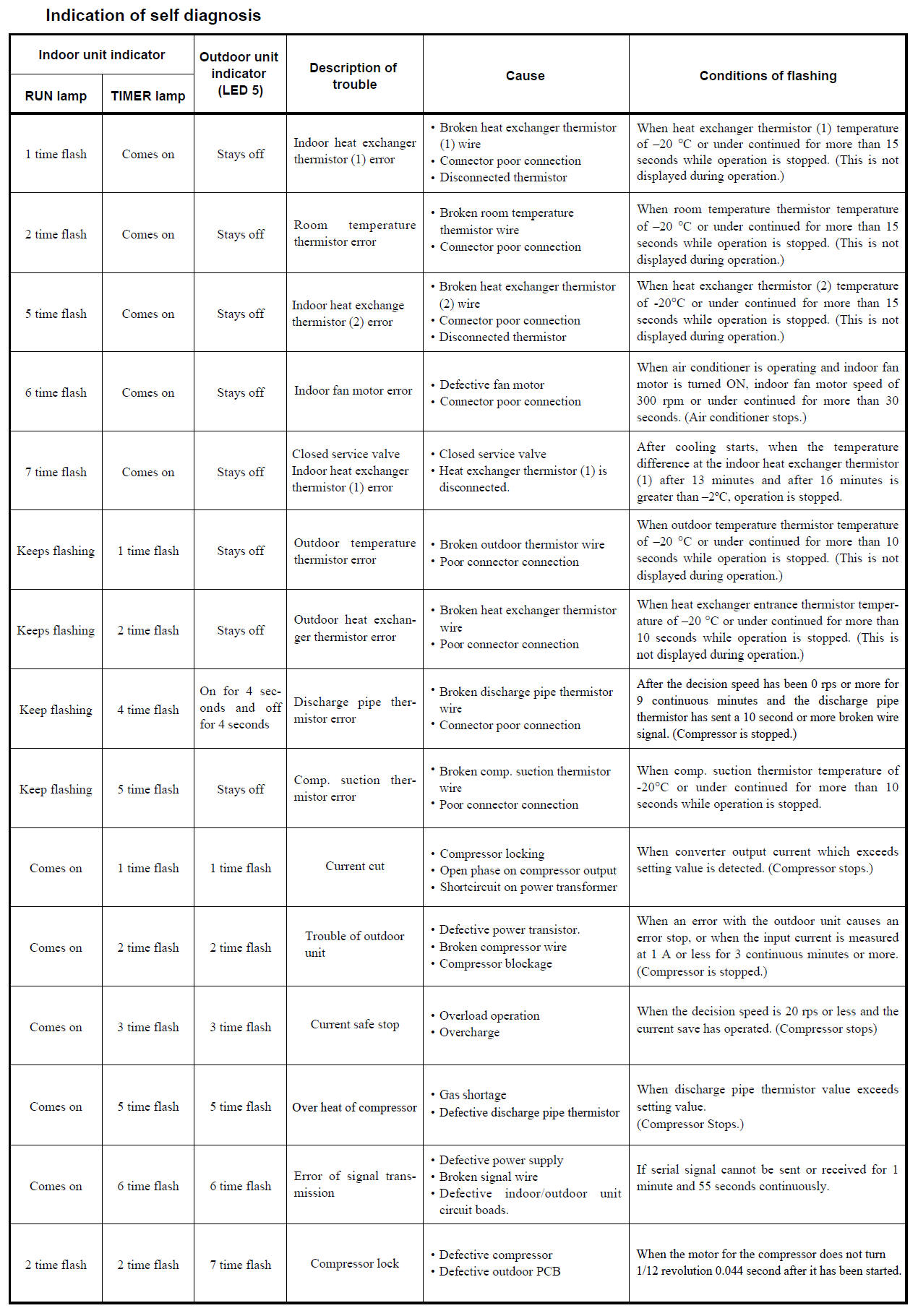
Common Mitsubishi Ac Error Codes
Mitsubishi air conditioners are known for their reliability. But sometimes, error codes appear, indicating specific issues. Understanding these codes can help in troubleshooting and maintaining your AC unit efficiently. Let’s explore some common Mitsubishi AC error codes.
Code E1: Communication Error
Code E1 signifies a communication error. It often occurs between indoor and outdoor units. This can happen due to faulty wiring or connectivity issues. Check the connections to resolve this error.
Code P8: High Pressure Problem
The P8 code indicates a high pressure issue. This could be due to a blocked air filter or refrigerant problem. Regular maintenance can prevent this error from occurring.
Code U4: Mode Conflict
Code U4 points to a mode conflict. It happens when different modes are set on various indoor units. Ensure all units are set to compatible modes.
Code E6: Sensor Fault
An E6 code represents a sensor fault. It usually involves temperature sensors malfunctioning. Inspect the sensors and replace if necessary.
Code L1: Overcurrent Alert
Code L1 signifies an overcurrent alert. This can be caused by electrical issues or overloads. Check the power supply and reduce load to fix this error.
Recognizing these codes can aid in quick problem-solving. Regular maintenance and checks can minimize occurrences. Keep your Mitsubishi AC running smoothly and efficiently.
Credit: www.orionair.co.uk
Understanding Error Code E1
Dealing with Mitsubishi AC error codes can be challenging. Error Code E1 often puzzles users. It’s crucial to know what triggers this error. Understanding it helps in resolving the issue quickly.
Causes Of E1
The E1 error code usually signals a communication problem. This often arises between the indoor and outdoor units. Faulty wiring or loose connections can cause it. Sometimes, power interruptions might lead to this error. Dirty filters may also be a reason. Regular maintenance can prevent these issues.
Solutions For E1
Start by checking the wiring connections. Ensure they’re tight and secure. Examine the filters and clean them if dirty. Resetting the AC system can sometimes clear the error. If the problem persists, consult a professional technician. Regular servicing keeps your AC running smoothly.
Troubleshooting Error Code E2
Encountering the Mitsubishi AC Error Code E2 can be frustrating, especially during a sweltering summer day when your air conditioner is your best friend. This code typically indicates a sensor issue, but don’t worry—it’s not as daunting as it seems. With a bit of troubleshooting, you can get your AC back on track. Let’s dive into the causes and solutions for this pesky error.
Causes Of E2
Understanding the cause of Error Code E2 can save you a lot of time and effort. This error generally arises from a malfunction in the temperature sensor.
- Faulty Sensor:The temperature sensor might be damaged or not functioning correctly.
- Connection Issues:Loose or broken wires can disrupt the sensor’s signal.
- Environmental Factors:Extreme temperatures or humidity can affect sensor readings.
Have you ever considered how environmental changes impact electronic devices? It’s a reminder to check your surroundings when troubleshooting.
Solutions For E2
Getting rid of Error Code E2 involves a few straightforward steps. You don’t need to be a tech expert to attempt these solutions.
- Inspect the Sensor:Check if the sensor is intact and securely connected. If it’s damaged, you may need a replacement.
- Examine Wiring:Look for any loose or frayed wires. Secure them or replace if necessary.
- Reset the AC:Sometimes, a simple reset can clear the error. Turn off the AC, wait a few minutes, and then turn it back on.
Have you tried resetting your AC before rushing to call a technician? This simple act can sometimes be the magic fix.
Remember, resolving E2 is not just about fixing the AC—it’s about understanding your device better. Next time your AC acts up, ask yourself: is there a simple solution right under your nose?

Credit: www.pinterest.com
Resolving Error Code E3
Error codes can be frustrating. Especially when they disrupt comfort at home. Mitsubishi AC units are reliable. Yet, they sometimes display error codes. One common issue is Error Code E3. This error can interrupt your cooling system. But understanding it helps in quick resolution.
Causes Of E3
Error Code E3 often relates to compressor issues. It might signify a problem with compressor overload. This overload can happen due to several reasons. High pressure in the system is one. Insufficient refrigerant levels might also trigger it. Faulty wiring can cause the compressor to malfunction too. Each of these issues needs attention.
Solutions For E3
Addressing Error Code E3 requires a few steps. First, check the refrigerant levels. Ensure they are within normal range. Next, inspect the wiring. Look for any loose or damaged connections. If wiring seems fine, monitor the compressor. Make sure it isn’t overheating. Sometimes cleaning the unit helps. Dust and debris can affect performance. If problems persist, contact a professional. Expert help ensures safe and efficient repairs.
Dealing With Error Code E4
Encountering an error code on your Mitsubishi AC can be frustrating. Error Code E4 is one of the more common issues. Understanding this error can help you address the problem effectively. Let’s dive into the causes and solutions for this specific code.
Causes Of E4
Error Code E4 often relates to temperature issues. It may indicate a problem with the air temperature sensor. This sensor is crucial for your AC’s efficiency. If it’s malfunctioning, the AC might not cool properly. Another cause could be a refrigerant leak. Low refrigerant levels can trigger this error, impacting cooling performance.
Solutions For E4
First, check the air temperature sensor. Make sure it’s clean and securely connected. Dust or loose connections can cause errors. If the sensor appears damaged, consider replacing it. Next, inspect the refrigerant levels. Low refrigerant might require professional servicing. A technician can check for leaks and recharge the system.
Regular maintenance helps prevent such errors. Clean filters and coils regularly. This ensures efficient operation and reduces error occurrences.
Preventing Common Errors
Mitsubishi AC error codes help identify issues to ensure smooth operation. Understanding these codes prevents common errors, saving time. Regular maintenance and quick error resolution enhance your AC’s performance and longevity.
Preventing common errors in your Mitsubishi AC can save you time, money, and a lot of hassle. Simple actions like regular check-ups and professional servicing can significantly extend the life of your unit. But how do you keep these pesky error codes at bay? Let’s delve into some practical tips and insights.Regular Maintenance Tips
Regular maintenance can be your first line of defense against error codes. Start by checking your AC filters. Dirty filters can block airflow and cause your unit to work harder, potentially triggering error codes. Make it a habit to clean or replace them every month during peak usage. Don’t forget to inspect the outdoor unit. Clear any debris or leaves that might obstruct the airflow. This simple task can prevent your AC from overworking and displaying error codes that signal overheating. Check the refrigerant levels periodically. Low refrigerant can lead to poor cooling performance and trigger error codes. If you notice a drop in cooling efficiency, it might be time to call a professional to check the refrigerant.Importance Of Professional Servicing
While DIY maintenance is essential, professional servicing offers an expert eye on potential issues. Professionals can spot problems that you might overlook, such as electrical issues or worn-out parts. My friend once ignored professional servicing, thinking he could handle it all. A few months later, his AC unit stopped working completely due to an undetected electrical fault. The repair cost was hefty, highlighting the importance of professional checks. Professional servicing also ensures that your AC is running efficiently. This not only prevents error codes but also reduces energy bills. When was the last time you booked a professional service for your AC? Don’t wait for an error code to disrupt your comfort. Regular maintenance and professional servicing can keep your Mitsubishi AC running smoothly. What steps will you take to prevent common errors today?When To Call A Professional
Encountering a Mitsubishi AC error code may signal the need for expert assistance. Persistent issues or unfamiliar codes require professional diagnosis to prevent further damage. Timely intervention can ensure optimal performance and prolong the system’s lifespan.
When dealing with a Mitsubishi AC error code, it can be tempting to try and fix the problem yourself. After all, who doesn’t love the satisfaction of solving a problem solo? But there are times when calling a professional is not just a good idea—it’s necessary. Understanding when to seek expert help can save you time, money, and the risk of further damage to your air conditioning unit.Signs Of Serious Problems
If your Mitsubishi AC unit is making strange noises or failing to cool effectively, it might be more than just a simple glitch. Unusual sounds, like grinding or hissing, can indicate mechanical issues or refrigerant leaks. Error codes that keep recurring despite your efforts to reset or troubleshoot might signal deeper problems. A persistent code could mean an electrical issue or a sensor malfunction that requires professional attention. Have you noticed an unexpected increase in your energy bills? This could be a sign that your AC is working harder than it should. Such inefficiency often points to underlying issues that only a trained technician can diagnose and fix.Benefits Of Expert Assistance
Calling a professional ensures the problem is identified and resolved correctly. Technicians have specialized tools and knowledge to handle complex issues that might be beyond a typical DIY repair. Peace of mind is invaluable. When you hire an expert, you can rest easy knowing your AC is in capable hands. This reduces the stress and hassle of dealing with a malfunctioning unit. Moreover, addressing problems early can prevent more significant, costly repairs in the future. A professional can spot and fix issues that you might overlook, ultimately saving you money and extending the lifespan of your AC unit. Have you ever tried fixing an appliance only to find you’ve made it worse? This common scenario highlights the importance of knowing when to step back and let a pro take the wheel. Your Mitsubishi AC deserves the best care, and sometimes that means making a call to the experts.
Credit: okmarts.com
Mitsubishi Ac Maintenance Checklist
Regular maintenance can extend your Mitsubishi AC’s lifespan. It also ensures optimal performance. Neglecting maintenance can lead to unexpected errors and increased energy bills. Following a simple checklist can prevent these issues. This guide will help you keep your Mitsubishi AC in top shape.
Inspect The Air Filters
Check the air filters monthly. Dust and debris accumulate quickly. Dirty filters reduce efficiency. They also strain the system, causing errors. Clean or replace filters regularly for smooth operation.
Examine The Outdoor Unit
Inspect the outdoor unit for blockages. Leaves and dirt can obstruct airflow. This leads to overheating and potential damage. Keep the area around the unit clear. Remove any debris immediately.
Check The Thermostat Settings
Ensure the thermostat settings match your comfort needs. Incorrect settings can cause the unit to work harder. This may lead to error codes. Set the thermostat to a reasonable temperature. This helps maintain efficiency.
Inspect Refrigerant Levels
Low refrigerant levels can cause cooling issues. They may also trigger error codes. Have a professional check and refill refrigerant as needed. This ensures efficient cooling and prevents compressor damage.
Listen For Unusual Noises
Pay attention to any strange noises. Grinding or squealing sounds indicate problems. These sounds may suggest loose parts or motor issues. Address these immediately to prevent further damage.
Schedule Professional Maintenance
Regular professional check-ups are essential. Technicians can spot potential issues early. They also conduct thorough cleaning and tuning. Schedule maintenance at least once a year. This keeps your Mitsubishi AC running smoothly.
Frequently Asked Questions
What Does Mitsubishi Ac Error Code E1 Mean?
Error code E1 indicates a communication issue. Check the connection between indoor and outdoor units.
How Do I Reset My Mitsubishi Ac?
To reset, turn off the AC. Wait five minutes. Then, turn it back on.
Why Is My Mitsubishi Ac Not Cooling?
Possible reasons include dirty filters, low refrigerant, or faulty thermostat. Check each to diagnose.
How Can I Fix Mitsubishi Ac Error Code P8?
Error code P8 is a compressor problem. Contact a professional for inspection and repair.
What Does Error Code E6 Indicate On Mitsubishi Ac?
Error code E6 means a sensor malfunction. Check the sensor connections or consult a technician.
Conclusion
Understanding Mitsubishi AC error codes helps you fix issues quickly. Regular maintenance keeps your air conditioner running smoothly. Consult the manual for specific troubleshooting tips. Check online forums for shared experiences and solutions. Consider professional help if problems persist. Timely repairs can save money and extend the unit’s life.
Keep your home comfortable with a well-functioning AC. Learning about error codes empowers you with necessary knowledge. Stay informed for a stress-free cooling experience. A little attention goes a long way in ensuring your AC’s efficiency. Enjoy cool, refreshing air year-round.