
Is your Bosch dishwasher leaking and causing a mess in your kitchen? You’re not alone, and the good news is that most leaks have simple fixes you can handle yourself.
Whether you notice water pooling around the base or dripping from the door, understanding why your dishwasher leaks is the first step to stopping it. You’ll discover the common reasons behind a Bosch dishwasher leak and easy ways to fix them.
Keep reading to protect your kitchen from water damage and get your dishwasher running smoothly again.
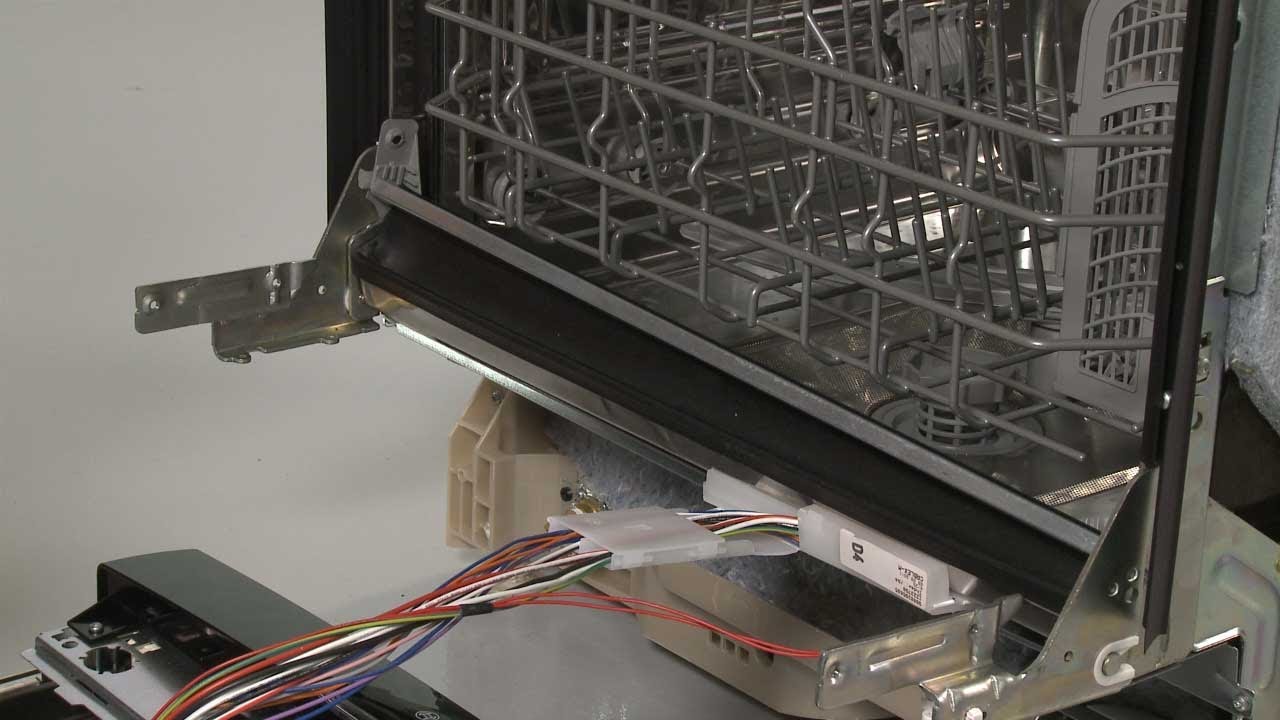
Credit: www.youtube.com
Blocked Vent Issues
Blocked vents in Bosch dishwashers can cause leaks by disrupting proper drainage. The vent allows air to escape during the wash cycle. When it gets blocked, water can back up and spill out. Understanding vent location and blockage causes helps fix leaks quickly and easily.
Vent Location On Bosch Dishwashers
The vent on most Bosch dishwashers is usually at the lower front or side area. Often, it sits near the bottom left corner inside the dishwasher door. This spot allows steam and excess water to escape during washing. Knowing the vent’s location helps spot blockages fast.
Items That Cause Vent Blockage
Common objects block the vent, like plates, cutting boards, or large utensils. These items may lean against the vent or cover it completely. Food debris and soap residue can also clog the vent over time. Avoid placing large flat items near the vent to prevent leaks.
Clearing The Vent For Proper Drainage
To clear a blocked vent, remove any dishes or utensils nearby. Check for trapped food or soap buildup inside the vent opening. Use a soft brush or cloth to clean it gently. Make sure the vent is fully open before starting a new cycle. This simple step stops leaks and improves dishwasher performance.

Door Gasket Problems
The door gasket is a key part of your Bosch dishwasher. It seals the door to keep water inside during cycles. Over time, this gasket can wear out or get damaged. This causes water to leak from the door area. Understanding gasket issues helps you spot leaks early and avoid bigger problems.
Door gasket problems often cause water to pool on your kitchen floor. The seal may crack, tear, or become loose. Dirt and debris can also build up, preventing a tight seal. Regular checks keep your dishwasher working well and leak-free.
Signs Of Worn Or Damaged Seals
Look for visible cracks or tears on the gasket. Water pooling near the dishwasher door is a common sign. You may also notice mold or mildew growing on the seal. The door might feel loose or not close properly. These signs mean the gasket needs attention or replacement soon.
Cleaning Debris From Door Seals
Turn off and unplug your dishwasher before cleaning. Use a soft cloth and warm soapy water to wipe the gasket. Remove any food particles, mold, or grime stuck in the seal. Avoid harsh chemicals that can damage the rubber. Clean the gasket regularly to keep it flexible and sealing well.
Replacing A Door Gasket Step-by-step
Start by unplugging the dishwasher and turning off water supply. Open the door and gently pull out the old gasket from the groove. Clean the groove area to remove dirt and residue. Align the new gasket and press it firmly into the groove. Check that it fits evenly along the entire door edge. Close the door to test the seal. Turn on the water and power to check for leaks.
Dish Loading Mistakes
Loading dishes incorrectly can cause leaks in Bosch dishwashers. Small mistakes during loading put pressure on seals and spray arms. Water escapes through weak points and pools outside the machine. Understanding dish loading errors helps prevent leaks and keeps your dishwasher running smoothly.
How Overloaded Racks Cause Leaks
Overfilling racks blocks water flow inside the dishwasher. Water pressure builds up and escapes through door seals. Plates or cups leaning against the door can stop it from closing tightly. Overloaded racks also stop spray arms from spinning freely. This causes water to spray in wrong directions and leak out.
Do not force extra dishes into the racks. Leave space between items for water and detergent to reach all surfaces. Too many dishes cause poor cleaning and increase leak risk.
Proper Dish Placement Tips
Place larger items on the bottom rack and smaller ones on top. Face plates and bowls inward, toward the spray arms. Avoid blocking detergent dispenser or door vents with tall items. Position cups and glasses upside down to prevent water pooling.
Ensure no dish touches the door when closing. Check that racks slide smoothly without bending or jamming. Proper placement reduces stress on seals and spray arms. This lowers chances of leaks and improves cleaning results.
Water Inlet Valve Leaks
A leaking water inlet valve can cause your Bosch dishwasher to flood your kitchen floor. This valve controls water flow into the machine. When it leaks, water may drip or spray inside or outside the dishwasher. Small leaks can worsen over time and cause damage.
Identifying the problem early helps avoid costly repairs. The water inlet valve is usually located at the bottom or back of the dishwasher. Leaks here often mean the valve is cracked or the seal has worn out. Checking this part should be one of the first steps when you notice water pooling near your dishwasher.
Identifying A Faulty Inlet Valve
Look for water pooling around the base of your dishwasher. Check the inlet valve for cracks or corrosion. Listen for unusual sounds when the dishwasher fills with water. A humming or buzzing noise can indicate a valve problem. You may also see water dripping from the valve connections or hoses. A faulty valve often causes inconsistent water filling or flooding during cycles.
Replacing The Water Inlet Valve
First, turn off the power and water supply to the dishwasher. Remove the lower access panel to reach the valve. Disconnect the water supply line and electrical connectors carefully. Take out the old valve and replace it with a new one that matches your Bosch model. Reattach the connections tightly to prevent leaks. Test the dishwasher to ensure the leak stops and the water fills correctly.
Checking Drain Hose And Filter
Checking the drain hose and filter is important when your Bosch dishwasher leaks. These parts handle water flow and can cause leaks if blocked or damaged. Regular checks keep your dishwasher running smoothly and avoid water spills on your floor.
Clearing Clogs In Drain Hose
Start by locating the drain hose behind the dishwasher. Detach it carefully to avoid water spills. Look inside the hose for any debris or buildup. Use a long flexible brush or a strong stream of water to clear blockages. Make sure the hose is not kinked or bent, which can stop water from draining properly. Reattach the hose securely to prevent leaks.
Cleaning Dishwasher Filter
The dishwasher filter catches food particles and prevents them from clogging the drain. Open the dishwasher door and remove the bottom rack to access the filter. Twist and lift out the filter carefully. Rinse it under running water to remove trapped debris. Use a soft brush to clean stubborn grime. Put the filter back in place firmly to ensure it seals well.
Preventing Future Leaks
Preventing future leaks in your Bosch dishwasher starts with simple habits. Small actions help keep your dishwasher running smoothly. Avoid costly repairs and water damage by following easy steps. Consistent care extends your appliance’s life and keeps your kitchen dry.
Regular Maintenance Routines
Clean the dishwasher filter monthly. Clogged filters cause water to back up and leak. Wipe the door gasket with a damp cloth. Dirt and debris can damage the seal over time. Check spray arms for blockages. Blocked spray arms affect water flow and pressure. Run an empty cycle with dishwasher cleaner. This removes buildup inside the machine. Inspect hoses for cracks or wear every few months. Replace any damaged hoses immediately. Tighten loose connections to prevent leaks.
Avoiding Common Loading Errors
Place dishes properly to avoid blocking the detergent dispenser. Overloaded racks stop detergent from releasing fully. Keep large items away from the door seal. Items that press against the door can cause leaks. Avoid covering vents with plates or cutting boards. Blocked vents cause water to spray outside. Use the correct amount of detergent. Too much soap can create excess suds and leaks. Follow the manufacturer’s loading guidelines carefully to prevent problems.
When To Replace Your Dishwasher
Deciding when to replace your Bosch dishwasher is important, especially if it leaks. A leaking dishwasher can cause water damage and increase your water bill. Knowing the right time to replace it can save money and stress.
Assessing Repair Vs. Replacement
Check the cost of repair compared to a new dishwasher. Minor leaks might be fixed cheaply. But major leaks or repeated repairs may not be worth it. If repair costs exceed half the price of a new dishwasher, replacement is a better choice. Also, consider how often it breaks down. Frequent problems suggest replacement.
Average Bosch Dishwasher Lifespan
Most Bosch dishwashers last between 9 to 12 years. Proper maintenance can extend this life. If your dishwasher is older than 10 years and leaking, replacing it is wise. New models use less water and energy. This can reduce bills and protect the environment.

Credit: www.youtube.com
Frequently Asked Questions
What Is The Most Common Problem With A Bosch Dishwasher?
The most common Bosch dishwasher problem is leaking, often caused by a blocked vent, worn door gasket, or overloaded dishes pushing the door. Cleaning the vent and gasket or replacing a damaged seal usually resolves the issue.
Is It Worth Fixing A Leaking Dishwasher?
Fixing a leaking dishwasher is worth it if the repair cost is less than replacement. Check door seals, vents, and valves first.
What Is The Average Life Expectancy Of A Bosch Dishwasher?
The average life expectancy of a Bosch dishwasher is about 10 to 15 years with proper maintenance. Regular cleaning extends its lifespan.
Which Bosch Dishwashers Are Being Recalled?
Bosch recalls affect select 100, 300, 500, and 800 Series dishwashers made between 2018 and 2023. Check Bosch’s website for specific models and serial numbers.
Why Is My Bosch Dishwasher Leaking Water From The Bottom?
A leak at the bottom usually means a damaged door seal or a loose drain hose. Check the seal for cracks and tighten hose connections to fix it.
Conclusion
A leaking Bosch dishwasher needs quick attention to avoid damage. Check the door seal, vents, and water inlet valve first. Clear any blockages and avoid overloading the dishwasher. Regular maintenance helps keep leaks away and your dishwasher working well. Small fixes often save money and extend the appliance’s life.
Stay alert to signs of leaks to protect your kitchen floor. Proper care ensures your Bosch dishwasher runs smoothly for years.