
Is your Delta shower acting up, dripping when it shouldn’t, or giving you trouble with water temperature? You’re not alone.
Many homeowners face frustrating issues with their Delta shower cartridges, but the good news is that most problems are fixable with a little know-how. In this guide, you’ll discover simple, step-by-step troubleshooting tips that can save you time and money.
Whether your shower handle feels stiff, your water temperature is inconsistent, or you notice leaks, understanding how to diagnose and fix these common issues will put you back in control of your shower experience. Keep reading to learn how to get your Delta shower working smoothly again—no plumber needed.

Credit: www.youtube.com
Common Delta Cartridge Issues
Delta shower cartridges are reliable but may face issues over time. Common problems often affect water flow and temperature control. Recognizing these issues early helps in fixing them quickly. This section covers the most frequent Delta cartridge problems and their signs.
Leaking And Dripping Spout
Water dripping from the spout after turning off the faucet is a common sign. It usually means the cartridge is worn out or damaged. Mineral buildup can also cause leaks by preventing proper sealing. Replacing or cleaning the cartridge often stops the dripping.
Inconsistent Water Temperature
Sudden changes in water temperature indicate a cartridge issue. The mixing valve inside may fail to balance hot and cold water correctly. Sediment or debris can block water flow, causing temperature swings. Cleaning or replacing the cartridge restores steady temperature control.
Stiff Or Loose Handle
A handle that is hard to turn or feels loose suggests cartridge problems. Mineral deposits can make the handle stiff by restricting movement. A worn cartridge may cause the handle to wobble or slip. Lubricating or changing the cartridge usually fixes the handle.
No Hot Or Cold Water
When only hot or cold water flows, the cartridge may be clogged or broken. Blockages stop water from mixing properly. Sometimes, the cartridge’s internal parts fail, cutting off one water supply. Replacing the cartridge brings back full hot and cold water flow.
Unusual Noises During Use
Strange sounds like squeaking or knocking from the shower valve point to cartridge trouble. These noises happen when water flow is restricted or parts inside the cartridge move incorrectly. Cleaning the cartridge or replacing worn parts can eliminate the noise.
Tools And Materials Needed
Before starting Delta shower cartridge troubleshooting, gather the right tools and materials. Having everything ready makes the process smoother. It helps avoid delays and frustration. Proper tools protect the shower parts and ensure a good repair. This section lists essential tools, replacement parts, and cleaning supplies.
Essential Tools
- Screwdriver set for removing handles and trim plates
- Adjustable wrench to loosen nuts
- Pliers for gripping and turning parts
- Allen wrench for cartridge screws
- Utility knife to cut sealants or caulk
- Flashlight for better visibility inside the valve
- Towel or cloth to catch water drips
Replacement Parts
- Delta shower cartridge matching your model number
- O-rings and gaskets that fit the cartridge
- Retaining clip if the old one is damaged
- Handle screws or trim screws if worn out
Cleaning Supplies
- White vinegar to dissolve mineral buildup
- Soft brush or old toothbrush for scrubbing
- Clean cloths to wipe parts dry
- Plumber’s grease to lubricate O-rings
- Bucket or container to soak the cartridge if needed
Preparing For Cartridge Troubleshooting
Preparing to troubleshoot a Delta shower cartridge requires some basic steps. These steps help ensure safety and make the process smoother. Taking time to prepare prevents damage and water mess. Follow these simple steps before you start working on the cartridge.
Shutting Off Water Supply
Turn off the main water supply to your home. This stops water flow to the shower. If your home has a local shutoff valve near the shower, use it. Make sure no water comes out when you open the shower handle. This step protects your bathroom from flooding.
Removing Shower Handle And Trim
Use a screwdriver to remove the shower handle screws. Carefully pull off the handle to expose the cartridge area. Next, remove the trim plate that covers the valve. Keep all screws and parts safe for reassembly. This step gives you clear access to the cartridge.
Relieving Water Pressure
After shutting off water, open the shower handle to release pressure. Wait until no water comes out of the showerhead. This step prevents water from spraying when you remove the cartridge. It also makes cartridge removal easier and safer.
Credit: support.deltafaucet.com
Removing A Stuck Cartridge
Removing a stuck Delta shower cartridge can be challenging. Over time, mineral buildup and corrosion cause the cartridge to seize inside the valve. Applying the right techniques helps avoid damage to your plumbing. This guide breaks down the steps to free and remove the cartridge safely and effectively.
Using Penetrating Oil
Start by spraying penetrating oil around the cartridge base. Let it soak for 10 to 15 minutes. The oil works to loosen rust and corrosion. Avoid rushing this step. Patience improves the chances of easy removal. Use a cloth to wipe away excess oil before proceeding.
Breaking Down Mineral Deposits
Mineral deposits often hold the cartridge tight. Use white vinegar to dissolve these deposits. Soak a cloth in vinegar and wrap it around the cartridge. Leave it for at least 30 minutes. For stubborn buildup, repeat the process. This softens the minerals and frees the cartridge.
Proper Cartridge Extraction
Once loosened, grip the cartridge firmly using pliers or a cartridge puller. Pull straight out with steady pressure. Avoid twisting, which can damage the valve. If the cartridge resists, apply more penetrating oil and wait. Take your time to prevent breaking the cartridge inside the valve body.
Fixing Leaks And Drips
Fixing leaks and drips in your Delta shower cartridge is essential for saving water and preventing damage. These issues often stem from worn parts inside the cartridge. Repairing them can restore your shower’s performance and stop annoying leaks.
Start by examining the cartridge closely. Small seals and internal parts often cause leaks. Replacing these parts usually solves the problem without needing a full cartridge swap. Careful inspection and gentle handling make the repair easier.
Replacing Cartridge Seals
Seals inside the cartridge wear out over time. These rubber or silicone rings stop water from escaping. Remove the old seals carefully using a small tool or your fingers.
Clean the area before placing new seals. Use seals made for your specific Delta model. Fit them snugly to avoid leaks. Lubricate seals lightly with plumber’s grease to ease installation and extend life.
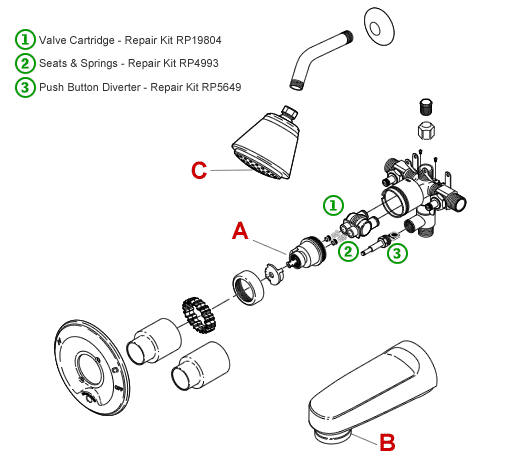
Inspecting Seats And Springs
The seats and springs inside the cartridge control water flow. Dirt or damage here can cause drips. Check the seats for cracks or buildup. Springs should be firm and return to their place quickly.
Clean seats gently with a soft brush. Replace damaged seats or springs with parts from Delta. Proper functioning of these parts ensures smooth valve operation and stops leaks.
Reassembling Valve Components
After replacing seals and inspecting parts, reassemble the valve carefully. Align all components exactly as before. Tighten screws and nuts firmly but do not overtighten.
Test the valve by turning the water on slowly. Watch for leaks or drips. If needed, adjust components or check seals again. Correct reassembly restores your shower’s full function.

Credit: terrylove.com
Adjusting Water Temperature
Adjusting the water temperature on a Delta shower cartridge can solve many common issues. Proper temperature control ensures a comfortable shower experience. Understanding how to adjust this setting helps avoid scalding or cold water. The process requires locating the right components and making small changes. Follow these simple steps to adjust your shower temperature accurately.
Locating The Temperature Limiting Ring
The temperature limiting ring controls the maximum hot water flow. It is inside the cartridge, near the handle. Remove the shower handle carefully to access it. The ring is usually a plastic or metal piece. It stops the handle from turning too far toward hot water. Find the ring and prepare to adjust its position.
Increasing Hot Water Flow
To increase hot water, gently move the temperature limiting ring. Slide it away from the stop position. This adjustment allows more hot water to mix in. Make small changes and test the water temperature. Avoid moving the ring too far to prevent scalding. This simple tweak can improve your shower’s warmth quickly.
Testing Temperature Settings
After adjusting the ring, turn on the shower. Let the water run for a few seconds. Check if the water feels warmer or cooler. Adjust the ring again if needed. Repeat testing until you reach a comfortable temperature. Always test before finishing the job to ensure safety. This step guarantees your shower temperature stays just right.
Resetting And Calibrating Cartridge
Resetting and calibrating your Delta shower cartridge can fix many common problems. These include uneven water temperature and low water pressure. This process helps restore smooth operation and extends cartridge life. Follow simple steps to reset and calibrate your cartridge properly.
When To Reset
Reset the cartridge if water temperature is uneven or too hot. If the shower handle feels stiff or loose, try a reset. Strange noises during water flow also signal a reset need. Resetting helps when water flow is inconsistent.
Step-by-step Reset Process
Turn off the water supply to the shower. Remove the handle and trim plate carefully. Use a wrench to unscrew and pull out the cartridge. Soak the cartridge in vinegar for 30 minutes to remove deposits. Rinse it with clean water and dry completely. Reinstall the cartridge and tighten it firmly. Replace the trim plate and handle. Turn the water back on and test the shower.
Calibrating For Optimal Performance
To calibrate, adjust the temperature limit stop. Remove the temperature limit stop screw on the cartridge. Slide the stop to increase or decrease hot water flow. Tighten the screw to secure the new setting. Test the water temperature and adjust if needed. Proper calibration prevents scalding and improves comfort. Regular calibration keeps your shower working at its best.
Preventing Future Issues
Preventing future issues with your Delta shower cartridge saves time and money. Taking simple steps helps keep the cartridge working smoothly. Regular care stops common problems before they start. A little attention goes a long way in avoiding leaks, temperature problems, and stiffness. Below are key tips to maintain your shower cartridge effectively.
Regular Cleaning Tips
Clean the cartridge area every few months. Use a soft cloth and mild soap. Avoid harsh chemicals that can damage parts. Remove mineral build-up by soaking the cartridge in vinegar. Rinse well with water after cleaning. Dry the parts completely before reassembling. This keeps the cartridge free from debris and buildup.
Avoiding Hard Water Damage
Hard water can clog and corrode the cartridge. Install a water softener to reduce minerals. Use filtered water for your shower if possible. Wipe the showerhead and valve dry after each use. Prevent scale from forming on the cartridge. These steps protect the cartridge’s internal parts and extend its life.
Routine Maintenance Schedule
Check the cartridge every six months. Inspect for leaks, stiffness, or temperature issues. Replace worn parts immediately. Lubricate the cartridge seals with plumber’s grease yearly. Keep an eye on water pressure to avoid strain. Routine care helps catch small problems early and keeps the shower working well.
When To Replace The Cartridge
Knowing when to replace your Delta shower cartridge can save water and prevent bigger problems. The cartridge controls water flow and temperature. Over time, it can wear out or get clogged. Replacing it at the right time keeps your shower working smoothly.
Signs Of Cartridge Failure
Look for water leaks from the showerhead even when off. Water temperature changes suddenly or does not stay steady. The handle feels stiff, loose, or hard to turn. Strange noises come from the shower when water flows. No hot or cold water might flow at all. These signs often mean the cartridge needs replacing.
Choosing The Right Replacement
Pick a cartridge that matches your Delta shower model. Check the model number on the old cartridge or the shower manual. Using the wrong cartridge can cause leaks or poor water control. Buy parts from trusted stores or official Delta dealers. This ensures the cartridge fits and lasts longer.
Professional Help Vs Diy
Replacing a cartridge can be simple but needs care. Turn off water before starting to avoid flooding. If you have basic tools and skills, you can try it yourself. Follow clear instructions or watch step-by-step videos. Call a plumber if you find it hard or the problem continues. Professionals save time and prevent damage.
Frequently Asked Questions
How To Know If A Delta Shower Cartridge Is Bad?
Signs of a bad Delta shower cartridge include leaking or dripping water, inconsistent temperature, stiff or loose handle, no hot or cold water, and strange noises during use.
Can I Replace A Shower Cartridge Without Shutting The Water Off?
No, always shut off the water supply before replacing a shower cartridge. This prevents leaks and water damage.
How Do I Reset A Shower Cartridge?
To reset a shower cartridge, turn off the water supply and remove the handle. Adjust the temperature limit ring counter-clockwise to increase hot water. Reassemble the cartridge, ensuring the “H” marks hot water on the left. Turn water back on and test for proper function.
Why Does My Shower Head Run At The Same Time As The Faucet?
Your shower head runs with the faucet due to a faulty or worn-out shower cartridge. Replacing the cartridge stops water flow overlap.
How Do I Know If My Delta Shower Cartridge Is Bad?
A bad cartridge often causes leaks, drips, or inconsistent water temperature. Handles may become stiff or loose. Strange noises during use also signal cartridge problems.
Conclusion
Delta shower cartridge issues often show clear signs like leaks or temperature problems. Fixing these problems usually involves simple steps anyone can follow. Remember to turn off the water before starting any repair. Cleaning or replacing the cartridge can restore your shower’s performance.
Regular maintenance helps avoid future troubles and saves time. Keep these tips handy for quick troubleshooting. A well-functioning shower improves daily comfort and adds value to your home. Don’t hesitate to act early when you notice a problem.