
Is your dishwasher running but not filling with water? This common problem can stop your dishwasher from cleaning your dishes properly, leaving you frustrated and wondering what’s wrong.
You might hear the machine humming or see it cycling, yet no water appears inside. If you’re facing this issue, you’re not alone—and the good news is that you can often fix it yourself. You’ll learn the main reasons why your dishwasher isn’t filling with water and simple steps to troubleshoot the problem.
Keep reading to find out how to get your dishwasher working smoothly again without needing an expensive repair.
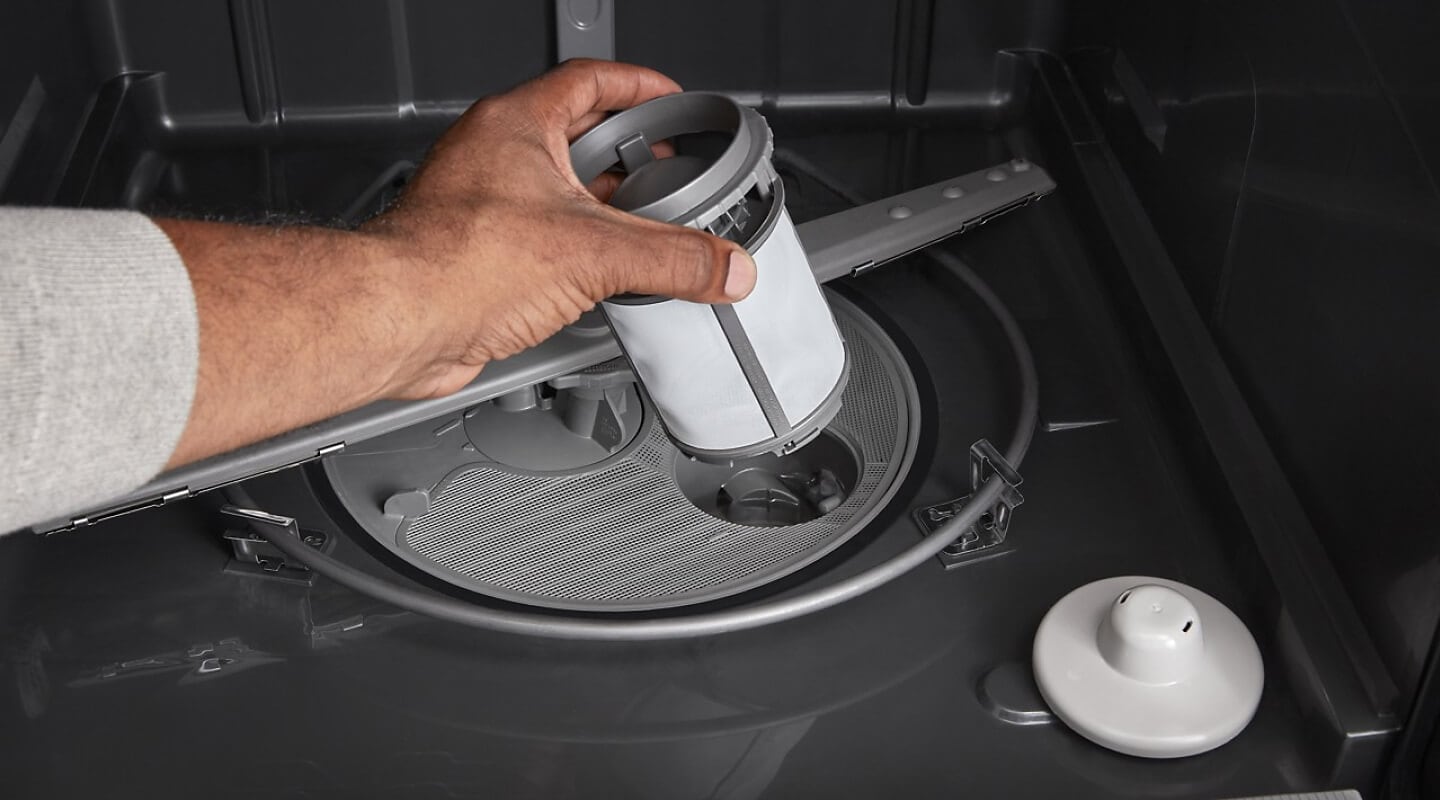
Credit: www.whirlpool.com
Common Causes
Several common issues cause a dishwasher not to fill with water. These problems often relate to water flow controls or safety features. Identifying the exact cause helps fix the problem faster.
Check these key areas first to understand why your dishwasher stays dry during cycles.
Closed Water Supply Valve
The water supply valve controls water flow to your dishwasher. It is usually under the kitchen sink or near the appliance. A valve that is fully or partially closed stops water from entering. Sometimes, the valve is accidentally turned off during plumbing work or maintenance. Make sure the valve handle is open all the way. This simple check often restores water flow.
Stuck Float Switch
The float switch prevents the dishwasher from overfilling. It sits inside the tub, near the bottom corner. The float is a small plastic dome or cylinder that rises with water level. If debris or a utensil traps the float in the raised position, the dishwasher thinks it is full. This stops water from entering. Clear any objects around the float to ensure it moves freely.
Faulty Door Latch
The dishwasher door must be securely closed and latched for water to fill. A broken or misaligned latch can stop the cycle early. This safety feature prevents leaks. Check the latch for damage or loose parts. Replace or adjust the latch if it does not hold the door tightly.
Clogged Water Inlet Valve
The water inlet valve opens to let water into the dishwasher. It can get clogged by dirt, debris, or mineral buildup. A clogged valve restricts water flow or stops it completely. The valve is usually under the sink, connected to the water line. Cleaning or replacing the valve often solves the problem. Watch for slow filling or no water as signs of clogging.
Checking The Water Supply
Checking the water supply is the first step to fix a dishwasher not filling with water. It ensures water can flow into the dishwasher properly. Without enough water, the dishwasher cannot clean dishes well.
Start by verifying the water supply valve is open and working. This valve controls water flow to the dishwasher. If it is closed or partially closed, water will not reach the appliance.
Locating The Valve Under The Sink
The water supply valve is usually under the kitchen sink. It is often attached to the hot water pipe. Look for a small handle or knob near the back wall.
Sometimes the valve can be hidden behind other pipes or storage items. Clear the area carefully to get a good view. Knowing its exact location helps in checking or adjusting it.
Ensuring Valve Is Fully Open
Check the valve handle to see if it is open all the way. The handle should be parallel to the pipe when open. If it is turned sideways or at an angle, it may be closed or partly closed.
Turn the handle slowly to open it fully. Be careful not to force it and cause damage. After opening, test the dishwasher to see if water fills correctly.
Inspecting The Float Switch
Inspecting the float switch is a key step when your dishwasher does not fill with water. The float switch controls the water level inside the tub. It stops water from overfilling by signaling the valve to shut off. Dirt, debris, or a stuck float can cause the dishwasher not to fill properly.
Checking the float switch can save you from costly repairs. This part is easy to find and clean. A quick inspection can tell you if the float is stuck or damaged. Here is how you inspect the float switch carefully.
Finding The Float Inside The Tub
Open the dishwasher door and look at the bottom front corner inside the tub. You will see a small plastic dome or cylinder. This is the float. It moves up and down with the water level. The float is usually easy to spot and reach.
Freeing A Stuck Float
Sometimes the float gets stuck in the “up” position. This may happen due to food crumbs or a misplaced utensil. Gently lift the float and let it drop back down. Make sure it moves freely without resistance. Clean around the float to remove any debris blocking its path.

Credit: www.youtube.com
Examining The Door Latch
Examining the door latch is a key step when a dishwasher does not fill with water. The door latch ensures the dishwasher is properly closed and sealed. If the latch fails, the dishwasher may not start filling with water. This can prevent the machine from running a full cycle and cleaning dishes effectively.
Checking the latch helps identify if it is causing the water filling issue. A faulty or loose latch might stop the dishwasher from recognizing the door is closed. This section explains why a secure door closure matters and how to test the latch mechanism yourself.
Importance Of A Secure Door Closure
The dishwasher will not fill unless the door is tightly closed. The door latch keeps the door sealed during the wash cycle. This prevents water from leaking out of the machine. Without a secure latch, the dishwasher may not activate the water valve.
The latch also signals the control board that the door is closed. If the latch switch does not engage, the dishwasher thinks the door is open. This safety feature stops water flow and motor operation. Ensuring the latch is secure is essential for dishwasher function and safety.
Testing The Latch Mechanism
Start by closing the dishwasher door firmly. Listen for a click sound from the latch. If you don’t hear a click, the latch may be broken or misaligned.
Inspect the latch for visible damage or wear. Check if the latch moves smoothly when the door closes. A stiff or loose latch could cause the door not to seal properly.
Use a multimeter to test the latch switch for continuity. This confirms if the switch is working electrically. If the switch fails the test, replacing the latch assembly is necessary.
Testing the door latch regularly helps avoid dishwasher filling problems. It saves time and ensures the dishwasher operates safely and efficiently.
Cleaning The Water Inlet Valve
Cleaning the water inlet valve is a key step in fixing a dishwasher that does not fill with water. The valve controls water flow into the dishwasher. Dirt, debris, or mineral buildup can block the valve, preventing water from entering the machine. Regular cleaning can restore proper function and prevent future problems.
To clean the water inlet valve, first access it by removing the panel behind the dishwasher. Then, inspect and clean the mesh screen that filters water before it enters the valve. If the valve is damaged, replacing it ensures the dishwasher fills with water correctly.
Accessing The Valve Behind The Panel
Unplug the dishwasher from power to stay safe. Locate the access panel at the bottom front or rear of the dishwasher. Use a screwdriver to remove the screws holding the panel in place. Carefully pull the panel away to reveal the water inlet valve and connected hoses.
Look for a small valve attached to a water line. This valve is usually near the bottom of the dishwasher. Keep track of all screws and parts removed to make reassembly easier.
Removing And Cleaning The Mesh Screen
Turn off the water supply before disconnecting the valve. The water inlet valve has a tiny mesh screen inside it. This screen traps dirt and debris to protect the valve. Remove the valve from the water line carefully. Use a soft brush or cloth to clean the mesh screen.
Rinse the screen under running water to remove buildup. Avoid using sharp tools that could damage the mesh. Let the screen dry before reassembling the valve. Cleaning this screen improves water flow and dishwasher performance.
Replacing A Damaged Valve
Signs of a damaged valve include leaks or no water flow after cleaning the mesh screen. Purchase a replacement valve that matches your dishwasher model. Turn off power and water before removing the old valve. Disconnect wires and hoses from the valve.
Install the new valve by connecting hoses and wires securely. Reattach the valve to the dishwasher frame. Replace the access panel and restore power and water supply. Test the dishwasher to ensure it fills properly with water.
Testing Electrical Components
Testing electrical components is essential when a dishwasher does not fill with water. These parts control the water flow and ensure the dishwasher works properly. Faulty electrical parts can stop water from entering the machine. Testing these components helps find the root cause of the problem.
Start with simple checks to avoid unnecessary repairs. Use a multimeter to test for continuity and power flow. Look for damaged wires or loose connections. Safety is important; always disconnect the dishwasher from power before testing.
Checking The Door Switch
The door switch signals the dishwasher to start filling with water. If it does not detect the door is closed, the dishwasher will not fill. Test the door switch with a multimeter for continuity. Press the switch and check if the meter shows a closed circuit. Replace the switch if it does not work properly.
Inspecting Float Switch Wiring
The float switch stops water from overflowing. It rises with the water level and tells the dishwasher to stop filling. Check the wiring connected to the float switch for damage or loose connections. Use a multimeter to test the float switch itself. Clean any debris around the float that may cause it to stick.
Assessing The Control Board
The control board manages all dishwasher functions, including water filling. Inspect the board for burnt spots or damaged components. Test the output terminals for voltage during the fill cycle. Faulty control boards may fail to send signals to the water inlet valve. Replace the board if tests show it is not working correctly.
When To Call A Professional
Knowing the right moment to call a professional saves time and prevents damage. Some dishwasher problems need expert tools and skills. Attempting repairs without proper knowledge can cause electrical shocks or water leaks. Professionals have training to handle tricky issues safely and efficiently.
Handling Electrical And Plumbing Risks
Dishwashers connect to electricity and water lines. Faulty repairs can cause shocks or floods. Professionals use special equipment to avoid dangers. They check wiring and water connections carefully. This prevents accidents and keeps your home safe.
Finding Authorized Service Support
Authorized technicians know your dishwasher brand well. They use original parts for repairs. This ensures your dishwasher works like new. Many brands offer certified service centers nearby. Choosing authorized service protects your warranty and guarantees quality work.

Credit: www.reddit.com
Frequently Asked Questions
How Do You Fix A Dishwasher That Won’t Fill With Water?
Check the water supply valve is fully open. Ensure the float switch moves freely without debris. Confirm the door latch closes securely. Inspect and clean or replace the water inlet valve if clogged or faulty. Turn off power and water before any repairs.
Why Is My Dishwasher Making A Sound But No Water?
Your dishwasher may sound but not fill with water due to a closed water valve, stuck float switch, faulty door latch, or clogged inlet valve. Check these parts to ensure water flows properly and the cycle starts correctly.
Why Does My Dishwasher Run But No Water Comes In?
A dishwasher runs but has no water if the water supply valve is closed, the float switch is stuck, the door latch is faulty, or the inlet valve is clogged. Check these parts to fix the issue.
How Do I Know If My Dishwasher Inlet Valve Is Clogged?
Signs of a clogged dishwasher inlet valve include slow water flow, dishwasher leaking when off, and dishes remaining dirty. Check the valve’s mesh screen for debris and clean or replace it if necessary. Ensure the water supply valve is fully open and the float moves freely.
Why Is My Dishwasher Not Filling With Water?
A closed water supply valve or a stuck float switch often causes this. Check these parts first to ensure water can enter the dishwasher. Also, inspect the water inlet valve for clogs or damage.
Conclusion
A dishwasher not filling with water can cause frustration and poor cleaning. Check the water supply valve first to ensure it is open. Inspect the float switch inside the dishwasher for any stuck debris. Confirm the door latch closes firmly to allow water flow.
A clogged water inlet valve may need cleaning or replacement. Simple steps often solve the problem without costly repairs. Regular maintenance helps keep your dishwasher working well. Troubleshooting early saves time and money in the long run. Stay patient and follow these tips for a smoothly running dishwasher.