
Have you ever glanced at your dashboard only to find your instrument cluster acting up—flickering lights, stuck needles, or even a blank screen? If so, you know how frustrating and unsettling it can be.
Your instrument cluster is your car’s control center, giving you vital information like speed, fuel levels, and engine warnings. When it malfunctions, it not only disrupts your driving experience but can also put your safety at risk. You’ll discover the common signs of instrument cluster problems, why they happen, and what you can do to fix them before they turn into costly repairs.
Keep reading to take control of your dashboard and drive with confidence again.
Common Symptoms
The instrument cluster is the dashboard area showing your speed, fuel, and warnings. Problems here can confuse drivers and cause safety issues. Knowing common symptoms helps you spot trouble early. These issues often affect visibility and the accuracy of your gauges.
Flickering Backlights
Backlights illuminate the gauges and display. Flickering lights make it hard to read information at night. This issue may result from loose wiring or a failing bulb. It can distract drivers and reduce driving safety.
Blank Or Pixelated Screens
Some clusters use digital screens to show data. Blank or pixelated screens mean the display is not working properly. This may happen due to software glitches or hardware failure. It leaves drivers without important information like speed or fuel levels.
Stuck Or Erratic Gauges
Gauges should move smoothly to reflect real-time data. Stuck needles or erratic movements confuse drivers. The fuel gauge may show empty when the tank is full. Speedometers may jump randomly, causing mistrust in the readings.
Missing Warning Icons
Warning icons alert you to issues like low oil or engine problems. Missing icons mean you may not get crucial alerts. This can lead to ignoring serious car problems. The cause can be a faulty cluster or connection issues.
Top Causes
The instrument cluster is the dashboard section showing speed, fuel, and engine info. Problems here can confuse drivers and hide vital warnings. Understanding the top causes helps diagnose and fix issues faster.
Common problems range from simple electrical faults to complex software errors. Each cause affects the cluster’s function differently. Knowing these can guide proper repairs and maintenance.
Blown Fuses
Fuses protect the instrument cluster from power surges. A blown fuse cuts power, causing the cluster to go dark. This is often due to electrical faults or short circuits. Checking and replacing fuses is a quick fix for no display or dead gauges.
Wiring Issues
Wiring connects the cluster to the car’s systems. Loose or damaged wires cause signal loss or erratic readings. Corrosion and wear also break connections. Inspecting wiring harnesses and connectors can reveal these hidden faults.
Failed Internal Components
Inside the cluster, tiny parts control the display and gauges. Stepper motors, bulbs, and circuit boards can fail over time. This causes flickering lights, stuck needles, or blank screens. Repair or replacement of these parts restores normal function.
Software Glitches
Modern clusters rely on software for accurate data. Bugs or corrupted files cause wrong readings or freezing. Reprogramming or updating the software often fixes these glitches. This keeps the cluster running smoothly and reliably.
Diagnostic Steps
Diagnosing instrument cluster problems requires a clear and structured approach. The cluster displays vital information such as speed, fuel level, and engine warnings. Faults can confuse drivers or cause unsafe driving conditions. Identifying the root cause helps prevent further damage and ensures accurate readings.
Follow these diagnostic steps to check the instrument cluster. Each step narrows down potential issues. This method saves time and avoids unnecessary repairs.
Check Power And Fuses
Start by checking the power supply to the instrument cluster. Use a multimeter to verify voltage at the cluster’s connector. Inspect all related fuses in the fuse box. A blown fuse often causes the cluster to lose power or function partially. Replace any faulty fuses and retest the cluster.
Inspect Wiring Connections
Examine all wiring harnesses connected to the cluster. Look for loose, corroded, or damaged wires. Poor connections can cause flickering lights or erratic gauge behavior. Secure all plugs and clean any corrosion found. Repair or replace damaged wires to restore proper communication.
Scan For Error Codes
Use an OBD-II scanner to read error codes from the vehicle’s computer. Codes related to the instrument cluster or sensors may appear. These codes guide the repair process by pinpointing specific faults. Clear codes after repairs and check if they return during operation.
Test Cluster Components
Test individual parts inside the instrument cluster. Check bulbs, LEDs, and stepper motors for functionality. Faulty components can cause gauges to stick or displays to dim. Replace defective parts carefully to restore full cluster operation. Some repairs may require professional tools or expertise.

Easy Fixes
Instrument cluster problems can disrupt your driving experience. Many issues have simple solutions that you can try at home. These easy fixes often restore full function without costly repairs. Below are four common methods to fix your instrument cluster quickly.
Replacing Fuses
Check your vehicle’s fuse box for any blown fuses. A blown fuse can cause the cluster to lose power. Replace the faulty fuse with one of the same rating. This simple step often restores the cluster’s functionality immediately.
Repairing Wiring
Loose or damaged wiring can cause erratic cluster behavior. Inspect the wiring harness connected to the cluster for wear or disconnections. Secure any loose wires and replace damaged sections. Proper wiring ensures stable communication between the cluster and the vehicle.
Resetting The Cluster
Resetting the instrument cluster can clear minor errors. Disconnect the car battery for about 15 minutes. Reconnect the battery and start the vehicle. This reset often clears glitches and restores normal operation of the gauges and lights.
Updating Software
Modern instrument clusters rely on software to function. Check if your car manufacturer offers software updates for your cluster. Updating the software can fix bugs and improve performance. Visit a dealership or use an OBD-II tool to perform the update safely.
Advanced Repairs
Advanced repairs address complex issues within the instrument cluster. These fixes restore full functionality and accuracy. Skilled technicians use precise techniques and quality parts. Many common problems require detailed work beyond simple replacements. Here are key advanced repair methods often used to solve instrument cluster problems.
Stepper Motor Replacement
Stepper motors control the movement of needles on the gauges. Faulty motors cause erratic or stuck needle behavior. Replacing these motors requires delicate disassembly and recalibration. Technicians remove the cluster, open the casing, and swap out the bad motors. This repair brings back smooth and accurate needle response.
Led Backlight Repair
LED backlights illuminate the cluster for night driving. Burned-out or flickering LEDs reduce visibility and clarity. Repair involves opening the instrument panel and identifying damaged LEDs. Technicians replace faulty lights with new ones. The result is a bright, even display that improves driver safety.
Circuit Board Fixes
Circuit boards control all electronic functions of the cluster. Damaged or corroded boards cause random failures or complete shutdown. Repair includes cleaning, soldering, and replacing components on the board. This careful work restores electrical connections and cluster operation. Proper board repair extends the life of the instrument panel.
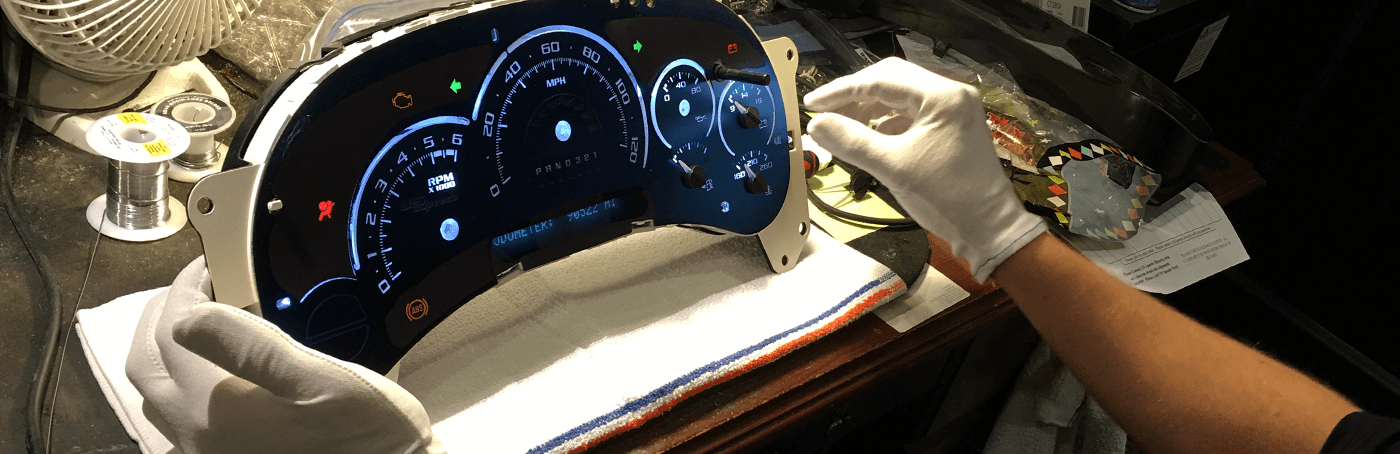
Professional Cluster Refurbishment
Refurbishment combines multiple repairs for a like-new cluster. Experts disassemble, clean, and test every part. They replace worn components such as motors, lights, and circuit boards. Calibration ensures all gauges work precisely. Refurbished clusters perform reliably and look fresh, saving money over full replacement.
When To Replace
Knowing when to replace your instrument cluster is key to maintaining your vehicle’s safety and functionality. The instrument cluster displays vital information like speed, fuel level, and engine warnings. Faulty clusters can cause incorrect readings, leading to unsafe driving conditions. Recognizing the right time to replace the cluster prevents further issues and keeps your dashboard reliable.
Severe Damage Signs
Look for flickering or dim backlights on the cluster. Blank or pixelated screens indicate serious problems. Stuck or jumping needles can mislead your speed or fuel readings. Warning icons that fail to light up at startup mean the cluster is malfunctioning. These signs show the cluster needs replacement soon.
Cost Of Repairs Vs Replacement
Repairs may fix minor issues but can be costly for complex faults. If repair costs approach or exceed half the price of a new cluster, replacement is wiser. New clusters offer better reliability and warranty coverage. Consider your vehicle’s age and cluster condition when deciding.
Buying New Vs Used Clusters
New clusters provide the latest features and full warranty. Used clusters cost less but may have hidden problems. Choose used clusters from trusted sellers with return policies. Check the cluster’s condition and mileage compatibility before buying.
Compatibility Considerations
Ensure the replacement cluster matches your vehicle’s make, model, and year. Software versions must be compatible to avoid errors. Some clusters require programming to sync with your car’s system. Consult a professional to verify compatibility and installation needs.
Driving Without A Cluster
Driving without a working instrument cluster can be confusing and risky. The cluster shows vital information like speed, fuel level, and engine warnings. Without it, you lose key data needed for safe driving.
Some drivers try to keep going without a cluster, but this comes with many problems. Knowing what you risk and how to handle the situation helps you stay safer on the road.
Risks And Limitations
Driving without an instrument cluster hides important details. You cannot see your speed, which may lead to speeding tickets or accidents. Fuel level is unknown, increasing the chance of running out of gas. Engine warnings do not appear, so you might miss urgent issues. This can cause more damage to your car or break down unexpectedly.
Legal Implications
Many states require a working instrument cluster for road use. Driving without one could lead to fines or vehicle inspection failures. Law enforcement may consider it unsafe and stop your vehicle. The absence of speedometer and warning lights might violate traffic laws. Always check your local rules before driving without a cluster.
Temporary Workarounds
Using a GPS device can help track your speed temporarily. Keep an eye on engine sounds and smells for signs of trouble. Filling up fuel more often prevents running empty. Some cars may offer warning chimes even if the cluster is off. These steps are not perfect but can help until you fix the cluster.
Maintenance Tips
Proper maintenance can extend the life of your instrument cluster. Simple steps prevent common problems and keep everything working well. Regular care helps avoid costly repairs and unsafe driving conditions.
Regular Inspections
Check your instrument cluster often for any signs of trouble. Look for flickering lights, blank screens, or stuck needles. Early detection of issues can prevent bigger problems later. Keep an eye on warning lights and unusual behavior.
Avoiding Moisture Damage
Moisture can cause serious damage to your instrument cluster. Make sure your vehicle’s interior stays dry and free from leaks. Avoid parking in damp or wet areas for long periods. Use moisture absorbers or dehumidifiers if needed to keep the dashboard dry.
Protecting Electrical Connections
Electrical problems often cause instrument cluster failures. Keep all wiring and connectors clean and secure. Avoid using harsh chemicals near the dashboard. Regularly inspect connections for corrosion or loose wires to ensure proper function.
Frequently Asked Questions
How Long Do Instrument Clusters Last?
Instrument clusters typically last the vehicle’s lifetime but may fail due to wear and tear or electrical issues. Regular maintenance helps extend their life.
Can A Car Instrument Cluster Be Repaired?
Yes, a car instrument cluster can be repaired by replacing faulty components like stepper motors, LEDs, or circuit boards.
Can You Drive A Car With A Broken Cluster?
You can drive a car with a broken cluster, but you lose vital information about speed, fuel, and warnings. This risks safety and legal issues. Repairing the cluster is essential for safe driving and to avoid potential fines.
What Happens When A Cluster Goes Bad?
A bad cluster may cause flickering lights, stuck gauges, blank or pixelated screens, and random odometer resets.
What Are Common Signs Of Instrument Cluster Problems?
Flickering or blank lights and stuck needles often show cluster issues. Warning icons may also fail to light up at startup.
Conclusion
Instrument cluster problems can affect your driving safety and comfort. Watch for signs like flickering lights or frozen gauges. Early detection helps prevent bigger issues. Repair options range from simple fixes to professional services. Keeping your instrument cluster in good shape ensures reliable information on the road.
Don’t ignore warning signs; address issues promptly. A well-functioning cluster keeps you informed and safe while driving.