
Is your Spectracide sprayer making noise but refusing to spray? You’re not alone—and it can be really frustrating when you’re ready to tackle your garden or pest problem, but your sprayer just won’t cooperate.
Whether the nozzle is clogged, the batteries are low, or something inside is misaligned, the good news is that many common issues are easy to fix. You’ll discover simple, step-by-step solutions that will get your Spectracide sprayer working like new again.
Keep reading, because the answer to your sprayer troubles is closer than you think!
Common Spectracide Sprayer Issues
Spectracide sprayers are popular for garden and pest control. Despite their ease of use, they sometimes face issues. Understanding common problems helps fix them quickly. This section covers typical Spectracide sprayer issues. Follow simple tips to identify and solve these problems.
No Spray Output Despite Motor Noise
The motor runs but no spray comes out. This often means a blockage or airlock in the system. Check if the siphon tube is properly placed in the liquid. Air bubbles can stop fluid from reaching the nozzle. Also, inspect the nozzle for clogs that stop spray flow.
Clogged Spray Nozzle
Nozzles can get blocked by dirt or dried chemicals. This stops the spray or causes uneven spraying. Remove the nozzle and soak it in warm water. Use a fine pin to clear tiny holes. Regular cleaning keeps the nozzle working well.
Hose And Tube Problems
Hoses can kink or crack, blocking liquid flow. Check the hose connecting the tank to the wand. Straighten any bends and replace damaged hoses. Tubes inside the sprayer may also wear out. Replace worn tubes to restore proper spraying.
Battery-related Failures
Low or dead batteries cause the sprayer to stop working. Replace batteries with fresh, fully charged ones. Always use the recommended battery type. Weak power leads to poor motor performance and no spray output.
Cracked Housing And Motor Damage
Physical damage can stop the sprayer from working. Cracks in the housing let air enter, causing pressure loss. Motor parts may wear out or break over time. Inspect the sprayer body and motor for visible damage. Repair or replace faulty parts to fix the sprayer.
Quick Fixes For No Spray Output
Quick fixes for no spray output can save you time and frustration. Spectracide sprayers often stop spraying due to simple issues. Most problems involve power, blockages, or priming. These solutions help get your sprayer working fast. Follow these easy steps to restore spray flow and keep your garden healthy.
Replacing Batteries With Fresh Aa Cells
Weak or dead batteries cause the sprayer motor to run poorly. Replace old batteries with fresh AA cells. This provides full power to the motor. Always use new, high-quality batteries for best results. Remove the battery cover and swap the cells. Check for corrosion and clean contacts if needed. After replacement, test the sprayer to confirm spray output returns.
Unclogging Nozzle Using Warm Water And Pins
Nozzles often clog with dried product or dirt. Remove the nozzle tip carefully. Soak it in warm water for a few minutes. Use a fine pin or paperclip to clear the tiny hole. Avoid forcing the pin as it may damage the nozzle. Rinse the nozzle again in warm water. Reattach the nozzle and test the spray. This clears blockages and restores smooth spray patterns.
Re-priming The Siphon Tube
The siphon tube draws liquid from the container into the sprayer. Air bubbles or misalignment stop liquid flow. Remove the siphon tube and check for cracks or bends. Reinsert it firmly into place to ensure a tight seal. Press the trigger several times to pump liquid up the tube. Watch for consistent liquid flow through the nozzle. Proper priming clears air and restarts spraying.
Inspecting And Clearing The Spray Nozzle
Inspecting and clearing the spray nozzle is a key step in fixing a Spectracide sprayer that is not working properly. Dirt, product residue, or crystallized chemicals can block the nozzle and stop the spray. Regular inspection helps keep the sprayer working well. Follow simple steps to clean the nozzle and restore smooth spraying.
Removing Product Residue And Crystallization
Over time, leftover product can build up around the nozzle tip. This residue often hardens into crystals, blocking the spray hole. Remove the nozzle from the sprayer wand carefully. Soak the nozzle in warm water for a few minutes. The water softens the residue and crystals. Use a soft cloth or brush to wipe away the buildup. Avoid using harsh tools that might damage the nozzle.
Using A Pin Or Paperclip To Clear Blockages
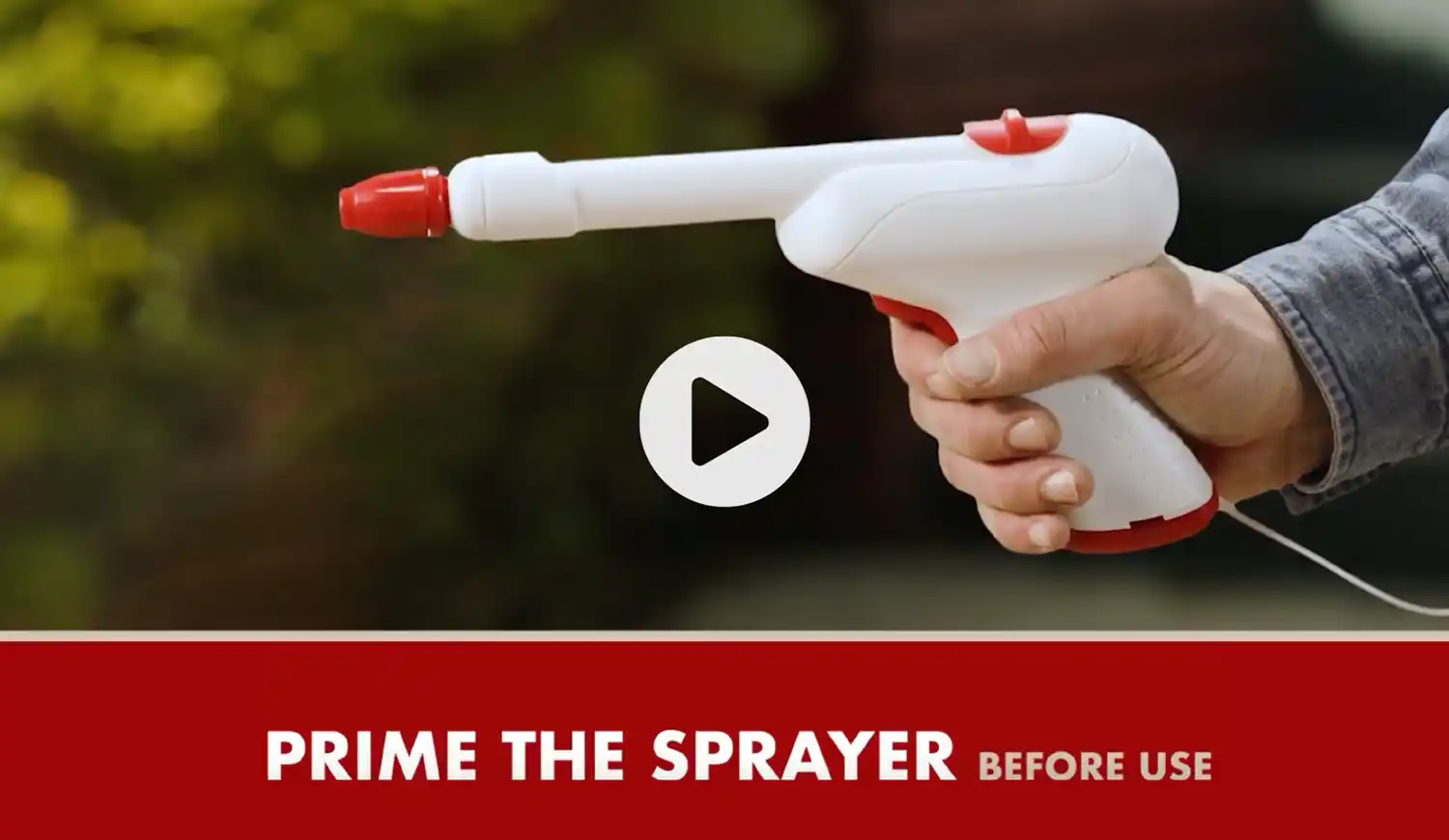
Small blockages inside the nozzle hole need gentle clearing. Take a clean pin or an unfolded paperclip. Push it slowly through the nozzle hole to remove any dirt or crystals. Do not apply too much force to avoid enlarging or damaging the hole. After clearing, rinse the nozzle with warm water. Reattach the nozzle and test the sprayer. The spray should flow smoothly again.
Credit: www.spectracide.com
Checking Hose And Dip Tube
Checking the hose and dip tube is key when your Spectracide sprayer stops working. These parts help move the liquid from the bottle to the spray wand. Blockages or damage here often cause the sprayer to fail. A quick look can save time and effort.
Detecting And Fixing Hose Kinks
Look closely at the hose for any bends or kinks. Kinks block the flow of liquid and stop the sprayer from working. Straighten out any sharp bends you find. If the hose is cracked or damaged, replace it with a new one. A smooth, clear hose ensures proper spraying.
Ensuring Dip Tube Is Connected And Properly Positioned
The dip tube reaches into the bottle to pull up the liquid. Check if it is firmly connected to the sprayer. A loose dip tube can cause air to enter and stop the spray. Also, ensure the tube reaches the bottom of the bottle. A tube that is too short leaves liquid behind and causes the sprayer to fail.
Troubleshooting Hose-end Attachments
Troubleshooting hose-end attachments is key when your Spectracide sprayer stops working. These attachments connect your garden hose to the sprayer, allowing water to flow and mix with the product. Problems here often cause no spray or weak spray issues.
Many times, the problem lies in simple settings or water flow. Small adjustments and checks can restore proper sprayer function quickly. Focus on the valve, dial, and water pressure to find the root cause.
Confirming Valve Or Dial Is Set To Spray
Check the valve or dial on the sprayer attachment first. This control directs water flow and product mixing. It must be set to the spray position for the sprayer to work.
Turn the dial slowly through all settings. Sometimes it is stuck between modes. Make sure it clicks or locks into the spray mode. If the dial moves freely, it should allow water and product to pass.
Inspect the valve for dirt or debris. Clean it gently with water if needed. A clogged valve can block water flow entirely. Proper valve or dial setting often solves spray issues immediately.
Ensuring Adequate Water Pressure
Water pressure drives the sprayer’s function. Low or no pressure causes weak spray or no spray at all. Test the hose by running water without the sprayer attached.
Strong, steady water flow is necessary. If water pressure is low, check for kinks or twists in the hose. Remove any blockages that reduce flow.
Also, avoid using the sprayer with a slow drip or trickle. The sprayer needs enough force to mix and spray the product properly. Adequate water pressure is essential for a smooth spray pattern.
Dealing With Mechanical Failures
Mechanical problems often cause Spectracide sprayers to stop working. These issues prevent the sprayer from distributing liquid correctly. Understanding the common mechanical failures helps fix the problem quickly. This section explains how to spot and manage these failures effectively.
Identifying Cracked Housing Issues
The housing of the sprayer holds all the parts together. Cracks in the housing can cause leaks or loss of pressure. Look for visible cracks or damage on the sprayer body. If you notice any cracks, the sprayer might not work properly.
Cracks let air or liquid escape, reducing spray power. Even small cracks can cause major problems. Check around the trigger area and where the tank connects. Replace or repair cracked housing to restore sprayer function.
Recognizing Dead Motor Symptoms
The motor powers the pump inside the sprayer. A dead motor means the sprayer will not spray at all. Signs include no noise or vibration when pulling the trigger. Sometimes the motor hums but does not spin.
Test the motor by checking the battery and connections. If the motor does not run with fresh batteries, it might be faulty. A dead motor requires replacement or professional repair to fix the sprayer.
Contacting Spectracide Support For Replacements
If mechanical parts fail and cannot be fixed, contact Spectracide support. They provide replacements for damaged or faulty components. Have your product details and purchase information ready.
Spectracide support can guide you through warranty options and replacement parts. Getting official parts ensures your sprayer works safely and efficiently. Reach out early to avoid long downtime.
Preventive Maintenance Tips
Preventive maintenance helps keep your Spectracide sprayer working well. Small daily care steps stop problems before they start. Follow these simple tips to extend the life of your sprayer. Proper upkeep saves time and money.
Regular Cleaning Of Nozzles And Tubes
Cleaning nozzles and tubes stops clogs and blockages. After each use, rinse the sprayer with clean water. Use a soft brush to remove dirt and residue. Check the tiny nozzle holes for any buildup. Clear blockages gently with a pin or needle. This keeps spray patterns even and strong.
Proper Storage And Battery Care
Store your sprayer in a dry, cool place. Avoid leaving it in direct sunlight or freezing temperatures. Remove batteries if you do not use the sprayer for a long time. Recharge or replace batteries regularly for full power. Proper battery care prevents motor failure and poor spray performance.
Avoiding Overtightening Of Nozzle Caps
Do not overtighten nozzle caps. Tight caps can strip threads or damage seals. This causes leaks and reduces spray pressure. Hand-tighten caps just enough to prevent leaks. Check caps often for cracks or wear. Replace damaged parts to keep the sprayer sealed and working well.

Credit: www.youtube.com
Frequently Asked Questions
How Do You Prime A Spectracide Sprayer?
To prime a Spectracide sprayer, fill the tank with solution, attach the wand, and pump the handle until liquid flows. Ensure the dip tube is submerged and not kinked. Pull the trigger to release air and start spraying smoothly.
Why Is My Spray Nozzle Not Working?
Your spray nozzle may not work due to clogs, kinked hoses, detached dip tubes, dead batteries, or low water pressure. Clear blockages, check connections, replace batteries, and ensure the sprayer is on. Damaged parts or motor failure also cause issues; contact support for replacements.
Why Is My Bug Spray Wand Not Working?
Your bug spray wand may not work due to clogged nozzles, kinked hoses, detached dip tubes, dead batteries, or low water pressure. Clear blockages, check connections, replace batteries, and ensure the sprayer is on. Contact support if the motor or housing is damaged.
What Are Common Sprayer Problems?
Common sprayer problems include clogged nozzles, dead batteries, kinked hoses, detached dip tubes, and stripped threads. These issues cause leaks, poor spray, or no spray at all. Regular cleaning, battery replacement, and proper assembly fix most problems quickly and efficiently.
Why Is My Spectracide Sprayer Not Spraying Liquid?
The nozzle may be clogged with residue or dirt. Clean it gently with warm water or a fine pin to clear blockages.
Conclusion
Troubleshooting your Spectracide sprayer need not be hard. Check batteries first to ensure full power. Clear any nozzle clogs with warm water or a pin. Confirm the hose and straw are connected and not kinked. Make sure the spray dial is set to “ON” or “SPRAY.
” Following these simple steps often solves the problem fast. Keep your sprayer ready for the next use. A working sprayer means better garden care and less hassle.