
Vizio TVs have become a popular choice for people looking for reliable, affordable smart TVs. Many buyers, however, wonder where these TVs are actually made. The answer is not as simple as one country or one factory. The story of Vizio’s manufacturing is a mix of global supply chains, partnerships, and strategic decisions.
Understanding where Vizio TVs are made can help you make better decisions as a buyer and give you insight into the world of modern electronics.
In this article, you’ll discover the real facts behind Vizio’s manufacturing process, the countries involved, how the company’s business model shapes its products, and what this means for quality and price. Along the way, you’ll find details that many buyers miss and clear answers to the questions that matter most.
The Origins Of Vizio
To understand where Vizio TVs are made, it helps to know a bit about the company’s background. Vizio was founded in 2002 by William Wang in Costa Mesa, California. From the start, Vizio took a different path than many other TV brands. Instead of building its own factories, Vizio focused on designing and marketing its products while working with other companies to manufacture them.
This approach is sometimes called the “fabless” model. It means Vizio does not own or operate factories. Instead, it partners with manufacturers in other countries. This business model has allowed Vizio to keep costs down and focus on delivering value, but it also means the location of production can change over time.
Who Manufactures Vizio Tvs?
Vizio does not make its TVs directly. Instead, it works with several contract manufacturers, mainly based in Asia. The main companies that have manufactured Vizio TVs include:
- AmTran Technology (Taiwan)
- TPV Technology (Hong Kong/China)
- Foxconn (Taiwan/China)
- OEM partners in Mexico and other locations
Let’s look at each of these in more detail.
Amtran Technology
For many years, AmTran Technology was Vizio’s primary manufacturing partner. AmTran is a Taiwanese company with factories in Taiwan, China, and other locations. AmTran helped Vizio design and produce its early TVs and even became a shareholder in Vizio for a time.
Tpv Technology
TPV Technology is one of the world’s largest makers of computer monitors and TVs. Based in Hong Kong, with major operations in China, TPV has built TVs for many brands, including Vizio. TPV’s large-scale production helps Vizio keep costs low.
Foxconn
Foxconn is another giant in electronics manufacturing. Known for assembling products for Apple, Sony, and Microsoft, Foxconn has also made Vizio TVs. Foxconn’s factories are mainly in China but also spread across several countries.
Other Oem Partners
Vizio sometimes works with other Original Equipment Manufacturers (OEMs), including companies in Mexico and Southeast Asia. These partnerships help Vizio meet demand in different regions and manage costs.
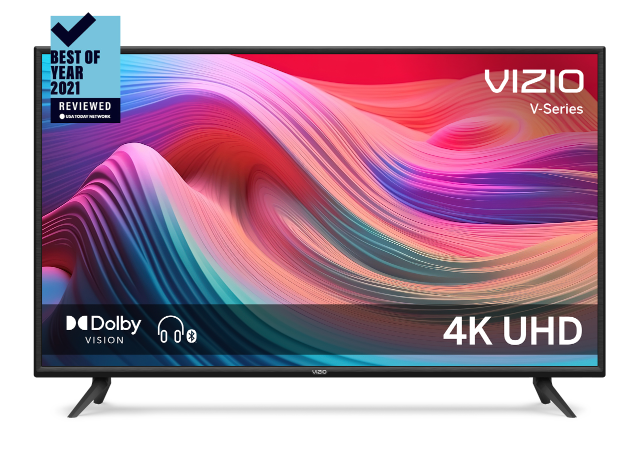
Main Countries Where Vizio Tvs Are Made
The question “Where are Vizio TVs made? ” really means, “In which countries are Vizio TVs assembled and produced? ” The answer is a mix of several countries, mostly in Asia, but also in North America.
China
China is the leading country for Vizio TV production. Most Vizio TVs are assembled in large factories here. The reasons are clear: China has a well-developed electronics industry, plenty of skilled workers, and strong supply chains for parts.
Mexico
Some Vizio TVs are assembled in Mexico. This is especially true for TVs sold in the United States. Building TVs in Mexico helps Vizio reduce shipping costs and avoid some import taxes.
Taiwan
Taiwan is home to some of Vizio’s major partners, such as AmTran and Foxconn. While most assembly happens in China, some key components or final assembly may take place in Taiwan.
Other Countries
From time to time, Vizio has worked with factories in Vietnam, Thailand, and other countries. These locations are less common but may be used to handle extra demand or respond to changes in global trade rules.
How The Global Supply Chain Works
Vizio’s manufacturing process is a good example of a global supply chain. Let’s break down how this works:
- Design: Vizio’s team in California creates the TV design and features.
- Parts sourcing: Key components like LCD panels, processors, and circuit boards come from suppliers around the world.
- Assembly: Most TVs are put together in factories in China or Mexico.
- Shipping: Finished TVs are shipped to stores and warehouses in the US and other countries.
Here’s a simple comparison showing where major production steps can happen:
| Production Step | Main Location | Other Possible Locations |
|---|---|---|
| Design & Engineering | USA (California) | Taiwan |
| Component Manufacturing | China | Taiwan, South Korea |
| Assembly | China, Mexico | Taiwan, Vietnam |
| Shipping & Distribution | USA | Canada, Latin America |
Why Vizio Uses This Manufacturing Model
There are several reasons why Vizio does not build its own factories:
- Cost savings: Building and operating factories is expensive. By using partners, Vizio reduces its costs.
- Flexibility: Vizio can change partners or shift production if needed.
- Focus: The company can focus on design, software, and marketing instead of factory management.
- Speed: Working with large manufacturers helps Vizio launch new models faster.
This approach is common in the electronics industry. Many well-known brands, such as Apple and Sony, use similar models.
Quality Control And Standards
One question buyers often ask is, “Are Vizio TVs as good as brands that make their own products?” The answer comes down to quality control. Vizio sets strict standards for its manufacturing partners. The company’s engineers visit factories to check quality and make sure each TV meets its requirements.
However, there are some challenges with this model:
- Variation: TVs made in different factories might have small differences.
- Supply chain risk: Problems in one country (like labor strikes or trade disputes) can delay production.
Despite these risks, Vizio has built a strong reputation for quality, especially in its price range. The company’s TVs often earn high ratings in reviews for picture quality, reliability, and value.
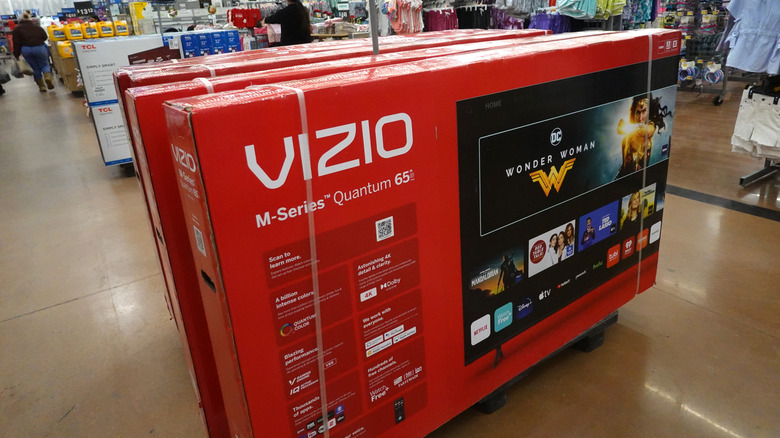
Vizio’s Most Common Manufacturing Countries: A Closer Look
Let’s look more closely at the countries where most Vizio TVs are assembled.
China
China is the powerhouse of electronics manufacturing. Here’s why Vizio relies on Chinese factories:
- Skilled workforce: Millions of people are trained in electronics assembly.
- Integrated supply chain: Components like LCD panels, chips, and cases can be sourced locally.
- Scale: Factories can produce large numbers of TVs quickly and at a low cost.
In China, cities like Shenzhen and Guangzhou are especially important for TV production. However, Chinese labor costs have slowly increased, so Vizio and its partners sometimes look for other locations as well.
Mexico
Mexico is important for TVs sold in North America. Here’s why:
- Near to US market: Shipping TVs from Mexico to US stores is faster and cheaper than from Asia.
- Trade agreements: NAFTA (now USMCA) makes it easier to sell Mexican-made TVs in the US without high tariffs.
- Lower costs than the US: While more expensive than China, Mexican factories are still cheaper than building TVs in the US.
Cities like Tijuana and Reynosa have large electronics assembly plants that build TVs for many brands, including Vizio.
Taiwan
Taiwan is a leader in electronics design and technology. While most assembly is in China, Taiwan plays a key role in:
- Engineering: Companies like AmTran and Foxconn have their headquarters and R&D in Taiwan.
- Specialized components: Some high-tech parts are made in Taiwan before final assembly in China or Mexico.
Taiwan’s influence in the TV market goes beyond Vizio. Many global brands use Taiwanese expertise and technology.
Are Vizio Tvs Made In The Usa?
A common question is whether any Vizio TVs are made in the United States. The answer is no. While Vizio is an American company and handles product design, engineering, and support in California, all TV assembly happens overseas or in Mexico.
There are no Vizio TV factories in the US.
This is similar to most TV brands. Almost all TVs sold in the US are made in Asia or Mexico, regardless of brand. US labor costs and factory expenses are much higher, making domestic assembly too expensive for affordable TVs.
How Vizio Compares To Other Tv Brands
It’s helpful to see how Vizio’s manufacturing model compares with other popular brands.
| Brand | Headquarters | Main Manufacturing Countries | Owns Factories? |
|---|---|---|---|
| Vizio | USA | China, Mexico | No |
| Samsung | South Korea | South Korea, Vietnam, China, Mexico | Yes |
| LG | South Korea | South Korea, China, Mexico, Poland | Yes |
| Sony | Japan | Malaysia, China, Slovakia | Some |
| TCL | China | China, Vietnam, Mexico | Yes |
As you can see, Vizio is not unusual in using overseas factories. The main difference is that some brands, like Samsung and LG, own their own factories, while Vizio relies fully on partners.
What This Means For Buyers
If you’re thinking about buying a Vizio TV, should you worry about where it’s made? Here are some key points to consider:
- Quality is controlled by Vizio. The company sets standards for its partners.
- Country of assembly does not always equal country of parts. Many parts come from several countries, even if the TV is put together in one place.
- Price advantages. Vizio’s approach helps keep prices low.
- Support is local. Even though TVs are made overseas, customer support and warranty service are managed by Vizio’s US team.
One non-obvious insight is that sometimes, two identical Vizio TVs bought from different stores may be assembled in different countries. This can be due to supply chain adjustments or demand spikes.
How To Find Out Where Your Vizio Tv Was Made
If you already own a Vizio TV or are shopping for one, you may want to know exactly where a specific unit was assembled. Here’s how you can check:
- Look at the label: Most Vizio TVs have a label on the back or bottom. It usually says “Assembled in China,” “Assembled in Mexico,” or another country.
- Model number details: Sometimes, the model number or serial code can tell you the factory location. Some retailers or online forums list these codes.
- Ask the retailer: Customer service may be able to tell you where a batch of TVs was made.
- Check the box: The outer packaging often lists the assembly country.
Remember, the country listed is usually where the TV was finally put together, not where all parts were made.
How Vizio’s Manufacturing Affects Price And Value
One of Vizio’s biggest selling points is affordable pricing. Because Vizio does not own factories, it avoids the high costs of building and maintaining them. These savings are passed on to buyers.
Vizio also benefits from the scale of its partners. Companies like Foxconn build millions of TVs for many brands, so they can buy parts in huge quantities at lower prices. This helps Vizio compete with giant brands even though it’s a smaller company.
However, there are trade-offs:
- Less control over production: If there are problems at a partner factory, Vizio must rely on the partner to fix them.
- Possible variations: Two TVs with the same model number may have small differences if made in different places.
- Longer shipping times: TVs made in Asia must cross the Pacific, which can add to delivery time if supply chains are disrupted.
Still, for most buyers, the price and quality balance is excellent.
Vizio’s Response To Changing Trade Policies
In recent years, US trade policy has changed, with new tariffs on some Chinese goods. This affects where TVs are made. Vizio and its partners have adapted by:
- Shifting some assembly to Mexico: This avoids tariffs on Chinese-made TVs sold in the US.
- Sourcing parts from several countries: Vizio tries not to rely on one country for all components.
This flexibility helps Vizio keep prices stable even as global trade rules change.
Vizio’s Approach To Sustainability And Working Conditions
Many buyers care about sustainability and working conditions. Because Vizio does not own the factories, it relies on its partners to meet certain standards. Vizio says it expects partners to:
- Follow local labor laws
- Meet safety standards
- Reduce environmental impact where possible
However, Vizio does not publish a full list of factories or detailed audit results. If these topics are very important to you, it may be helpful to research Vizio’s partners, such as AmTran or Foxconn, who do publish some reports.
The Role Of Technology In Vizio’s Manufacturing
Vizio’s business model means it can focus on technology and features instead of running factories. This has helped Vizio bring features like:
- Smart TV platforms (such as SmartCast)
- 4K and OLED panels
- Advanced processors for picture quality
By working with top suppliers, Vizio can add the latest technology without building its own parts. For example, Vizio buys high-quality display panels from leading companies in South Korea or Taiwan and has them assembled into finished TVs in China or Mexico.
One insight many buyers miss is that the quality of the TV often depends more on the source of the LCD or OLED panel than on the location of final assembly.
How Vizio Maintains Consistency Across Different Factories
Maintaining the same quality level across different factories and countries is a challenge. Vizio uses several methods:
- Standardized designs: All partners use the same blueprints and instructions.
- Regular audits: Vizio’s engineers visit factories to check quality.
- Testing: Each TV is tested before leaving the factory.
If a factory does not meet Vizio’s standards, the company can switch to another partner. This keeps pressure on factories to maintain quality.
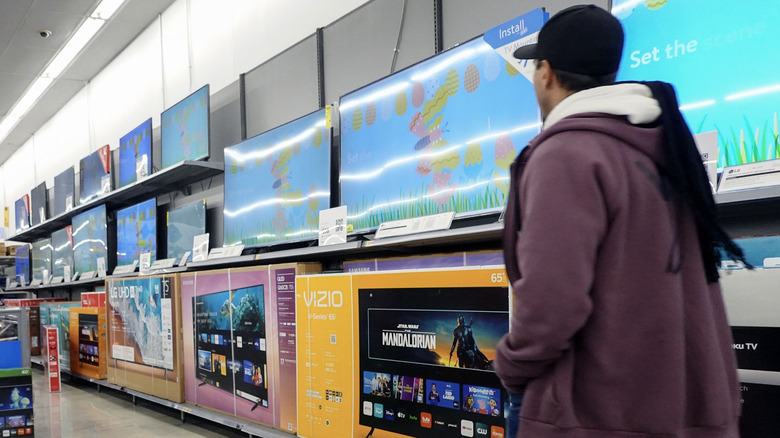
Common Myths About Where Vizio Tvs Are Made
There are a few myths and misunderstandings about Vizio TVs and their manufacturing:
1. Myth: All Vizio Tvs Come From One Country.
In reality, Vizio uses several countries, and the country may change depending on the model or year.
2. Myth: “made In China” Means Low Quality.
China has some of the most advanced electronics factories in the world. Quality depends more on the company’s standards than on the country.
3. Myth: Us-made Tvs Are Always Better.
Almost no TVs are made in the US anymore. Most major brands assemble TVs in Asia or Mexico.
4. Myth: All Parts Are From One Country.
Even if a TV is assembled in China or Mexico, parts like processors or panels may come from Taiwan, South Korea, or Japan.
Understanding these facts can help you make smarter buying decisions.
What The Future Holds For Vizio’s Manufacturing
The world of TV manufacturing is always changing. Here are some trends that could affect where Vizio TVs are made in the future:
- Rising costs in China: As wages increase, some production may move to other countries.
- New trade agreements: Changes in US-Mexico-China relations could shift assembly locations.
- Automation: As factories use more robots, some parts of production may return to countries with higher labor costs.
- Sustainability: Buyers want more information about factory conditions and environmental impact.
Vizio’s “fabless” model gives it the flexibility to respond quickly to these changes. The company can shift partners or countries if needed, which helps keep prices competitive.
How Vizio’s Manufacturing Model Affects Software And Updates
One area where Vizio’s US-based team plays a big role is in software and updates. While the TVs are built overseas, the software is developed and updated by Vizio’s engineers in California. This means:
- Smart TV platforms are designed for US buyers.
- Updates and bug fixes come from Vizio, not the factory.
- Support for new apps and streaming services is managed by Vizio.
This separation between hardware (made overseas) and software (made in the US) helps Vizio keep its TVs up to date and competitive, even if the TVs are built far from the US.
Vizio’s Market Position And Manufacturing
Vizio is one of the top TV brands in the US, often ranking in the top five for market share. The company’s success is closely linked to its manufacturing strategy:
- Low costs lead to competitive pricing.
- Outsourcing allows focus on customer needs and new features.
- Flexibility helps Vizio respond to market changes faster than some older brands.
Vizio’s model is a good example of how modern electronics companies can thrive without owning factories. It also shows how global supply chains connect buyers in the US with workers and technology around the world.
Should You Be Concerned About Where Vizio Tvs Are Made?
For most buyers, the country of assembly is less important than the overall quality and value. Vizio’s TVs are made in the same kinds of factories as those from leading brands. The key is that Vizio sets its own standards and checks its partners’ work.
If you care about supporting American jobs, remember that Vizio employs US workers in areas like design, engineering, sales, and support—even if the TVs themselves are not made in the US. If sustainability or labor conditions are important to you, consider researching Vizio’s partners and looking for reports or certifications.
Key Takeaways
- Vizio TVs are designed in the US but assembled in China, Mexico, and sometimes other countries.
- Vizio does not own factories; it works with large partners like AmTran, TPV Technology, and Foxconn.
- Most Vizio TVs are made in China or Mexico, depending on the model and market.
- Quality is controlled by Vizio, not the factory location.
- The brand’s flexible manufacturing keeps prices low and value high.
For more details about Vizio’s business and history, see the entry on Wikipedia.
Frequently Asked Questions
Where Are Most Vizio Tvs Assembled?
Most Vizio TVs are assembled in China and Mexico. The exact location depends on the model and where it will be sold.
Does Vizio Own Any Factories?
No, Vizio does not own factories. The company uses contract manufacturers in Asia and Mexico to build its TVs.
Are Vizio Tvs Made In The Usa?
No, Vizio TVs are not made in the USA. Design and support are in the US, but assembly happens overseas or in Mexico.
How Can I Find Out Where My Vizio Tv Was Made?
Check the label on the back or bottom of your TV, or look at the box. It usually says “Assembled in China,” “Assembled in Mexico,” or another country.
Does The Country Of Assembly Affect Vizio Tv Quality?
Quality depends more on Vizio’s standards than on the country. Vizio checks its partners’ work to keep quality high, no matter where the TV is made.
Vizio’s manufacturing story is a great example of today’s global electronics industry. Knowing where your TV comes from helps you understand the value and technology behind the screen—and make the best choice for your home.