
Have you ever tried to drain your bathtub only to find the stopper stuck firmly in the closed position? It’s frustrating when water won’t go down, and the usual tricks don’t work.
You might be wondering if you need a plumber or if there’s a quick fix you can do yourself. The good news is, you don’t have to live with a clogged tub or a jammed stopper. You’ll learn simple, effective steps to free your bathtub drain stopper, so your water flows smoothly again.
Keep reading—you’ll be surprised how easy it can be to solve this common bathroom problem on your own.
Common Stopper Types
Bathtub drain stoppers come in several common types. Each type has a unique design and operation method. Knowing the type helps in fixing a stopper stuck in the closed position. This section explains the main types found in most homes.
Lift-and-turn Stoppers
Lift-and-turn stoppers work by lifting the stopper and then turning it to open or close. They screw onto the drain post. This type may get stuck if dirt or rust builds up. Cleaning and lubricating can often free them.
Push-and-pull Stoppers
Push-and-pull stoppers open by pulling up and close by pushing down. They fit into the drain hole and seal it. Over time, debris can jam them. Removing the stopper and cleaning the drain usually helps.
Trip Lever Stoppers
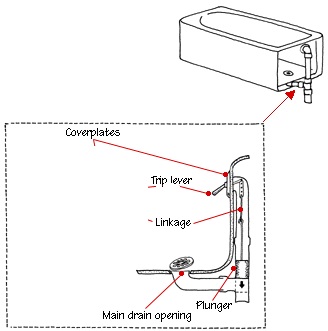
Trip lever stoppers use a lever on the bathtub wall to open and close the drain. The lever connects to a rod that lifts the stopper. If the linkage is broken or clogged, the stopper can get stuck. Adjusting or cleaning the mechanism often fixes this.
Toe-touch Stoppers
Toe-touch stoppers open and close with a simple push using the toe. They twist to lock in place. They can get stuck if the twisting mechanism fails or becomes dirty. Cleaning and gentle twisting can restore function.
Reasons For Stuck Stoppers
Bathtub drain stoppers often get stuck in the closed position. This problem stops water from draining properly. Several common issues cause stoppers to jam or fail. Understanding these reasons helps in fixing the problem quickly and easily.
Build-up Of Hair And Debris
Hair and soap scum collect around the stopper over time. This build-up blocks the stopper’s movement. It creates a sticky layer that holds the stopper shut. Removing the debris restores smooth operation.
Corroded Or Rusted Parts
Metal parts inside the drain can rust or corrode. Moisture speeds up this process in bathrooms. Corrosion causes parts to stick or seize in place. Replacing rusted parts often solves the issue.
Broken Or Misaligned Linkage
The linkage connects the stopper to the lever or knob. If it breaks or slips out of place, the stopper won’t open. Misaligned linkage can jam the mechanism. Adjusting or fixing the linkage frees the stopper.
Hidden Set Screws
Some stoppers have small set screws to hold them tight. These screws may be hidden under the stopper or cap. If tightened too much, they trap the stopper closed. Loosening these screws allows the stopper to move again.
Tools You’ll Need
Fixing a bathtub drain stopper stuck in the closed position requires the right tools. Gathering these tools before starting saves time and effort. Each tool plays a key role in removing or repairing the stopper safely and effectively.
Screwdrivers And Pliers
Screwdrivers help remove screws holding the drain stopper or cover. Flathead and Phillips screwdrivers are often needed. Pliers provide grip and leverage for pulling or twisting stuck parts. Needle-nose pliers are especially useful for tight spaces.
Lubricants And Cleaners
Lubricants loosen tight or rusty parts for easier removal. WD-40 or silicone spray works well. Cleaners clear away grime and buildup inside the drain. A mild bathroom cleaner or vinegar can dissolve deposits that cause sticking.
Rubber Gloves
Rubber gloves protect your hands from dirt, chemicals, and sharp edges. They also improve grip on slippery parts. Wearing gloves keeps the process hygienic and safer.
Small Picks Or Knives
Small picks or utility knives help remove gunk and debris from narrow gaps. They can also pry loose stubborn seals or washers. Use these tools carefully to avoid damage to the drain or stopper.

Quick Fix Steps
When a bathtub drain stopper is stuck in the closed position, quick fixes can save time and money. These simple steps help restore smooth function without calling a plumber. Follow each step carefully for the best results.
Remove The Overflow Plate
Start by locating the overflow plate on the tub wall above the drain. Use a screwdriver to remove the screws holding it in place. Take off the plate gently to expose the stopper’s linkage inside the wall. This access allows you to work on the stopper mechanism easily.
Clear Hair And Gunk From Linkage
Look inside the opening for any hair, soap scum, or debris. Use a small brush or cloth to clean these blockages. Clearing buildup improves the stopper’s movement and prevents it from sticking. Make sure to remove all visible gunk for a smoother operation.
Lubricate Moving Parts
Apply a small amount of plumber’s grease or silicone lubricant to the metal parts of the linkage. Avoid oil-based lubricants as they can attract dirt. Lubrication reduces friction and helps the stopper move freely. Move the linkage gently to spread the grease evenly.
Unscrew Or Pull Out The Stopper
If the stopper still won’t open, try unscrewing or pulling it out. Some stoppers twist counterclockwise to release. Others pull straight up after loosening the linkage. Use pliers wrapped in cloth to avoid damage. Removing the stopper allows for deeper cleaning or replacement if needed.
Handling Specific Stopper Types
Bathtub drain stoppers come in different types. Each type needs a special way to fix if it gets stuck in the closed position. Knowing the right method helps save time and avoids damage. This section shows easy steps to handle common stopper types and get your drain working again.
Releasing Lift-and-turn Stoppers
Lift-and-turn stoppers lock by turning the knob and pushing down. To release, try turning the stopper counterclockwise. If it won’t turn, use a cloth for a better grip. Once loose, pull the stopper up to remove it. Clean any debris or buildup under it. Apply a little grease to the screw threads before replacing it.
Fixing Trip Lever Mechanisms
Trip lever stoppers use a lever on the overflow plate to open and close the drain. Remove the overflow plate by unscrewing it. Check the lever linkage for rust or dirt. Clean the parts and apply lubricant to the moving pieces. Reattach the plate and test the lever. Adjust the linkage if the stopper still sticks.
Freeing Push-and-pull Stoppers
Push-and-pull stoppers open by pulling them up and close by pushing down. To free a stuck stopper, try lifting it while twisting gently. If it stays stuck, remove the stopper by unscrewing it. Clean the area under the stopper and the drain opening. Lubricate the threads and reinsert the stopper. Test it several times to ensure smooth action.
Adjusting Toe-touch Stoppers
Toe-touch stoppers operate by stepping on them to open or close. These stoppers have a spring mechanism under the tub. Remove the stopper by turning it counterclockwise. Inspect the spring and linkage for dirt or wear. Clean and lubricate the parts carefully. Replace the stopper and test by pressing down with your toe. Adjust the spring tension if it still sticks.
When To Replace The Stopper
Knowing when to replace a bathtub drain stopper is key to keeping your tub functional. A stuck stopper can be annoying and prevent proper draining. Sometimes cleaning or fixing the mechanism helps. Other times, the stopper is beyond repair and needs replacement. Recognizing the right time to replace saves you from ongoing trouble and water issues.
Signs Of Irreparable Damage
Look for cracks or broken parts on the stopper. Rust or corrosion that cannot be cleaned is a problem. If the stopper does not move after cleaning and lubrication, it may be damaged. Worn-out seals cause leaks and water to drain slowly. Loose or missing components also mean replacement is needed. These signs show the stopper has reached the end of its life.
Choosing The Right Replacement
Measure the drain opening before buying a new stopper. Match the stopper type with your bathtub drain style. Popular types include lift-and-turn, push-and-pull, and trip lever stoppers. Check the stopper’s material for durability and rust resistance. Select a stopper that fits your tub’s finish and design. Proper fit and quality ensure smooth operation and longer use.
Diy Replacement Tips
Start by removing the old stopper carefully. Use pliers or a screwdriver if needed. Clean the drain area before installing the new stopper. Follow the replacement instructions included with the stopper. Test the new stopper to make sure it opens and closes smoothly. Avoid overtightening screws to prevent damage. Regular cleaning after replacement helps maintain stopper function.
Preventing Future Stuck Stoppers
Preventing a bathtub drain stopper from getting stuck in the closed position saves time and stress. Simple maintenance steps keep the stopper working smoothly. Regular care stops buildup and mechanical issues that cause sticking. Follow these easy practices to avoid future problems with your drain stopper.
Regular Cleaning Routine
Clean the drain stopper every few weeks to remove soap scum and hair. Use a mild cleaner and a soft brush to avoid damage. Rinse thoroughly to clear away residue. Keeping the stopper clean helps it move freely and prevents blockages.
Using Drain Screens
Place a drain screen over the tub drain to catch hair and debris. This simple tool stops clogs before they reach the stopper mechanism. Empty the screen after each use to maintain water flow. Drain screens reduce the chances of the stopper jamming.
Lubricating Linkages Periodically
Apply a small amount of plumber’s grease to the stopper linkages every few months. This lubrication keeps moving parts from sticking and rusting. Avoid using oil-based lubricants that attract dirt. Proper lubrication ensures smooth operation and extends the life of the stopper.
:max_bytes(150000):strip_icc()/stuck-trip-lever-drain-stopper-3973581-FINAL-5bd9d746c9e77c0026753188.png)
When To Call A Professional
Knowing when to call a professional for a bathtub drain stopper stuck in the closed position can save time and prevent damage. Some problems require expert skills and tools beyond simple DIY fixes. Understanding the signs can help you decide the right moment to get help.
Persistent Problems
If the stopper remains stuck after several attempts, it signals a deeper issue. DIY methods may fail to free the stopper completely. Calling a plumber can prevent frustration and wasted effort. Professionals can diagnose hidden problems causing the stopper to jam.
Complex Plumbing Issues
Sometimes, the problem lies in the drain’s internal parts or plumbing system. Corrosion, broken components, or misalignment need expert repair. A plumber can dismantle the drain safely and fix or replace damaged parts. This ensures the stopper works smoothly again without causing leaks.
Avoiding Further Damage
Forcing the stopper or using incorrect tools can damage the drain or tub. Cracked pipes or scratched surfaces lead to costly repairs. A professional uses the right methods and tools to avoid harm. Timely help stops small problems from turning into major repairs.
Frequently Asked Questions
How To Remove Tub Drain Stopper That You Turn To Open And Close?
To remove a tub drain stopper you turn, grip it firmly and twist counterclockwise. If stuck, check for a hidden set screw under the stopper cap and loosen it first. Use gentle prying if needed to lift the stopper before unscrewing.
How To Fix A Pop-up Drain That Is Stuck Closed?
Push down firmly with a rubber glove for grip, then turn the stopper counterclockwise to release it. Use a small screwdriver gently if needed. Check for hidden screws under the stopper cap and loosen them before attempting removal. Clean and lubricate the linkage for smooth operation.
How To Release A Stuck Pop-up Bath Plug?
Gently pry the pop-up plug’s cap with a thin tool to lift it slightly. Push down and twist counterclockwise to release the mechanism. Avoid damaging the plug surface while working carefully.
Why Won’t My Bathtub Stopper Unscrew?
Your bathtub stopper may have a hidden set screw or stuck under-cap threads. Remove any decorative caps and check for screws. Turn the stopper counterclockwise with firm grip. Apply lubricant or gently pry if stuck. Avoid forcing to prevent damage.
Why Is My Bathtub Drain Stopper Stuck In The Closed Position?
A stopper can get stuck due to dirt buildup or rust in the drain mechanism. The linkage or pivot rod might be jammed or broken. Regular cleaning helps prevent this issue.
Conclusion
A stuck bathtub drain stopper can be frustrating and inconvenient. Simple steps like cleaning, lubricating, or unscrewing often solve the issue. Avoid forcing it to prevent damage. Regular maintenance keeps the stopper working smoothly. Taking time to fix the problem saves money on repairs.
Knowing these tips helps keep your bathroom functional. Don’t let a stuck stopper ruin your bath time. Try these easy fixes and enjoy a freely draining tub again.