
Are you thinking about changing the way your door opens? Switching a door from inswing to outswing might seem tricky, but with the right steps, it’s something you can handle yourself or know exactly what to ask your contractor.
Whether you want to save space inside your home, improve security, or meet local building codes, changing your door’s swing direction can make a big difference. In this guide, you’ll discover the simple process to flip your door’s swing, from removing the trim to reversing the hinges and adjusting the frame.
Stick with me, and by the end, you’ll be ready to transform your door—and your home’s flow—with confidence. Let’s dive in!
Tools And Materials Needed
Changing a door from inswing to outswing requires specific tools and materials. Having the right items makes the task easier and safer. Gather everything before starting to avoid interruptions.
Tools Needed
- Power drill with screwdriver bits
- Hammer
- Chisel
- Utility knife
- Measuring tape
- Level
- Japanese pull saw or handsaw
- Pry bar
- Safety glasses
- Work gloves
Materials Required
- New hinges suitable for outswing doors
- Strike plate for the opposite side
- Wood filler or putty to patch old holes
- Sandpaper
- Paint or stain to match the door frame
- New screws if needed
- Weather stripping for outswing door
Optional Supplies
- Wood shims for adjustment
- Painter’s tape to protect surfaces
- Caulk for sealing gaps
- Door sweep or threshold

Preparing The Door Frame
Preparing the door frame is a key step in changing a door from inswing to outswing. This process ensures the frame fits the new door swing perfectly. Proper preparation avoids gaps and improves door function and security.
This part of the project takes time and care. Removing old materials and adjusting the frame helps create a clean start. It also makes room for new hinges and weatherproofing.
Removing Trim And Casing
Start by carefully removing the trim and casing around the door. Use a utility knife to cut the paint seal. This prevents damage to the wall or wood.
Next, gently pry the trim away with a pry bar or putty knife. Work slowly to avoid breaking the wood. Set the trim pieces aside if you plan to reuse them.
Cutting Nails And Shims
Remove nails that hold the frame in place. Use a hammer and nail puller or a reciprocating saw for stubborn nails. Be cautious not to damage the frame or surrounding wall.
Locate the shims behind the door frame. These small wedges keep the frame square and stable. Cut or pull them out carefully to free the frame from the wall.
Removing The Door Frame
After removing nails and shims, the door frame should loosen. Use a pry bar to gently pull the frame away from the wall. Start at the top and work your way down.
Take care to support the frame as you remove it. This prevents the wall from cracking or breaking. Once removed, clean the rough edges and prepare the opening for the new frame setup.
Flipping The Door Frame
Flipping the door frame is a key step when changing a door from inswing to outswing. It involves removing the frame and repositioning it to fit the new swing direction. This process ensures the door fits securely and functions properly. Careful work here prevents air leaks and improves security.
Each step must be done with precision. The frame must sit perfectly in the opening, be level, and stay firmly in place. Below are the main tasks involved in flipping the door frame.
Positioning The Frame In The Opening
Start by placing the door frame into the rough opening. The frame should fit snugly without gaps. Check the sides and top for even spacing. Adjust the frame so it aligns with the wall surface. This ensures the door will close flush and seal tightly.
Use gentle pressure to avoid damaging the frame. Hold it steady while preparing to level and shim.
Leveling And Shimming
Use a level to check the frame’s vertical and horizontal alignment. The frame must be perfectly plumb and square. Insert shims behind the frame where gaps appear. Shims fill spaces and keep the frame steady. Add shims slowly, checking the level after each adjustment.
Do not force the frame out of shape. Shims should support the frame without bending it.
Securing The Frame
Once the frame is level and shimmed, secure it with screws or nails. Fasten through the frame into the wall studs. Drive fasteners evenly to avoid twisting the frame. Check the frame again for level after securing.
Secure the frame tightly to prevent movement. A stable frame keeps the door working smoothly and safely.
Reversing Door Hardware
Reversing door hardware is a key step to change a door from inswing to outswing. It involves adjusting the hinges and latch so the door swings the opposite way. This process requires care to ensure the door fits and functions properly in its new direction.
Properly reversing door hardware keeps the door secure and easy to open. It also improves the look of the doorway. The following sections explain how to remove and flip hinges, mortise for new hinge placement, and fill old hinge holes.
Removing And Flipping Hinges
Start by removing the door from its frame. Unscrew the hinges from the door and frame carefully. Keep the screws safe; you will reuse them. Flip each hinge so the knuckle faces the opposite side. Attach the hinges to the new side of the door frame and door. This step changes the pivot point, allowing the door to swing outward.
Mortising For New Hinge Placement
Mortising is the process of cutting recesses for hinges. Use a chisel or router to create new mortises on the opposite side of the door frame and door. The new mortises must match the hinge size exactly. Ensure the hinges sit flush to avoid gaps. Proper mortising helps the door close tightly and operate smoothly.
Filling Old Hinge Holes
Old hinge holes weaken the door frame and look unfinished. Fill these holes with wood filler or putty. Apply the filler with a putty knife and smooth it out. Let it dry fully before sanding it smooth. Painting or staining the filled area hides the repair and restores the door’s appearance. This step strengthens the frame and gives a clean finish.
Adjusting Lockset And Strike Plate
Adjusting the lockset and strike plate is essential when changing a door from inswing to outswing. These components control how the door locks and closes securely. Proper adjustment ensures smooth operation and safety. The process involves removing the existing lockset, reversing the strike plate, and creating a new mortise to fit the strike plate on the opposite side. Each step requires careful handling to avoid damage to the door or frame.
Removing The Lockset
Start by unscrewing the lockset screws on the door’s edge. Gently pull out the lockset components from both sides. Keep all screws and parts safe for reuse. Remove the latch mechanism carefully. This step clears the way for repositioning the lockset to match the new door swing direction.
Reversing The Strike Plate
Next, remove the strike plate from the door frame. Flip it to face the opposite side of the frame. This change aligns the strike plate with the new door swing. Check the plate fits well against the frame. Secure it with screws, ensuring it sits flush. Proper placement is key for effective locking and door closure.
Chiseling New Mortise For Strike Plate
The new strike plate position may need a mortise carved into the frame. Mark the outline using the strike plate as a template. Use a chisel and hammer to carefully carve the wood. Create a recess deep enough for the plate to sit flush. Smooth the edges to avoid splinters. Test the fit before final screwing. This step guarantees the strike plate fits perfectly and functions well with the new door swing.
Weatherproofing And Sealing
Changing your door from inswing to outswing affects how it resists weather elements. Proper weatherproofing and sealing keep your home dry and energy-efficient. You must adjust sealing components to fit the new door direction. These adjustments prevent drafts, water leaks, and pest entry. Focus on weather stripping, door sweep, and threshold for best results.
Adjusting Weather Stripping
Weather stripping seals gaps between the door and frame. Outswing doors press against the weather stripping differently than inswing doors. Remove old weather stripping and install new strips along the outer edge of the door frame. Use durable materials like foam or rubber for a tight seal. Make sure strips compress evenly when the door closes to block wind and rain.
Checking Door Sweep And Threshold
The door sweep seals the bottom edge of the door. Outswing doors need a sweep that bends outward to block air and water. Replace or flip your existing door sweep to face outward. Examine the threshold beneath the door. Adjust or replace it to maintain a snug fit with the new door swing. A properly fitted threshold stops drafts and moisture from entering.
Finishing Touches
Finishing touches bring your door transformation to life. They ensure the door fits perfectly and looks great. Taking time with these steps gives a clean, professional result.
Patching And Painting
After moving the hinges, old holes and gaps appear. Fill these with wood filler or putty. Let the filler dry completely before sanding smooth.
Match paint color to the door and frame. Paint over patched areas to blend them in. A few coats may be needed for full coverage.
Painting also protects the wood from weather damage. Use outdoor paint if the door faces outside. This step keeps your door looking fresh for years.
Testing Door Operation
Check the door swings smoothly outward without sticking. Open and close it several times with a firm push. The door should latch securely without forcing it.
Inspect the weatherstripping for proper sealing. Replace or adjust it if air or water leaks occur. Good sealing improves energy efficiency and comfort.
Adjust hinges or strike plates if the door binds. Tighten screws and confirm all hardware is secure. The door must function safely and reliably every day.
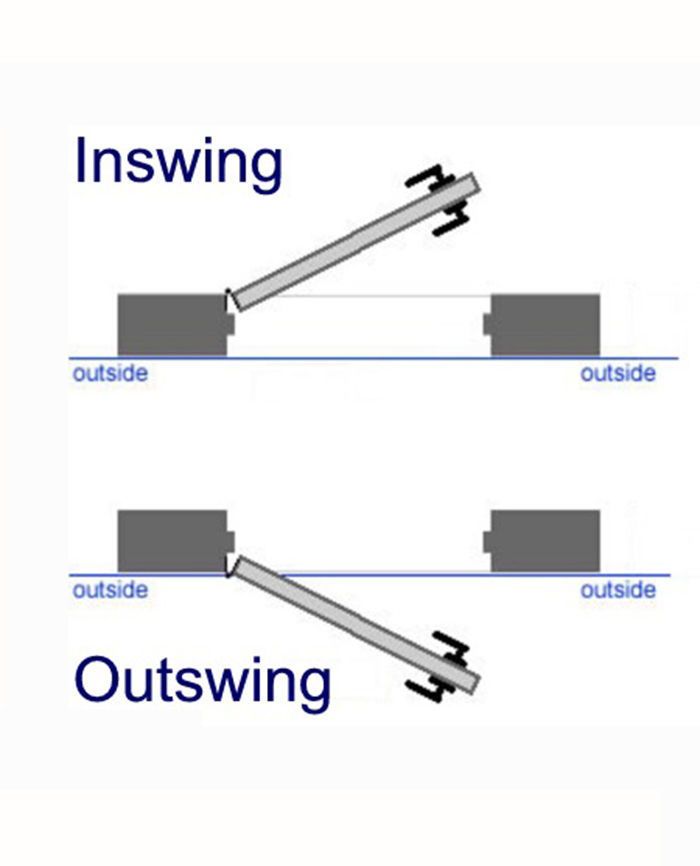
Code And Safety Considerations
Changing a door from inswing to outswing involves more than just hardware adjustments. Code and safety considerations play a key role in this process. These factors ensure the door functions properly and keeps your home secure and protected. Understanding the requirements helps avoid costly mistakes and maintains compliance with local regulations.
Building Code Requirements
Local building codes set rules for door swings to ensure safe exits. Fire codes may require doors to swing in a certain direction for quick escape. In many areas, exterior doors can swing either way if they meet size and clearance rules. Check your city or county codes before making changes. Permits might be necessary to ensure your work is legal and inspected.
Security Implications
Outswing doors can offer better security against forced entry. The hinges are outside, which requires using security hinges to prevent removal. Strong locks and deadbolts are essential for outswing doors. Proper installation reduces gaps and weak points. Consider reinforcing the door frame for added protection. These steps help keep your home safe from intruders.
Weather Resistance
Outswing doors face different weather challenges than inswing doors. Proper weatherstripping is crucial to prevent drafts and water leaks. Choose door materials that resist moisture and swelling. Install a drip edge above the door to divert rainwater. Regular maintenance helps extend the door’s lifespan. These measures keep your home comfortable and dry.
When To Replace Instead Of Retrofit
Changing a door from inswing to outswing is a common home update. Deciding whether to retrofit or replace the door depends on several factors. Sometimes, replacement is the better option. It provides a fresh start and avoids future problems.
Replacing a door is ideal when the frame or door is damaged. Retrofit may not fix underlying issues. Also, if the door design or size needs to change, replacement is easier. Older doors often do not fit modern hardware well. This can make retrofitting difficult and costly.
Choosing replacement over retrofit ensures better fit and function. It also allows for improved energy efficiency and security. Knowing when to replace saves time, money, and effort in the long run.
Benefits Of Pre-hung Outswing Doors
Pre-hung doors come with a frame and hinges attached. They offer several advantages for outswing door projects.
Installation is faster because everything fits together perfectly. The door seals better, preventing drafts and water leaks. This improves energy efficiency inside the home. Pre-hung doors also provide stronger security with modern locks. The door frame and door are built to work as one unit. This reduces problems with warping or misalignment over time. A new pre-hung outswing door can boost curb appeal with fresh style and color options.
Cost And Time Factors
Retrofitting an existing door seems cheaper upfront. It uses the current frame and door. But hidden costs may arise during the process. Modifying the frame to fit new hinges or locks can be tricky. It may require extra labor and materials. This adds to the total expense.
Replacing the door takes more time at first. It involves removing the old door and frame. Still, it often finishes quicker than complex retrofitting. A new door installation lowers future repair needs. It also prevents delays caused by unexpected problems.
Overall, consider the value of long-term savings and durability. Replacement may cost more initially. It can be more cost-effective over time. Time saved and better performance make it worthwhile.
Common Challenges And Solutions
Changing a door from inswing to outswing brings several challenges. These issues often involve the door frame, hardware fitting, and threshold adjustments. Understanding common problems helps you plan for repairs and modifications. Fixing these concerns ensures a smooth door operation and lasting results.
Dealing With Frame Damage
Removing the door and hinges may cause frame damage. Old hinge mortises often remain on the frame side. These gaps can weaken the frame’s structure. Fill damaged areas with wood filler or epoxy. Sand the surface smooth once dry. Reinforce the frame with extra screws or small wood blocks. This prevents future cracks and keeps the door secure.
Adjusting Door Hardware Fit
Outswing doors need hardware repositioning. Hinges and strike plates move to the opposite side. The original lock and handle holes might not align. Use a chisel and drill to adjust these areas. Check the new hardware fits snugly without gaps. Test the door latch and lock several times to confirm smooth operation.
Handling Threshold And Step Issues
Outswing doors change how thresholds and steps meet the door. The existing threshold may block the door swing. Remove or modify it to allow clearance. Steps or landings might need repositioning or rebuilding. Ensure the threshold is weatherproof to stop drafts and water leaks. Proper sealing improves energy efficiency and comfort.
Frequently Asked Questions
How To Change A Door To Open Outwards Instead Of Inwards?
Remove door stops and hinges, flip the door, rehang on the opposite side, reverse lock and latch, then install a new strike plate.
Are Outswing Doors More Expensive?
Outswing doors usually cost slightly more due to stronger frames and weatherproofing needs. Installation can also be pricier.
Is It Against Code To Have An Exterior Door Swing Out?
Exterior doors swinging outward are generally allowed by code in most one- and two-family homes. Codes focus on clear opening size and safety features, not swing direction. Always check local building codes for specific requirements.
Is It Possible To Change Door Opening Direction?
Yes, you can change a door’s opening direction by flipping it, reversing hinges, and adjusting the frame. Consider buying a pre-hung outswing door for easier installation.
Can I Change A Door From Inswing To Outswing Myself?
Yes, you can change it yourself with basic tools like a screwdriver and saw. It involves removing hinges, cutting new mortises, and reinstalling hardware on the opposite side.
Conclusion
Changing a door from inswing to outswing improves space and security. Remember to flip hinges and adjust the frame carefully. Take your time with measurements and hardware placement. This simple change can make your entryway more functional. Always check local codes before starting the work.
A well-done outswing door adds convenience and style to your home. With the right tools and steps, you can complete this project yourself.