
Are you still coughing even after taking benzonatate? It’s frustrating when a medication you trust doesn’t bring the relief you expect.
You might be wondering why benzonatate isn’t working for your cough and what you should do next. Understanding how benzonatate works and why it may fail to stop your cough is key to finding the right solution. You’ll discover common reasons why benzonatate might not be effective for your symptoms and practical alternatives that can help you breathe easier.
Don’t let your cough control your life—read on to learn what you can do now.
Why Benzonatate May Fail
Benzonatate may not work for everyone. Its effectiveness depends on the type of cough and other health factors. Understanding why it fails helps in finding better relief. Some common reasons include the nature of the cough, underlying health issues, and how the medication is taken.
Dry Vs Wet Cough
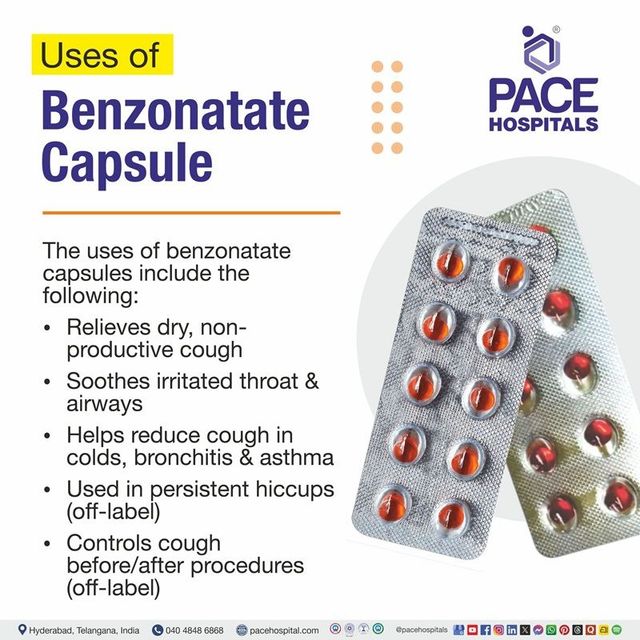
Benzonatate works best for dry, hacking coughs. These coughs do not produce mucus or phlegm. It numbs the throat and lungs to reduce the cough reflex. Wet coughs produce mucus and help clear the airways. Suppressing a wet cough can trap mucus in the lungs. This makes symptoms worse and can cause infections.
Underlying Health Issues
Some health problems cause coughs that benzontate cannot treat. Post-nasal drip, acid reflux, and asthma are common causes. These conditions irritate the throat and airways. Cough suppressants only mask the symptom without fixing the cause. Treating the root cause is necessary for lasting relief.
Incorrect Medication Use
Benzonatate must be swallowed whole. Chewing or sucking on the capsules causes numbness in the mouth and throat. This prevents the medicine from reaching the lungs. The cough reflex will continue because the lungs remain sensitive. Taking the medication incorrectly reduces its effectiveness.
Symptoms Unsuitable For Benzonatate
Benzonatate is designed to calm dry, irritating coughs by numbing the throat and lungs. It does not work well for all cough types. Certain symptoms indicate that this medicine may not be suitable. Knowing these helps avoid ineffective treatment and potential delays in relief.
Choosing the right treatment depends on the nature and cause of the cough. Some coughs require clearing mucus, while others need different medical approaches. Benzonatate may not address these issues properly.
Productive Coughs Needing Mucus Clearance
Coughs that produce mucus or phlegm are called productive coughs. Benzonatate suppresses the cough reflex, which can trap mucus in the lungs. This may worsen congestion and infection risk. Expectorants like guaifenesin help thin and clear mucus safely. Avoid using benzonatate for wet coughs.
Coughs Linked To Post-nasal Drip Or Acid Reflux
Post-nasal drip causes mucus to drip down the throat, triggering cough. Acid reflux irritates the throat and causes a chronic cough. Benzonatate only dulls the cough reflex without treating these underlying causes. Targeted treatments like antihistamines or antacids work better. Suppressing the cough alone may delay healing.
Asthma-related Coughs
Coughing from asthma results from airway inflammation and narrowing. Benzonatate does not reduce inflammation or open airways. Asthma coughs need inhalers or steroids prescribed by a doctor. Using benzonatate may hide symptoms and delay proper asthma care. It is important to treat the root cause in asthma cases.
Effective Medication Alternatives
Finding the right medicine for a cough can be tricky. Benzonatate may not work for every type of cough or cause. Different causes need different treatments. Several alternatives can help relieve cough symptoms effectively. These options target the root causes or help clear mucus. Choosing the right medication can improve comfort and speed recovery.
Expectorants For Mucus Relief
Expectorants like guaifenesin help thin mucus in the lungs. Thinner mucus is easier to cough up and clear. This type of medicine works best for wet or productive coughs. It helps clear congestion and opens airways. Expectorants support the body’s natural way to remove irritants.
Antihistamines And Nasal Sprays
Antihistamines block allergy symptoms that cause post-nasal drip. Post-nasal drip often triggers coughing. Nasal steroid sprays reduce inflammation in nasal passages. These medicines reduce mucus production and soothe irritated tissues. They are ideal for coughs linked to allergies or sinus issues.
Antacids For Acid Reflux
Acid reflux can cause chronic coughing by irritating the throat. Antacids neutralize stomach acid to reduce this irritation. Lowering acid levels helps prevent the cough reflex caused by reflux. Taking antacids with lifestyle changes can ease reflux-related cough. Elevating the head during sleep also reduces reflux symptoms.
Home Remedies For Cough Relief
Home remedies offer gentle ways to soothe a stubborn cough. They support the body’s natural healing without harsh chemicals. Trying simple changes at home can ease cough symptoms and improve comfort.
These remedies focus on keeping the throat moist, reducing irritation, and helping rest. They often work well alongside medication or when medicine does not seem effective. Here are some easy home methods to try for cough relief.
Hydration And Warm Fluids
Drinking plenty of fluids helps thin mucus in the throat and lungs. Warm liquids like tea or broth soothe irritated tissues. Warm fluids also keep the throat moist, which lowers cough triggers.
Water is best for hydration. Avoid cold drinks that may worsen throat irritation. Adding honey or lemon to warm drinks can provide extra relief and comfort.
Using Humidifiers And Steam
Dry air often makes coughs worse. A humidifier adds moisture to the air, easing throat dryness and irritation. Steam from a hot shower or bowl of hot water can also help loosen mucus.
Breathing in steam opens airways and calms cough reflexes. Use a humidifier in your bedroom during sleep for better rest. Keep devices clean to avoid mold or bacteria growth.
Rest And Sleep Positioning
Rest is vital for recovery from illness and coughs. The body heals faster with enough sleep and low stress. Sleeping with the head elevated reduces post-nasal drip and throat irritation.
Use extra pillows to prop your head up. This position helps drain mucus and prevents coughing fits at night. Avoid lying flat, which can worsen cough symptoms and disrupt sleep.
Safety Tips And When To See A Doctor
Using benzonatate safely is key to managing cough symptoms effectively. Knowing the right way to take it, spotting side effects early, and recognizing emergency signs can protect your health. This section covers essential safety tips and guidance on when to seek medical help.
Proper Benzonatate Usage
Swallow benzonatate capsules whole. Do not chew, crush, or dissolve them. Chewing can numb your mouth and throat, causing choking risks. Take the medicine exactly as your doctor prescribes. Avoid taking more than the recommended dose. Store the medication out of reach of children. Keep it in a cool, dry place.
Recognizing Side Effects
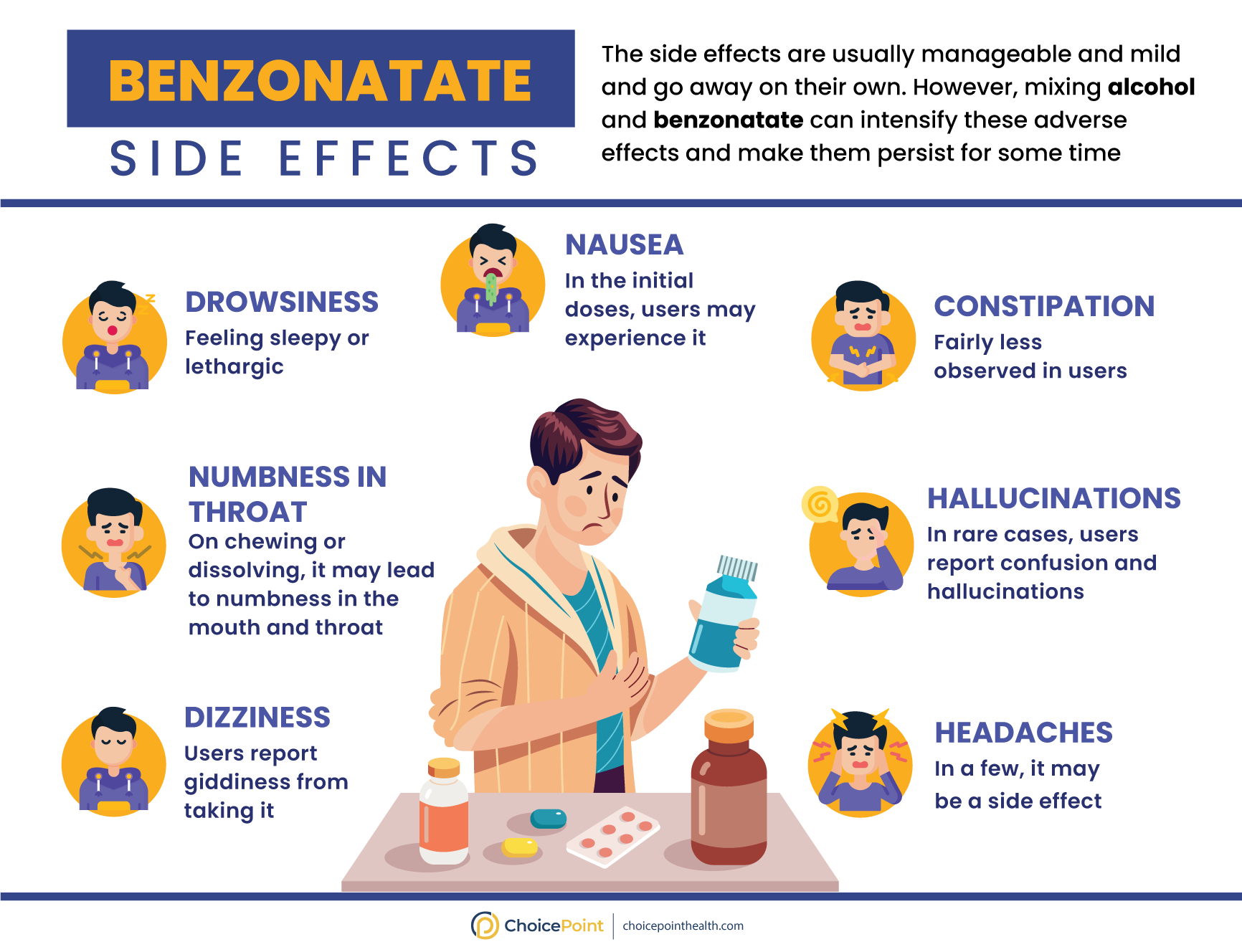
Watch for common side effects like dizziness, drowsiness, or mild nausea. Some may experience numbness in the chest or throat. If these symptoms worsen or last long, inform your doctor. Allergic reactions are rare but serious. Signs include rash, itching, swelling, or difficulty breathing. Seek medical advice promptly if these occur.
Emergency Situations
Call 911 or get emergency help if you notice severe symptoms. These include trouble breathing, chest pain, or intense dizziness. Overdose symptoms include confusion, seizures, or irregular heartbeat. Keep emergency contacts handy. Never hesitate to seek urgent care for sudden or severe reactions.
Comparing Benzonatate With Other Cough Treatments
Choosing the right cough treatment depends on the type and cause of the cough. Benzonatate is one option, but it does not suit every cough. Comparing it with other treatments helps find the best fit for your symptoms. Understanding differences in action, safety, and interactions is key.
Benzonatate Vs Guaifenesin
Benzonatate numbs the airway to stop the cough reflex. It works best for dry, irritating coughs. Guaifenesin thins mucus, making it easier to cough up. This makes guaifenesin better for wet, productive coughs. Using benzonatate for a wet cough can trap mucus in the lungs. Guaifenesin helps clear mucus and soothe the airways. Both have different roles based on cough type.
Non-narcotic Vs Narcotic Options
Benzonatate is a non-narcotic cough suppressant. It does not cause drowsiness or addiction. Narcotic cough medicines, like codeine, reduce cough by acting on the brain. They can cause side effects like sleepiness and dependency. Non-narcotic options are safer for most people. Narcotics may be prescribed only for severe cough when other treatments fail.
Medication Interactions
Benzonatate has few known drug interactions. It is generally safe with most medicines. Guaifenesin also has a low risk of interactions. Narcotic cough medicines can interact with many drugs, increasing side effects. Always inform your doctor about all medicines you take. This prevents harmful interactions and ensures safe treatment.

Frequently Asked Questions
Why Am I Still Coughing After Taking Benzonatate?
You may still cough after taking benzonatate if your cough is wet, caused by underlying issues, or if you misuse the medication. Benzonatate works best for dry coughs and must be swallowed whole to be effective.
What To Take If Benzonatate Doesn’t Work?
Try an expectorant like guaifenesin for productive coughs. Use antihistamines for post-nasal drip and antacids for acid reflux. Stay hydrated, use a humidifier, or take steamy showers to soothe your throat. Consult a doctor if symptoms persist or worsen.
How Long Does It Take For Benzonatate To Work For A Cough?
Benzonatate usually starts working within 15 to 20 minutes after swallowing. It numbs airway receptors, reducing cough reflex quickly.
What Happens If You Take 2 Benzonatate?
Taking two benzonatate pills can cause serious side effects like dizziness, drowsiness, or difficulty breathing. Seek emergency medical help immediately.
Why Am I Still Coughing After Taking Benzonatate?
Benzonatate works best for dry coughs, not wet or mucus-filled coughs. If you have mucus, this medicine may not stop your cough. An underlying condition like asthma or acid reflux could also cause continued coughing.
Conclusion
Benzonatate may not work well for all types of coughs. Dry coughs respond better than wet, mucus-filled ones. It will not fix coughs caused by allergies, acid reflux, or asthma. Taking it incorrectly can also reduce its effect. Try other treatments like expectorants or home remedies for relief.
Always talk to your doctor if the cough lasts or worsens. Do not ignore serious symptoms or misuse medication. Your health and safety come first.