
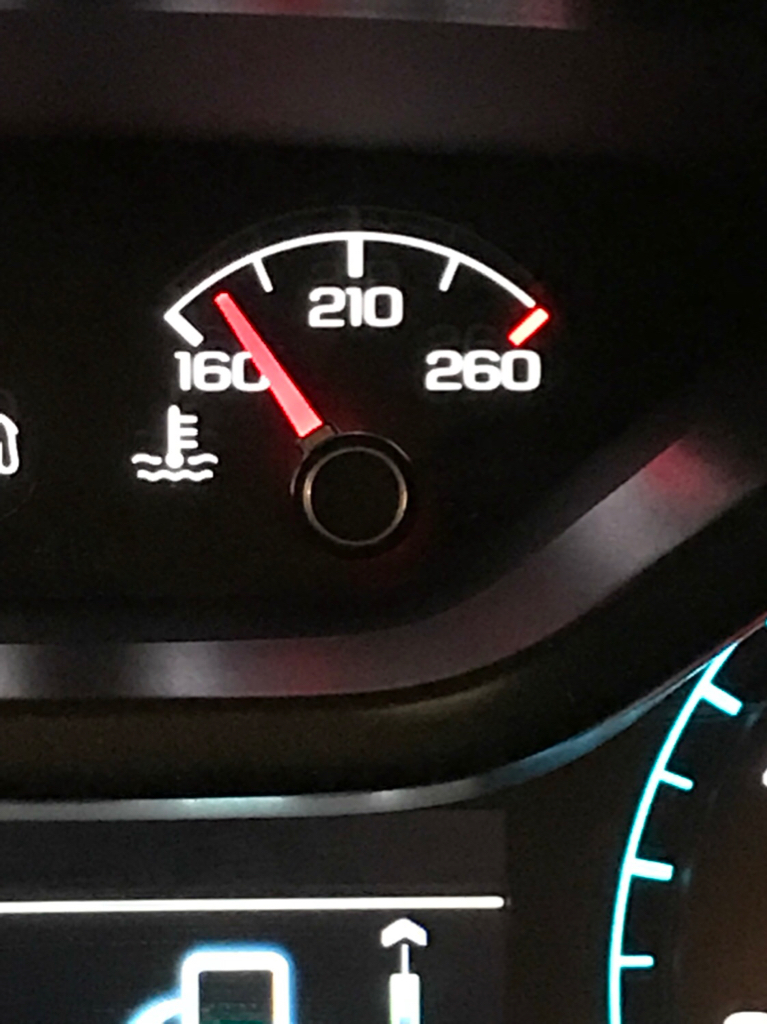
Is your Chevy Colorado’s temperature gauge stuck at the bottom or not moving at all? You’re not alone—and it’s more than just an annoying dashboard glitch.
When your temp gauge stops working, it can leave you guessing whether your engine is running too hot or too cold. This can quickly turn into a serious problem if not fixed. But don’t worry—you don’t have to be a mechanic to understand why this happens or what you can do about it.
You’ll discover the common causes behind a non-working temp gauge and simple steps you can take to get it back to normal. Keep reading to protect your engine and avoid costly repairs down the road.

Quick Hard Reset
A quick hard reset can sometimes fix the Chevy Colorado temp gauge not working. This method resets the vehicle’s computer system. It clears minor glitches and error codes that may cause the gauge to stop working.
This process is simple and does not require special tools. It involves disconnecting and reconnecting the battery, then clearing error codes. This can restore normal gauge function temporarily or even permanently.
Disconnecting The Battery
Start by turning off the engine and all electrical accessories. Locate the negative battery terminal, usually marked with a minus sign (-). Use a wrench to loosen the nut holding the terminal clamp. Remove the clamp from the battery post carefully. Wait at least 10 minutes to let the system fully power down.
Reconnecting The Battery
After waiting, place the negative terminal clamp back onto the battery post. Tighten the nut with the wrench until it is secure. Ensure the connection is tight to avoid poor contact. Close the hood and start the engine. Check if the temperature gauge begins to work properly.
Clearing Error Codes
Use an OBD-II scanner to clear stored error codes from the vehicle’s computer. Plug the scanner into the diagnostic port under the dashboard. Follow the scanner’s instructions to read and erase codes. Clearing these codes can reset the gauge and other warning lights. Turn off the scanner and start the vehicle again to test the gauge.
Coolant Temperature Sensor Issues
The coolant temperature sensor plays a vital role in monitoring your Chevy Colorado’s engine heat. It sends signals to the temperature gauge on your dashboard. When this sensor malfunctions, the temp gauge may stop working or give false readings. This can lead to overheating or engine damage if ignored.
Coolant temperature sensor issues often cause the temp gauge to stay stuck or jump erratically. The sensor might fail to communicate the actual engine temperature to the vehicle’s computer. This causes the cooling fans to run non-stop or the A/C to shut off unexpectedly. Identifying sensor problems early helps prevent costly repairs and keeps your engine running smoothly.
Symptoms Of A Faulty Sensor
A faulty coolant temperature sensor shows clear signs. The temperature gauge may read very high, very low, or not move at all. You might notice the engine cooling fans running constantly, even when the engine is cool. The A/C system may turn off without warning. Sometimes, the engine warning light comes on. Poor fuel economy or rough idling can also indicate sensor trouble.
Replacing The Sensor
Replacing the coolant temperature sensor is a straightforward fix. First, locate the sensor near the engine block or cylinder head. Disconnect the negative battery terminal to avoid electrical shocks. Unplug the sensor’s wiring harness carefully. Use a wrench to unscrew the old sensor. Apply thread sealant on the new sensor before installing it. Screw in the new sensor firmly but avoid over-tightening. Reconnect the wiring harness and battery terminal. Start the engine to check if the gauge works correctly. If the problem persists, consult a professional mechanic.
Thermostat Problems
Air trapped in the cooling system can cause serious issues with the Chevy Colorado temperature gauge. This problem often leads to inaccurate or erratic temperature readings. Air pockets disrupt the coolant flow, preventing the sensor from detecting the correct engine temperature. This causes the gauge to fail or show unusual behavior.
Understanding how air affects the cooling system helps in diagnosing and fixing the gauge problem. Removing trapped air is crucial for proper cooling system function and accurate gauge readings.
How Air Affects The Gauge
Air in the cooling system creates gaps where coolant should flow. These air pockets stop the coolant from reaching the temperature sensor. The sensor then sends wrong data to the gauge. As a result, the temperature gauge may stay low or jump erratically. This misreading can make you think the engine is cooler or hotter than it really is.
Air also causes overheating in some parts of the engine. The coolant can’t cool these spots properly. This overheating can damage engine parts over time. The temperature gauge may not warn you because the sensor is surrounded by air, not coolant.
Bleeding The Coolant System
Bleeding removes trapped air from the cooling system. This process restores proper coolant flow and sensor contact. To bleed the system, first ensure the engine is cool. Open the radiator cap or coolant reservoir carefully.
Start the engine and let it reach normal operating temperature. This allows the thermostat to open and coolant to circulate. Watch for air bubbles escaping from the bleed valve or radiator neck. Keep adding coolant as the level drops. Close the bleed valve once no air bubbles appear.
Check the temperature gauge after bleeding. It should now show accurate readings. Regular bleeding prevents air buildup and keeps the gauge working well. This simple maintenance step improves engine health and avoids costly repairs.
Air In Cooling System
Additional troubleshooting can help find the cause of the Chevy Colorado temperature gauge problem. Sometimes the issue is not the sensor or thermostat. Other parts might cause the gauge to fail. Checking wiring and connections can reveal hidden problems. Inspecting the gauge cluster itself also helps identify faults. These steps add value and accuracy to the repair process.
Checking Wiring And Connections
Start by inspecting the wiring related to the temperature gauge. Look for broken, loose, or corroded wires. These can stop signals from reaching the gauge. Use a multimeter to test the wires for continuity. Check the connectors at the sensor and the dashboard. Clean any dirty or rusty terminals. Tighten any loose connections to ensure a solid link. Damaged wires should be repaired or replaced to restore proper function.
Inspecting The Gauge Cluster
The temperature gauge cluster itself can cause problems. Over time, dust or moisture can damage the internal parts. Remove the cluster and check for signs of wear or corrosion. Test the gauge with a known good signal to see if it moves correctly. Faulty gauges may need cleaning or replacement. Sometimes the cluster’s circuit board has bad solder joints. Resoldering these connections may fix the gauge without full replacement.
Additional Troubleshooting Tips
The temperature gauge in a Chevy Colorado is crucial for monitoring engine heat. Sometimes, simple fixes do not solve the problem. Knowing when to seek professional help can save you time and prevent engine damage. Professionals have tools and knowledge to diagnose and repair complex issues. This section explains key situations that require expert attention.
Persistent Gauge Malfunctions
When the temperature gauge continues to show incorrect readings, do not ignore it. Repeated malfunctions may signal deeper electrical or sensor problems. A professional mechanic can test the coolant temperature sensor and gauge wiring thoroughly. They can pinpoint hidden faults and recommend the right repair. Persistent issues affect engine safety and should be checked promptly.
Complex Cooling System Repairs
The cooling system in a Chevy Colorado involves many parts working together. Problems like a stuck thermostat, damaged radiator, or coolant leaks need expert handling. These repairs require special tools and skills. Professionals can flush the system, replace faulty parts, and ensure proper coolant flow. Attempting complex fixes without knowledge may cause more damage.
Frequently Asked Questions
What Causes Your Temperature Gauge To Stop Working?
A temperature gauge stops working due to a faulty coolant temperature sensor, stuck thermostat, or trapped air in the cooling system. Replacing the sensor, fixing the thermostat, or bleeding air from the coolant system usually restores proper gauge function.
How Much Does It Cost To Replace A Temperature Sensor On A Chevy Colorado?
Replacing a temperature sensor on a Chevy Colorado typically costs between $100 and $250. Labor and parts prices vary by location and service provider.
What Is The Most Common Problem With The Chevy Colorado?
The most common problem with the Chevy Colorado is a faulty engine coolant temperature (ECT) sensor. It causes the temperature gauge to stop working and cooling fans to run constantly.
How To Reset Car Temperature Gauge?
To reset a car temperature gauge, disconnect the negative battery terminal for a few minutes. Reconnect it to reset the vehicle’s computer and clear error codes. This often restores gauge function temporarily. For persistent issues, check or replace the coolant temperature sensor, thermostat, or bleed trapped air from the cooling system.
Why Is My Chevy Colorado Temperature Gauge Not Working?
A faulty coolant temperature sensor often causes the gauge to stop working. Other reasons include a stuck thermostat or trapped air in the cooling system.
Conclusion
A Chevy Colorado temp gauge not working can signal cooling system issues. Check the coolant temperature sensor, thermostat, and air in the system. Simple resets may help temporarily but don’t fix the root problem. Replacing faulty parts ensures accurate temperature readings and protects your engine.
Keep an eye on your gauge to avoid overheating or engine damage. Staying proactive saves time and money in the long run. Take care of your truck, and it will take care of you.