
Is your dryer shutting off before your clothes are fully dry? This common and frustrating problem can stop your laundry routine cold and leave you wondering what’s wrong.
When your dryer keeps shutting off mid-cycle, it’s usually trying to protect itself—and your home—from damage. But that doesn’t make it any less annoying for you. You might be dealing with clogged vents, a faulty thermal fuse, dirty moisture sensors, or even a worn-out motor.
These issues can cause your dryer to overheat, stop unexpectedly, or think your clothes are dry when they’re not. The good news is, many of these problems are easy to check and fix yourself. Keep reading to find simple, step-by-step tips that will help you diagnose why your dryer keeps shutting off and how to get it running smoothly again. Don’t let a temperamental dryer throw off your day—take control now and save time, money, and stress.
Credit: agoodapplianceguy.com
Common Causes
A dryer that keeps shutting off often signals an underlying issue. Identifying the common causes helps fix it quickly. Several parts in your dryer can stop it mid-cycle to prevent damage or hazards.
Below are some usual reasons for this problem. Each cause affects the dryer’s performance and safety differently. Understanding them helps you troubleshoot effectively.
Clogged Vents
Blocked vents limit airflow inside the dryer. This causes overheating, making the dryer shut off to avoid fire risks. Lint buildup in the vent or duct reduces air circulation. Check the lint trap, exterior vent flap, and duct hose for blockages. Clean them regularly to keep the dryer running smoothly.
Faulty Thermal Fuse
The thermal fuse protects the dryer from overheating. If it fails, the dryer stops working immediately. A blown fuse often means the dryer got too hot due to vent blockage or motor issues. Testing and replacing the thermal fuse can restore dryer function and prevent further damage.
Dirty Moisture Sensor
Dryers with sensor dry settings use moisture sensors to detect wetness. Dirt or residue on these sensors tricks the dryer into thinking clothes are dry. This causes early shutoff with damp clothes left inside. Clean the metal sensor strips inside the drum regularly. Use a soft cloth with mild soap to remove buildup.
Bad Drive Motor
The drive motor powers the drum and blower fan. If it overheats or fails, the dryer will stop mid-cycle. A worn motor may cause the dryer to shut off to protect itself. Listen for unusual noises or check if the drum stops turning. Replacing the motor is often necessary to fix this issue.
Broken Door Latch
The dryer will not run if the door latch is broken or loose. The machine detects the door must be closed tightly. A faulty latch interrupts the cycle and powers down the dryer. Inspect the latch for damage or misalignment. Repairing or replacing the door latch ensures the dryer stays on during use.
Airflow Issues
Airflow issues often cause a dryer to shut off unexpectedly. When air cannot move freely, the dryer overheats. Overheating triggers a safety mechanism that stops the machine. Proper airflow keeps the dryer running smoothly and safely.
Several parts affect airflow in a dryer. Lint buildup is a common problem that blocks air movement. The exterior vent can also get clogged with debris. The vent duct behind the dryer might be crushed or filled with lint. Checking these areas helps maintain good airflow and prevents shutdowns.
Emptying The Lint Filter
Start by emptying the lint filter after every load. A full lint filter blocks air from circulating. Cleaning the filter improves drying efficiency and lowers the risk of overheating. Use your hand or a soft brush to remove lint completely. Do not forget this simple step.
Checking The Exterior Vent
Check the exterior vent outside your home. The vent flap should open freely when the dryer runs. Remove any leaves, dirt, or nests blocking the vent. A blocked vent stops hot air from escaping. Clear the vent to restore proper airflow.
Inspecting The Vent Duct
Disconnect the vent duct behind the dryer. Look inside for lint buildup or obstructions. Make sure the duct is not crushed or bent. Kinks reduce airflow and cause the dryer to overheat. Clean out any lint and straighten the duct for better air movement.
Sensor Problems
Sensor problems often cause a dryer to shut off unexpectedly. These sensors detect moisture levels in the clothes. If sensors fail, the dryer may think clothes are dry too soon. This leads to early shutdowns and damp laundry.
Dirty or faulty sensors confuse the dryer’s system. They send incorrect signals, stopping the cycle prematurely. Understanding sensor issues helps fix the problem fast.
Location Of Moisture Sensors
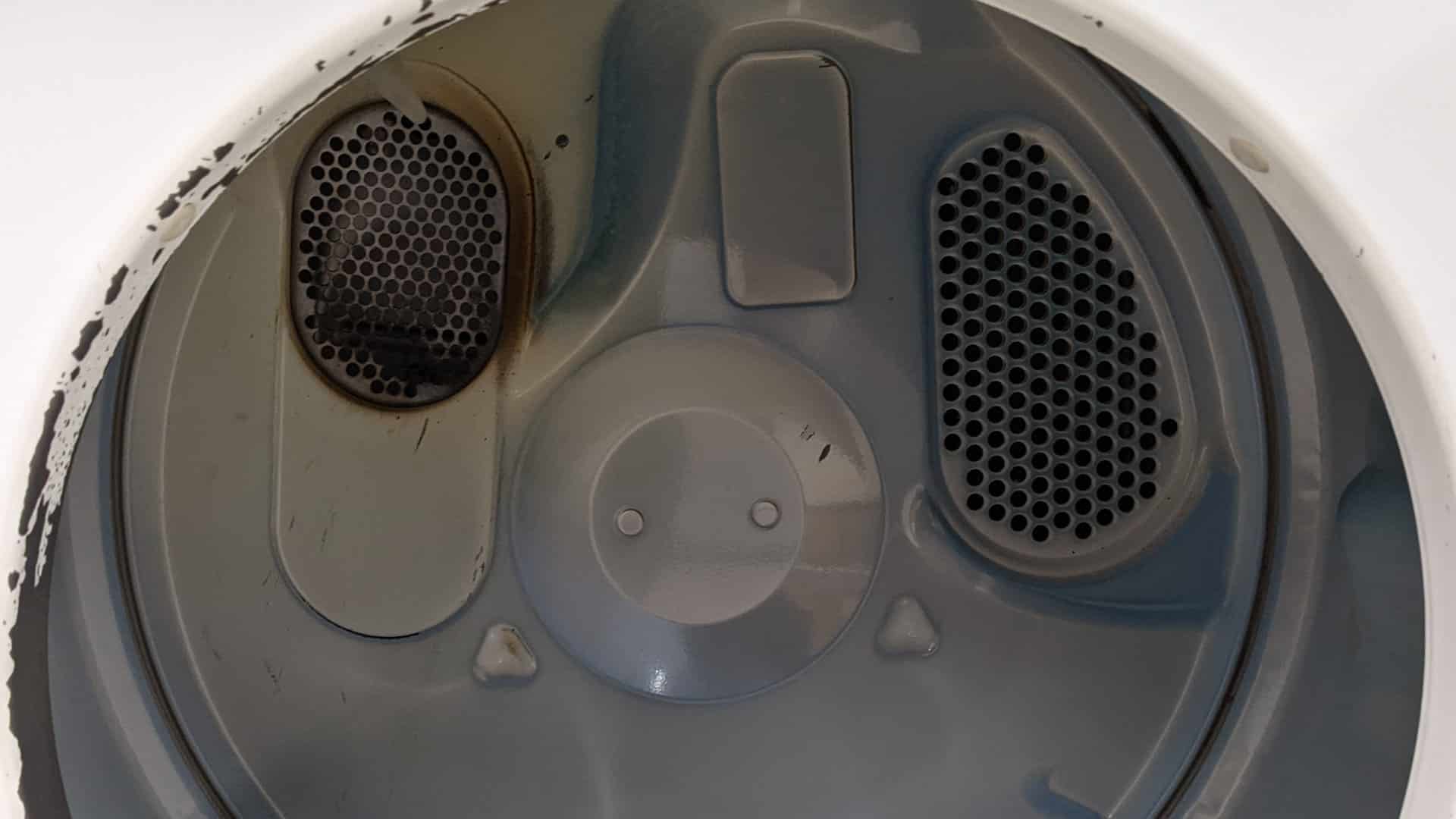
Moisture sensors are inside the dryer drum. Usually, they appear as two small metal strips. These strips are near the lint filter housing. They touch the clothes to measure wetness. Proper contact helps the dryer run the right time.
Cleaning Sensor Buildup
Over time, sensors gather residue from fabric softener and dryer sheets. This buildup blocks sensor readings. Clean sensors gently with fine-grit sandpaper or a soft cloth. Wipe away all deposits for clear sensing. Clean sensors prevent premature dryer shutdowns.
Thermal Fuse Checks
The thermal fuse is a key safety part in your dryer. It stops the dryer if it gets too hot. If the dryer keeps shutting off, the thermal fuse might be blown. Checking this fuse helps find the problem fast.
Testing the thermal fuse is simple. It takes just a few tools and a little time. You can do it yourself to save money on repairs. Follow these steps to check and fix the fuse.
Locating The Thermal Fuse
First, unplug the dryer for safety. The thermal fuse is usually near the blower housing or heating element. Open the dryer’s back panel. Look for a small, white or silver rectangular part with two wires attached.
Check your dryer’s manual if you have trouble finding it. The fuse is often on the exhaust path to sense heat properly.
Testing With A Multimeter
Remove the wires from the thermal fuse. Set your multimeter to the continuity setting. Touch the probes to the fuse terminals. A good fuse shows a reading or beep.
No reading means the fuse is blown. It cannot protect your dryer now. Replace it to fix the shutting off issue.
Replacing A Blown Fuse
Buy a new thermal fuse that matches your dryer’s model. Attach the wires to the new fuse terminals. Secure the fuse in its place.
Put the dryer’s panel back on. Plug in the dryer and test it. The dryer should run without shutting off if the fuse was the problem.
Motor Overheating
The dryer’s motor works hard to turn the drum and dry clothes. Over time, the motor can overheat. This causes the dryer to shut off to protect itself from damage. Understanding motor overheating helps fix the problem quickly. It also stops repeated shutdowns during drying cycles.
Signs Of Motor Issues
Listen for strange noises like humming or grinding. The dryer may stop suddenly or not start at all. Clothes might take longer to dry. The drum could turn slowly or jerk while spinning. These signs suggest the motor struggles and may overheat.
Testing Motor Continuity
Unplug the dryer before testing. Use a multimeter to check motor continuity. Remove the motor wires and place the probes on the motor terminals. A continuous beep or reading means the motor winding is intact. No reading means the motor has an open circuit and likely needs repair or replacement.
When To Replace The Motor
Replace the motor if it overheats often or shows no continuity. Motors with burned smells or visible damage also need replacement. A new motor ensures the dryer runs smoothly and safely. It prevents future shutdowns caused by overheating.
Credit: atoz1.com
Door Switch Problems
The door switch plays a vital role in your dryer’s operation. It ensures the door is fully closed before the dryer starts. When the switch fails, the dryer may keep shutting off unexpectedly. This issue often arises from worn parts or electrical faults within the door mechanism.
Identifying door switch problems early helps avoid repeated interruptions. This section covers how to check the door latch and test the door safety switch to keep your dryer running smoothly.
Checking Door Latch Condition
Start by examining the door latch closely. Look for any cracks, breaks, or signs of wear. A damaged latch may not hold the door securely closed. This causes the dryer to think the door is open and shut off as a safety measure.
Press the latch manually to see if it moves freely. If it feels loose or stuck, it might need replacement. Clean any dirt or debris around the latch that could block its movement. A well-functioning latch ensures the door switch can activate properly.
Testing Door Safety Switch
The door safety switch signals the dryer to run only when the door is closed. To test it, first unplug the dryer for safety. Locate the switch near the door frame inside the dryer cabinet.
Use a multimeter to check for continuity. Press the switch and observe the reading. No continuity means the switch is faulty and needs replacement. A working switch completes the circuit and allows the dryer to operate.
Regular testing of the door safety switch prevents sudden shutdowns. It also protects you from potential accidents by stopping the dryer if the door opens during use.
Quick Fix Tips
When your dryer keeps shutting off, quick fixes can save time and hassle. These simple tips address common problems that cause interruptions. Try these easy steps before calling a technician. They often solve the issue fast.
Clearing Lint Buildup
Lint buildup blocks airflow and causes the dryer to overheat. Start by emptying the lint trap after every load. Remove the lint from the filter screen carefully.
Next, check the vent hose behind the dryer. Detach it and clear any lint or debris inside. Also, inspect the exterior vent outside your home. Make sure the flap opens freely and no blockages exist.
Regular cleaning helps prevent overheating and shutting off. It also reduces fire risks and improves drying performance.
Adjusting Dryer Settings
Incorrect dryer settings can cause early shutoff. The “Sensor Dry” option senses moisture and may stop too soon. This leaves clothes damp and the dryer off.
Try switching to the “Timed Dry” setting instead. It runs for a fixed time regardless of moisture. This avoids premature stopping caused by faulty sensors.
Also, make sure to select the proper heat level for your load. Too low heat may extend drying time and trigger safety shutoffs.
Using Official Replacement Parts
Using genuine parts keeps your dryer running safely and efficiently. Replacement parts from the manufacturer fit perfectly and last longer. Non-official parts may not work properly or cause further problems.
When replacing sensors, thermal fuses, or motors, always choose authorized components. This prevents damage and avoids warranty issues.
Check the model number on your dryer before ordering parts. Confirm compatibility to ensure smooth repairs.
Fire Hazard Prevention
Preventing fire hazards in dryers is crucial for home safety. Dryers that shut off repeatedly might signal airflow problems or overheating. Taking steps to prevent these hazards protects your home and family. Regular maintenance reduces risks and ensures your dryer runs safely.
Importance Of Vent Inspection
Dryer vents carry hot air and moisture outside your home. Blocked or clogged vents trap heat inside the dryer. This buildup can cause the dryer to overheat and shut off suddenly. Regular vent inspections catch lint buildup and blockages early. Cleaning vents improves airflow and prevents fire hazards. Check vents at least once a year or more if you use the dryer often.
Signs Of Potential Dryer Fire
Watch for unusual signs that may indicate fire risk in your dryer. A burning smell during or after use is a serious warning. Excessive heat or hot surfaces on the dryer can mean clogged vents. Frequent shutting off mid-cycle often signals overheating. Sparks or smoke near the dryer require immediate attention. Spotting these signs early helps avoid dangerous fires.
Credit: www.youtube.com
Frequently Asked Questions
How Do You Fix A Dryer That Keeps Shutting Off?
Clean the lint filter and vents to prevent overheating. Check and replace a faulty thermal fuse or drive motor. Clean moisture sensors to avoid premature shutoff. Ensure the door latch and switch work correctly to maintain power during cycles.
What Are The Warning Signs Of A Dryer Fire?
Warning signs of a dryer fire include a burning smell, excessive heat, smoke, sparks, or unusual noises during operation. Stop using the dryer immediately and unplug it if any of these signs occur.
How Much To Repair A Dryer Sensor?
Repairing a dryer sensor typically costs between $100 and $250, including parts and labor. Prices vary by model and location.
Why Won’t My Dryer Stay Running?
Your dryer may shut off due to clogged vents, a faulty thermal fuse, dirty moisture sensors, or a bad drive motor. Check lint filters, vent ducts, door latch, and clean sensor strips to fix common issues. Overheating motors or safety switches can also cause shutdowns.
Why Does My Dryer Keep Shutting Off Mid-cycle?
A dryer shuts off mid-cycle to avoid overheating. Common causes include clogged vents, a faulty thermal fuse, or a bad motor. Cleaning vents and checking parts often solves the issue.
Conclusion
A dryer that keeps shutting off often signals a safety response to overheating. Check for lint buildup and blocked vents first. Clean or replace the lint filter regularly to improve airflow. Inspect sensor strips inside the drum and clean them gently if needed.
Test the thermal fuse for damage and replace it if necessary. Taking these simple steps can help your dryer run smoothly again. Stay safe by addressing issues early and keeping your dryer well maintained.