
Are you tired of your dusk to dawn light bulb acting up at the worst times? Maybe it won’t turn on at night, or it stays lit all day, wasting energy and driving up your bill.
These problems can be frustrating, especially when you expect your outdoor lighting to work automatically, without you having to lift a finger. The good news? Most dusk to dawn light bulb problems have simple fixes that you can try yourself.
You’ll discover why your bulb might be blinking on and off, why it refuses to shut off during daylight, or why it stays dark even when it should be shining bright. By the end, you’ll have practical solutions to get your lights working smoothly again—saving you time, money, and hassle. Keep reading to find out how to troubleshoot and fix your dusk to dawn lighting issues once and for all.
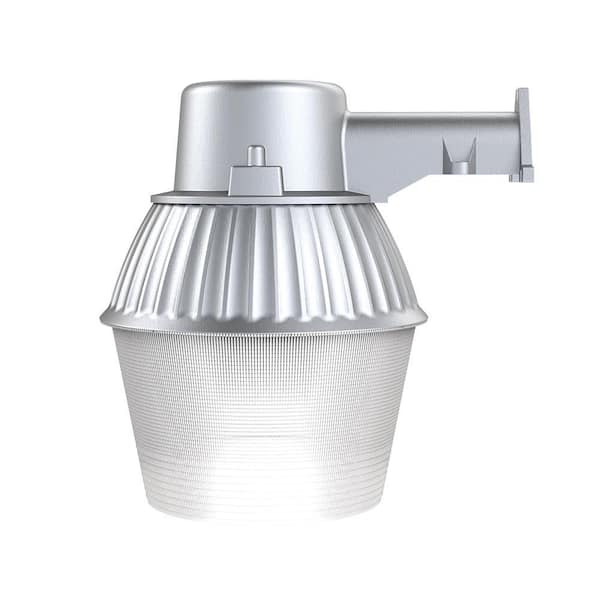
Common Sensor Issues
Dusk to dawn light bulbs rely on sensors to detect light levels. These sensors tell the bulb when to turn on or off. Common sensor issues cause bulbs to behave oddly or fail. Understanding these problems helps in quick troubleshooting.
Sensors often face issues from their environment or internal faults. Dirt, reflections, or damage can confuse them. This leads to flickering, staying on during the day, or not turning on at night.
Sensor Triggered By Reflections
Bright reflections can trick the sensor into thinking it is daytime. Light bouncing off windows, walls, or shiny surfaces causes this. The bulb may turn off even when it is dark outside. This creates a blinking or flickering effect.
Adjust the sensor’s position to avoid reflections. Angling the bulb away from reflective surfaces helps. Covering part of the sensor with tape also reduces false triggers.
Blocked Or Dirty Sensor
Dirt, dust, or objects blocking the sensor stop it from working correctly. The bulb may stay on during daylight or not turn on at night. Outdoor elements like spider webs or leaves often cause this blockage.
Clean the sensor gently with a soft cloth. Remove any obstructions around the sensor area. Regular cleaning keeps the sensor clear and responsive.
Faulty Sensor Or Bulb
A damaged sensor or bulb can cause persistent problems. Faults inside the sensor may prevent it from detecting light properly. The bulb may remain on constantly or fail to turn on at dusk.
Replace the bulb to see if the problem continues. If issues persist, the sensor or the fixture might need professional repair or replacement.
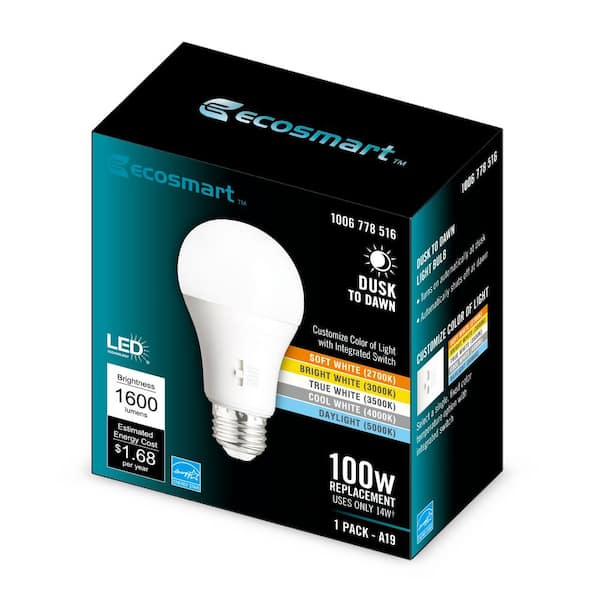
Power And Switch Problems
Power and switch problems often cause dusk to dawn light bulbs to malfunction. These issues stop the bulb from turning on or off as expected. Checking the power source and switch settings helps find the cause quickly. Fixing these problems restores the automatic function of the light bulb.
Light Switch Turned Off
Dusk to dawn bulbs need the light switch to stay on. Turning the switch off cuts power to the bulb. The sensor cannot work without electricity. Many people forget to check the switch first. Make sure the switch remains in the “on” position for proper operation. This simple check can solve many problems.
Gfi Outlet And Wiring Concerns
GFI outlets sometimes cause dusk to dawn bulbs to fail. These outlets protect against electrical faults. They may trip and cut power if wiring has issues. Loose or damaged wiring can also stop the bulb from working. Inspect the outlet and wiring for any signs of damage. Reset the GFI outlet if it has tripped. Call an electrician if wiring looks faulty.
Bulb Performance Issues
Bulb performance issues often cause frustration with dusk to dawn light bulbs. These problems affect how well the bulb works and how long it lasts. Understanding common issues helps in finding quick solutions.
Many performance problems relate to the sensor or the bulb’s design. Sometimes the bulb flickers or dies too fast. Other times, the bulb stays on during the day. Both problems reduce the bulb’s usefulness and waste energy.
Bulb Flickering Or Dying Quickly
Bulb flickering happens when the sensor detects conflicting light signals. This causes the bulb to turn on and off repeatedly. Flickering shortens the bulb’s lifespan and wastes power.
Reflection from nearby surfaces can confuse the sensor. White walls, glass, or metal surfaces reflect light back to the sensor. The bulb thinks it is daytime and switches off, then on again when it gets dark.
Fix this by moving the sensor or angling the bulb away from reflective surfaces. Covering part of the sensor with painter’s tape can also help. Using bulbs designed for your fixture type improves performance and life.
Bulb Staying On During Daytime
When the bulb stays on during daylight, the sensor often faces a problem. Dirt or dust on the sensor blocks light detection. The sensor thinks it is dark and keeps the bulb on.
Another cause is a blocked or poorly placed sensor. Enclosed fixtures or shaded areas can stop the sensor from seeing daylight. This leads to the bulb running all day and wasting energy.
Clean the sensor gently with a soft cloth to remove dirt. Check if the sensor is exposed to natural light. Reposition the bulb or replace it with one suited for enclosed fixtures if needed.
Installation And Placement Tips
Proper installation and placement play a big role in preventing dusk to dawn light bulb problems. Correct setup helps the sensor work accurately. It also extends the bulb’s lifespan. Follow simple tips to get the best results from your lighting.
Avoiding Reflective Surfaces
Do not place dusk to dawn bulbs near shiny or reflective surfaces. Light bouncing off glass, metal, or white walls confuses the sensor. This causes the bulb to turn on and off repeatedly. Keep the bulb away from windows and mirrors. Use a small cover to block direct reflections from reaching the sensor.
Proper Fixture Selection
Choose fixtures designed for dusk to dawn bulbs. Enclosed fixtures trap light and heat, affecting the sensor’s performance. Open or semi-open fixtures allow natural light to reach the sensor clearly. This helps the bulb detect daylight and darkness properly. Check the fixture’s specifications before installation.
Positioning For Optimal Sunlight
Place the bulb where it can sense natural light without obstruction. Avoid shaded areas or spots blocked by trees or buildings. The sensor needs direct access to the sky to work well. Position the light high enough to prevent shadows. This ensures the bulb turns on at dusk and off at dawn as expected.
Easy Fixes And Maintenance
Easy fixes and regular maintenance keep your dusk to dawn light bulbs working well. Many common problems happen because of dirt, sensor issues, or bulb failure. Simple steps can save time and money while improving light performance.
Cleaning sensors, adjusting sensitivity, and replacing parts are easy tasks. These actions help the light respond correctly to day and night changes. Regular care stops flickering, false triggers, or lights staying on all day. Follow these tips to keep your lighting smooth and reliable.
Cleaning The Sensor
Dirt and dust block the sensor’s view of daylight. Wipe the sensor gently with a soft cloth. Use mild soap and water if needed, but avoid harsh chemicals. Clean sensors detect light changes better and stop false on/off cycles. Check the sensor every few months or after storms.
Using Tape To Adjust Sensor Sensitivity
Sometimes the sensor reacts to unwanted light sources nearby. Cover part of the sensor with a small piece of electrical or painter’s tape. This reduces its sensitivity without damaging the bulb. Test the light after taping to ensure it turns on and off at the right times. Adjust tape placement if needed.
Replacing Bulbs And Sensors
Old bulbs lose efficiency and may flicker or stay on. Replace the bulb with the same type and wattage. If the sensor itself is faulty, buy a compatible replacement sensor. Follow the manufacturer’s instructions for safe removal and installation. Proper replacement restores automatic control and bright lighting.

Credit: www.amazon.com
Testing And Troubleshooting
Testing and troubleshooting dusk to dawn light bulb problems help find the root cause quickly. These bulbs rely on sensors to detect natural light. Faulty sensors or connections often cause issues. Simple tests can confirm if the problem is with the bulb or installation. Follow clear steps to check the sensor and wiring. This ensures the light works correctly at night and turns off during the day.
Sensor Cover Test
Cover the sensor completely with opaque tape or a small cloth. This simulates darkness. If the bulb turns on, the sensor works. If not, the sensor may be faulty or dirty. Clean the sensor gently with a soft cloth. Avoid harsh chemicals that damage the sensor. Retest after cleaning. Repeat if needed. A working sensor reacts quickly to light changes. Adjust or replace the bulb if the sensor fails.
Checking Electrical Connections
Turn off power before inspecting wiring. Loose or damaged connections cause flickering or no light. Check the socket for corrosion or dirt. Tighten any loose wires carefully. Use a voltage tester to ensure power reaches the bulb. Inspect the fixture for water damage or wear. Replace damaged parts to prevent shorts or failures. Secure all connections before restoring power. Test the bulb again to confirm the fix.
Frequently Asked Questions
Why Is My Dusk To Dawn Bulb Not Working?
Your dusk to dawn bulb may not work due to a dirty or blocked sensor, a turned-off switch, or a faulty bulb. Clean the sensor, ensure the switch stays on, and test the bulb by covering the sensor with tape to identify the issue.
Do I Leave The Light Switch On For Dusk To Dawn Light?
Yes, leave the light switch on for dusk to dawn lights. The sensor controls on/off automatically. Turn off the switch only to replace or service the bulb.
Where Is The Sensor On A Dusk To Dawn Light Bulb?
The sensor on a dusk to dawn light bulb is usually a small photocell located near the bulb’s base or on its surface. It detects ambient light levels to turn the bulb on at dusk and off at dawn automatically.
Why Is My Dusk To Dawn Bulb Staying On?
Your dusk to dawn bulb stays on because its sensor is dirty, blocked, or receiving reflected light. Clean or reposition the sensor to fix this.
Why Is My Dusk To Dawn Light Bulb Blinking On And Off?
Blinking often happens when the sensor detects light from nearby reflections. Move or cover the sensor slightly to stop the blinking. Avoid pointing the sensor at windows or shiny surfaces.
Conclusion
Dusk to dawn light bulbs offer great convenience but can face common issues. Dirt, sensor placement, and fixture type often cause problems. Simple cleaning or adjusting the sensor usually solves most troubles. Avoid placing bulbs where reflections confuse the sensor.
Check the bulb and wiring if lights stay off or on. Regular care keeps your dusk to dawn lights working smoothly and brightening your space automatically.