
Many people find themselves facing a common problem: their garage door will not close or open because the sensor thinks something is in the way. These garage door sensors are safety devices. They prevent accidents, especially with children or pets. But sometimes, the sensors can malfunction. Maybe a leaf, a spider web, or a misalignment makes your garage door stop working. In some cases, you may need to bypass the sensor to close your door temporarily until you can fix it properly.
Bypassing a garage door sensor is not something to take lightly. Safety should always come first. However, understanding how the sensors work, when bypassing is necessary, and how to do it safely can help you in emergencies. This guide will walk you through everything: how the sensors function, why you might need to bypass them, different methods, and the risks involved. You’ll also learn some helpful tips and what not to do.
Let’s get started with a clear, step-by-step approach, so you can solve your garage door sensor problem the right way.
Understanding Garage Door Sensors
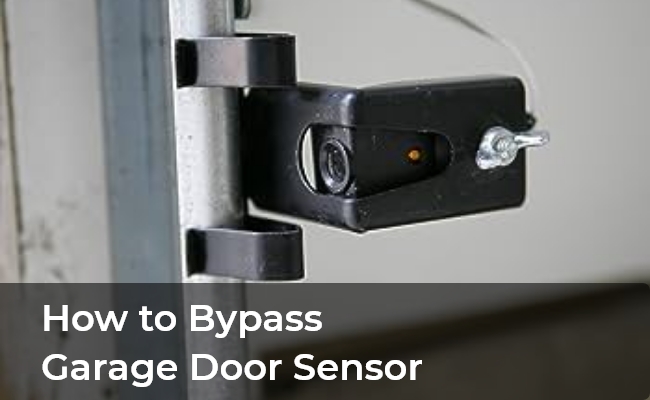
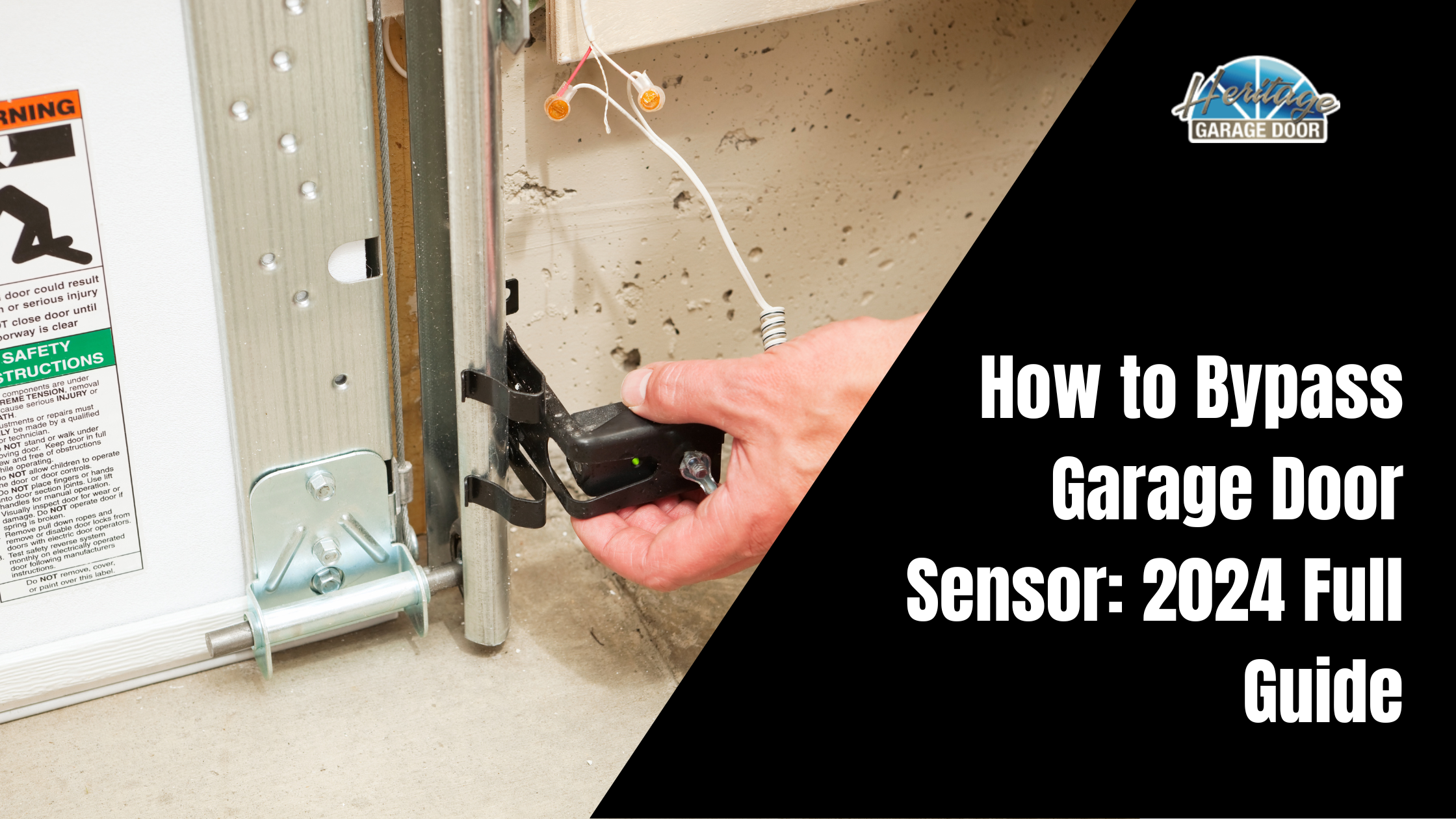
Before you try to bypass anything, it’s important to know how garage door sensors work. These small devices are usually found near the bottom of each side of your garage door. They use an infrared beam that goes from one side to the other. If something breaks the beam, the door will not close. This helps protect people, pets, and cars from getting crushed.
Main Types Of Garage Door Sensors
There are a few types, but most modern garage doors use a photoelectric sensor system. Here’s a quick look at the most common types:
| Sensor Type | How It Works | Common Use |
|---|---|---|
| Photoelectric (Infrared) | Sends a beam across door opening; door won’t close if beam is broken | Most homes since 1993 |
| Pressure Sensor | Detects resistance when door closes on object | Some older models |
| Optical Sensor | Uses a camera to detect objects | High-end commercial doors |
Nearly all residential garage doors now use the photoelectric sensor system. This is the focus of this guide.
Why Do Sensors Malfunction?
Garage door sensors can stop working for many reasons:
- Dirt or debris on the lens
- Misalignment from vibration or bumps
- Direct sunlight interfering with the beam
- Wiring problems or loose connections
- Physical damage from tools or vehicles
Often, cleaning or adjusting the sensor fixes the problem. But sometimes, a deeper issue means you must bypass it to use your garage door.
Is It Safe Or Legal To Bypass Garage Door Sensors?
This is the question you should ask before doing anything. Garage door sensors are there to prevent injuries and accidents. In the United States, since 1993, the law (UL 325 standard) requires all automatic garage doors to have these safety sensors. Disabling or removing them permanently is not safe and could even make your home insurance invalid.
Bypassing the sensor should only be a temporary solution. For example, if your door is stuck open and you need to close it for the night, you might bypass the sensor until a repair can be done. Always plan to fix or replace the sensor as soon as possible.
Important: Never bypass the sensor if children or pets are nearby. If you do bypass it, watch the door closely and make sure nothing is in the way.
When Should You Bypass A Garage Door Sensor?
There are only a few situations where bypassing makes sense:
- Emergency Security: Your garage door won’t close, and you need to secure your home.
- Sensor Failure: You’ve cleaned and realigned the sensors, but the door still won’t work.
- Testing: You’re troubleshooting the garage door opener with the power off.
- Temporary Use: You need to get your car out and will fix the sensor right after.
Never bypass the sensor as a permanent fix. If you find yourself needing to bypass the sensor often, it’s time for a professional repair.
Basic Troubleshooting Before Bypassing
Before bypassing, try these steps. Many problems are simple and don’t require bypassing.
- Clean the Sensors: Wipe the sensor lenses gently with a soft cloth.
- Check for Obstructions: Make sure nothing is blocking the sensors, even a spider web.
- Align the Sensors: Both sensors usually have a small LED light. If one is off or blinking, adjust the sensor until both are solid.
- Check Wiring: Look for loose wires or connections. Make sure no wires are cut or frayed.
- Test Door Movement: Try opening and closing the door again.
If your sensors still do not work, then you can consider bypassing.
Methods To Bypass Garage Door Sensor
There are several ways to bypass a garage door sensor, but each comes with risks. Here are the most common methods, explained step by step.
1. Manual Override Using Emergency Release
This is the safest way to use your garage door when the sensors are not working.
Steps:
- Locate the emergency release cord. This is usually a red cord hanging from the garage door opener rail.
- Pull the cord down and away from the door. This disconnects the door from the opener.
- You can now lift and close the garage door by hand.
Pros: Safe, does not damage sensors, no electrical work needed
Cons: The door will not lock automatically, and it may be heavy
Tip: Always make sure the door is balanced before lifting.
2. Temporary Sensor Alignment (the “tape Trick”)
If you need to close the door just once, you can “fake” sensor alignment.
Steps:
- Take both sensors off their brackets (if possible).
- Hold them facing each other at close range.
- Use tape or a zip tie to secure them together, so the beam is uninterrupted.
- Try closing the garage door with the remote.
Pros: Quick, easy, reversible
Cons: Only works if sensors are not damaged
Insight: Some people miss that bright sunlight can interfere with the sensor. If your garage faces west, try shading the sensors when doing this.
3. Bypassing Sensor Wires At The Opener
If the sensors are broken or missing, you can create a “bypass” at the opener’s wiring panel.
Warning: This method is not recommended for beginners. It involves electrical components and can void your opener’s warranty.
Steps:
- Turn off power to the garage door opener.
- Find the two wires leading from the sensors to the opener. Usually, they are white and black or white and red.
- Remove the wires from the terminals labeled “Sensor” or “Safety.”
- Insert a small jumper wire (a short piece of wire) between the sensor terminals.
- Turn the power back on and test the door.
Pros: Works if sensors are missing
Cons: Not safe, should be temporary only
Non-obvious insight: Some newer openers detect a bypass and will not operate. Check your opener’s manual before trying this.
4. Using A Bypass Switch
Some people install a switch to connect/disconnect the sensor circuit. This is more common in commercial settings.
Steps:
- Cut the sensor wires near the opener.
- Connect the wires to a simple on/off switch.
- When you need to bypass, flip the switch to connect the circuit.
Pros: Reusable, can be hidden
Cons: Requires basic wiring skills, not recommended for homes with children
Tip: Always label the switch clearly to avoid confusion.
5. Software Override (smart Garage Openers)
A few smart garage door openers allow you to override the sensor temporarily through an app or control panel.
Steps:
- Open the garage door app or wall control panel.
- Look for a “bypass” or “override” setting.
- Activate the override to close the door.
Pros: No physical work, safer than wire bypass
Cons: Only on newer models, may require PIN or admin access
Statistic: According to a 2023 survey, about 18% of new garage door openers now include some form of smart override.
6. Removing The Sensors Entirely
This is not recommended. Removing the sensors will make your door unsafe and may break the opener.
Steps:
- Disconnect power to the opener.
- Remove sensors from brackets and wires.
- Try closing the door.
Result: Most openers will not work at all without sensors. Some older models may close, but this is dangerous.
Insight: Many people think removing sensors will fix the problem, but it usually creates more issues.
Comparison: Sensor Bypass Methods
To help you choose the best method for your situation, here’s a comparison:
| Method | Difficulty | Safety | Time Needed | Best For |
|---|---|---|---|---|
| Manual Override | Very Easy | Safe | 1-2 min | All users |
| Tape Trick | Easy | Fair | 2-5 min | Temporary use |
| Wiring Bypass | Hard | Unsafe | 5-10 min | Advanced users |
| Switch | Medium | Unsafe | 10-20 min | Commercial |
| Smart Override | Very Easy | Safe | 1 min | Smart openers |
Risks Of Bypassing Garage Door Sensors
Bypassing a garage door sensor is never 100% safe. Here’s what you need to know:
- Injury Risk: The door can close on people, pets, or objects.
- Property Damage: Cars, bikes, or tools may get crushed.
- Legal Issues: Disabling safety devices may violate local codes or insurance policies.
- Warranty Void: Modifying the system can void the manufacturer’s warranty.
- Opener Damage: Some openers can be damaged if run without sensors.
Non-obvious insight: Insurance companies may deny claims for accidents if they find you bypassed a safety sensor.
How To Restore Your Garage Door Sensor
After you bypass the sensor and close your door, plan to restore the sensors as soon as possible.
Steps:
- Reconnect any wires or sensors you removed.
- Check the alignment—both sensor lights should be on.
- Test the door with a small box under it to make sure it reverses direction.
- Clean the area to prevent future problems.
If the sensor still doesn’t work, it’s time to call a professional.

When To Call A Professional
If you’ve tried everything and the sensor problem remains, it’s best to get expert help. A trained technician can:
- Diagnose electrical or mechanical issues
- Replace broken sensors or wiring
- Adjust opener settings for safety
- Advise on upgrading your opener if needed
Statistic: According to HomeAdvisor, the average cost to repair a garage door sensor is $75–$150 in the US.
Preventing Future Sensor Problems
A little maintenance can save you a lot of trouble. Here’s how to keep your sensors working well:
- Clean Lenses Monthly: Dust, dirt, and cobwebs are common causes of false errors.
- Check Alignment Quarterly: Doors vibrate, which can misalign sensors over time.
- Protect From Sunlight: Install shades or shields if direct sunlight hits the sensors.
- Secure Wiring: Make sure wires are not loose or exposed.
- Test Safety Feature: Place a roll of paper towels under the door and close it. The door should reverse.
Tip: Keep the area around sensors clear of lawn tools, bikes, or toys.
Common Mistakes When Bypassing Garage Door Sensors
Even with the best intentions, people make mistakes. Here are some to avoid:
- Leaving the sensor bypassed: Always reconnect or fix as soon as possible.
- Using the wrong wires: Mixing up wires can cause opener failure.
- Not turning off power: Always cut power before touching wires.
- Ignoring safety: Never let children play near a bypassed door.
Practical example: A homeowner bypassed their sensor for weeks, and their child’s bike was crushed when the door closed. A simple fix could have prevented the damage.
Upgrading Your Garage Door System
If your sensors fail often, it may be time for an upgrade. Modern garage door openers have better safety features, smart controls, and more reliable sensors.
Advantages of upgrading:
- Improved safety: Newer sensors are less likely to give false errors.
- Smart controls: Close your door from your phone, even if you’re not home.
- Battery backup: Some models work during power outages.
- Quieter operation: New openers are much quieter.
Tip: Look for openers that meet the latest UL 325 safety standard.
For more on garage door opener safety, you can check this Consumer Reports guide.
Quick Reference: Do’s And Don’ts
Here’s a summary for fast decision-making:
Do’s:
- Try cleaning and aligning sensors first
- Use manual release for emergencies
- Reconnect sensors as soon as possible
- Supervise the door when bypassed
Don’ts:
- Don’t leave the system bypassed
- Don’t cut wires unless you know what you’re doing
- Don’t allow children near the bypassed door
- Don’t ignore repeated sensor problems
Cost Comparison: Sensor Repair Vs. Bypass
To help you plan, here’s a cost comparison:
| Action | Estimated Cost | Time Needed | Long-Term Impact |
|---|---|---|---|
| Clean/Realign Sensors | $0 | 5–10 min | Safe, effective |
| Temporary Bypass | $0–$5 | 5–15 min | Unsafe if left long-term |
| Professional Repair | $75–$150 | 30–60 min | Safe, warranty intact |
| Opener Replacement | $200–$500 | 2–4 hours | Best long-term |
Practical advice: Spending a little on repair now often saves much more in the long run.
Frequently Asked Questions
What Causes Garage Door Sensors To Stop Working?
The most common causes are dirt on the lens, misalignment, wiring problems, or sunlight interference. Sometimes, a sensor is physically damaged by a bump or water.
Can I Permanently Bypass Garage Door Sensors?
No, it is not safe or legal to permanently bypass garage door sensors. They are required by law for safety. Only bypass temporarily in emergencies, and restore the system as soon as possible.
How Can I Tell If My Garage Door Sensor Is Broken?
If one or both sensor lights are off or blinking, or your door won’t close even after cleaning and aligning the sensors, you may have a broken sensor. Try swapping sensors (if possible) to see if the problem follows the sensor.
Will My Garage Door Opener Work Without Sensors?
Most modern openers will not operate if sensors are missing or disconnected. Some older models may still work, but this is unsafe and not recommended.
How Much Does It Cost To Fix Or Replace Garage Door Sensors?
Most repairs cost $75–$150 when done by a professional. Replacing sensors yourself can cost $20–$50 for parts.
Bypassing a garage door sensor should always be a last resort. With the right knowledge, you can handle an emergency and keep your home secure. But remember, safety must come first. Restore your sensors or call a professional as soon as possible. Your garage door is one of the largest and heaviest moving objects in your home—never take shortcuts when it comes to safety.