
When it comes to framing your deck or floor, you might be wondering whether to use joist hangers or simply rest your joists on a beam. This choice isn’t just about how things look—it affects the strength, height, and cost of your structure.
You want a solution that offers solid support without eating up headroom or blowing your budget. You’ll discover the key differences between joist hangers and resting joists on beams. By the end, you’ll know which method fits your project best, helping you build safer, smarter, and with confidence.
Keep reading to avoid common mistakes and make the right choice for your next build.
Joist Hangers Basics
Joist hangers provide strong support for joists in wood framing. They hold the joist firmly to a beam or ledger board. This method prevents joists from resting directly on the beam surface. Joist hangers help distribute weight evenly and improve structural stability. Understanding the basics of joist hangers is key before choosing between hangers or resting joists on beams.
Types Of Joist Hangers
Joist hangers come in several types. Face mount hangers attach to the beam’s side. Top mount hangers support joists from above. Skewed hangers fit angled joists. Adjustable hangers allow small size changes. Each type suits specific framing needs and angles.
Materials And Coatings
Most joist hangers are made of steel for strength. Galvanized steel resists rust and weather damage. Stainless steel hangers work well in wet or coastal areas. Some hangers have a zinc coating to protect against corrosion. Choosing the right material extends hanger life and keeps wood safe.
Installation Essentials
Proper installation is crucial for safety. Use nails or screws recommended by the hanger maker. Avoid using regular nails not designed for hangers. Align joists correctly to ensure full contact inside the hanger. Secure all nail holes to prevent movement. Improper installation weakens support and risks failure.
Resting Joists On Beams
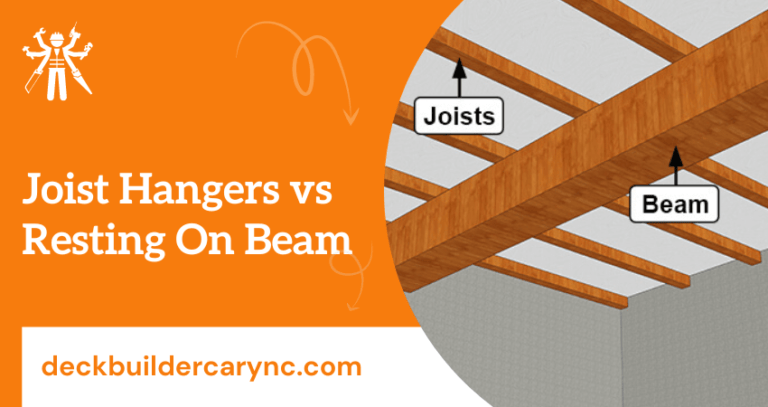
Resting joists on beams is a classic technique in construction. This method places the joists directly on top of the supporting beams. It creates a strong connection and has been trusted for many years. Understanding this method helps in choosing the right framing style for your project.
Traditional Framing Method
This method uses a simple, straightforward approach. Joists rest directly on the beam’s upper edge. Builders secure them with nails or screws. No special hardware like joist hangers is needed. This style suits many wood-frame buildings and decks. It relies on the beam’s strength to support the joists.
Beam And Joist Interaction
The beam carries the load from the joists above. Joists transfer weight to the beam by resting on it. The beam then spreads this load to the posts or walls. This interaction forms a stable framework. Proper alignment is key to ensure even load distribution. The beam must be wide and strong enough to hold all joists safely.
Space Considerations
Placing joists on top of beams increases the structure’s total height. This can affect ceiling clearance or overall design height. It may not be ideal in tight spaces or low ceilings. Joist hangers allow joists to attach to the beam’s side. This keeps the height lower and saves space. Choosing between these methods depends on your space limits and design goals.
Strength Comparison
Comparing joist hangers and resting joists on beams involves evaluating their strength differences. Strength plays a vital role in the safety and durability of any structure. Both methods support joists but differ in load handling and floor stability. Understanding these distinctions helps in making the right choice for your project.
Load Distribution
Joist hangers distribute weight evenly across the beam’s face. This spreads the load and reduces stress on any single point. Resting joists directly on beams creates a concentrated load at the contact area. This can cause localized pressure and potential damage over time. Joist hangers provide a more uniform load transfer. This helps prevent beam deformation and increases overall strength.
Structural Stiffness
Joist hangers increase structural stiffness by securely fastening joists to beams. This connection limits movement and flexing under load. Resting joists on beams without hangers allows slight shifting and settling. This can weaken the frame and reduce stiffness. Using hangers results in a tighter structure that resists bending. The improved stiffness contributes to a stronger and longer-lasting floor system.
Impact On Floor Stability
Joist hangers improve floor stability by holding joists firmly in place. This prevents joists from twisting or sliding over time. When joists rest on beams, they rely on friction and fit for stability. This method may allow minor joist movement, causing squeaks or uneven floors. Joist hangers lock the joists, reducing the risk of floor bounce or sagging. The result is a more stable and comfortable floor surface.
Headroom And Space Impact
Choosing between joist hangers and resting joists on beams affects the available headroom and overall space. This choice influences ceiling height, crawl space needs, and design options. Understanding these impacts helps create comfortable and practical spaces.
Ceiling Height Effects
Joist hangers allow joists to attach to the side of beams. This arrangement lowers the total height of the floor structure. Lower floor height means more ceiling height below. Resting joists on top of beams raises the floor level. This setup reduces the ceiling height in the room below. For spaces with limited height, joist hangers offer better headroom.
Crawl Space Requirements
Crawl spaces need enough clearance for access and maintenance. Joist hangers create a thinner floor profile. This design can reduce the height needed in the crawl space. Resting joists on beams increases the floor thickness. It may require a taller crawl space. Builders should consider this when planning crawl space dimensions. Joist hangers help maintain lower crawl space heights.
Design Flexibility
Joist hangers provide more design options. They allow joists to be placed at various heights. This flexibility supports unique architectural designs. Resting joists on beams limits placement to the beam top. It restricts structural layout choices. Using joist hangers can help fit joists in tight spaces. It also enables smoother integration with other building elements.
Cost Factors
Cost factors play a key role in choosing between joist hangers and resting joists on beams. Understanding these costs helps plan a budget and avoid surprises. Each option has distinct expenses related to materials, labor, and maintenance. These differences can affect the total project cost significantly.
Material Expenses
Joist hangers require metal brackets and specific fasteners. These materials add to the upfront cost. Resting joists on beams uses less hardware, lowering material expenses. Wood quality and size for beams impact costs for both methods. Metal hangers may need special coatings for treated wood, increasing prices.
Labor And Installation Time
Installing joist hangers takes more time and skill. Precise measurements and nail placement are essential. This can raise labor costs. Resting joists on beams is faster and simpler. Workers spend less time installing and aligning joists. Less labor time often means lower overall installation costs.
Long-term Maintenance
Joist hangers require regular checks for corrosion or loosening. Metal parts may need replacement over time. Resting joists on beams can face wood wear or rot issues. Maintenance depends on wood treatment and exposure to elements. Both methods need upkeep but differ in maintenance type and cost.
Common Installation Mistakes
Installing joist hangers or resting joists on beams may seem straightforward. Yet, common mistakes can weaken the structure. These errors reduce safety and shorten the lifespan of decks and floors. Avoiding simple installation errors ensures strong, lasting support.
Wrong Fasteners
Using the incorrect fasteners is a frequent error. Joist hangers require specific nails or screws. Fasteners that are too short or thin will not hold the hanger securely. Avoid using drywall screws or ordinary nails. Only use fasteners approved by the hanger manufacturer. This ensures proper load support and prevents loosening over time.
Incorrect Hanger Sizes
Choosing the wrong hanger size leads to poor fit and weak joints. Hangers must match the joist and beam dimensions exactly. Oversized hangers leave gaps and allow movement. Undersized hangers cause the joist to not seat properly. Measure carefully before purchasing. Correct sizing provides tight connections and better load distribution.
Misalignment Issues
Misaligned hangers cause uneven weight distribution and stress points. Joists must sit flush inside the hanger without gaps. The hanger should be straight and level on the beam. Twisted or tilted hangers reduce their strength. Check alignment with a level and adjust before nailing. Proper alignment ensures the structure stays stable and safe.
Compatibility With Treated Lumber
Compatibility with treated lumber is a key factor in choosing between joist hangers and resting joists on beams. Treated lumber contains chemicals to resist rot and insects. These chemicals can react with metal connectors, causing corrosion. Understanding how each method works with treated wood helps ensure a safe, long-lasting structure.
Corrosion Risks
Joist hangers made of galvanized steel may corrode when in contact with treated lumber. The chemicals in treated wood, especially newer formulas, can cause rapid rusting. Resting joists on beams reduces the amount of metal-to-wood contact. This lowers the chance of corrosion and structural damage over time.
Barrier Requirements
Metal connectors must have a protective barrier when used with treated lumber. A plastic or rubber barrier can prevent direct contact. This stops chemical reactions that cause rust. Installing barriers adds a small step but greatly improves durability. Resting joists on beams may avoid barrier use altogether since less metal touches the wood.
Alternative Materials
Using stainless steel or coated connectors is an option. These materials resist corrosion better than standard galvanized steel. Some builders prefer stainless steel hangers for treated lumber projects. Another choice is composite or wood-only connections. These avoid metal corrosion risks but may require different installation methods.
Pros And Cons Summary
Choosing between joist hangers and resting joists directly on beams affects your project’s strength and style. Each method offers unique benefits and challenges. Here is a clear summary of their pros and cons.
Advantages Of Joist Hangers
Joist hangers provide strong, secure support for joists. They prevent joists from shifting or twisting over time. Installation is usually quicker and more precise. Joist hangers allow for lower deck heights by attaching joists to the side of beams. They work well in tight spaces where joists cannot rest on top. Metal hangers resist weather and pests better than wood.
Advantages Of Resting On Beam
Resting joists on beams offers a traditional, simple approach. This method uses fewer metal parts, reducing overall cost. It allows easy inspection of joist ends for damage. Resting joists directly on beams provides natural support and stability. Installation requires basic carpentry skills and tools. It suits projects where height is not a concern.
Drawbacks Of Each Method
Joist hangers can corrode if not compatible with treated wood. Improper installation may weaken the connection. They sometimes require more precise measurements and hardware. Resting joists on beams can raise the deck height, affecting design. Wood joists exposed to moisture at the beam may rot faster. This method may need larger beams for support.
Choosing The Right Method
Choosing the right method for supporting joists is crucial for a strong and durable structure. The decision between using joist hangers or resting joists directly on a beam depends on several factors. Each method has its strengths and fits different construction needs. Understanding these factors helps in making the best choice for your project.
Project Requirements
Consider the type and size of your project first. Joist hangers work well for projects that need precise alignment and extra support. They allow joists to be attached to the side of a beam, saving vertical space. Resting joists on a beam suits projects where height is not a limitation. This method also simplifies installation and can handle heavy loads effectively.
Environmental Factors
Think about the environment where the structure will stand. Moisture and weather conditions impact the choice. Joist hangers made of galvanized steel resist rust and corrosion in wet climates. Resting joists on beams might expose wood to more direct moisture, risking rot. Proper treatment and maintenance are needed to protect wood in these cases.
Budget Considerations
Costs play a major role in choosing the method. Joist hangers add to the material cost but reduce labor time due to easier installation. Resting joists on beams may lower material costs but require more precise cutting and fitting. Balance your budget with project complexity to select the most cost-effective option.
Best Practices For Stronger Decks
Building a strong deck requires careful attention to how joists connect to beams. Choosing between joist hangers and resting joists directly on beams influences your deck’s durability. Following best practices ensures your deck remains safe and sturdy for years.
Proper Installation Techniques
Use the right type of joist hangers for your lumber. Check that hangers fit snugly around joists to avoid movement. Fasten hangers with recommended nails or screws only. Avoid mixing nail types as this weakens connections. Align joists precisely with hangers to maintain structural integrity. When resting joists on beams, ensure full surface contact for even load distribution. Avoid gaps that can cause joist twisting or sagging.
Regular Inspections
Inspect your deck yearly for signs of wear or damage. Look for rust or corrosion on metal hangers. Check for loose or missing fasteners and tighten them promptly. Examine wood for rot, cracks, or warping near connections. Address minor issues quickly to prevent larger problems. Keep the deck clean to avoid moisture buildup that causes wood decay. Inspections help catch potential failures before they worsen.
Upgrading Existing Decks
Replace old or damaged joist hangers with new, corrosion-resistant models. Upgrade fasteners to stainless steel or coated nails for longer life. Add additional hangers to support weak or overloaded joists. Consider sistering joists by attaching new boards alongside old ones. Improve beam support by reinforcing with steel plates or extra posts. Upgrading strengthens your deck and increases safety without full rebuilds.

Frequently Asked Questions
Why Can’t You Use Joist Hangers With Treated Lumber?
Joist hangers can corrode when used with treated lumber due to chemical reactions. Use corrosion-resistant hangers or a barrier.
What Is The Most Common Mistake Made When Installing Joist Hangers?
The most common mistake is using the wrong nails or screws not designed for joist hangers. Missing nails and improper alignment also cause issues.
Do Joists Have To Sit On Top Of Beam?
Joists do not have to sit on top of a beam. Joist hangers allow joists to attach to the beam’s side, saving headroom. Resting joists on beams increases structural stiffness but raises floor height. Choose based on space, cost, and design needs.
How Much Stronger Are Joist Hangers?
Joist hangers increase joist connection strength by up to 50% compared to resting joists directly on a beam.
What Is The Difference Between Joist Hangers And Resting On Beam?
Joist hangers support joists by attaching to the beam’s side. Resting on beam means joists sit directly on top of the beam. Each method affects structure height and load distribution.
Conclusion
Choosing joist hangers or resting joists on a beam affects structure strength and height. Joist hangers offer strong, secure connections and save vertical space. Resting joists on beams is simpler and may suit heavier loads. Consider your project needs, budget, and building codes.
Both methods work well if installed correctly. Proper installation ensures safety and durability. Always use recommended nails or screws. Understanding these options helps build a stable, lasting deck or floor.