
Is your outdoor outlet suddenly not working? It’s frustrating when you’re ready to power up your tools, plug in holiday lights, or charge devices outside, only to find no electricity at all.
But don’t worry—you’re not alone, and the fix might be simpler than you think. Many outdoor outlet problems come down to common issues like a tripped GFCI or a breaker that needs resetting. You’ll learn exactly how to troubleshoot your outdoor outlet step-by-step, so you can get it working safely and quickly.
Keep reading to regain control over your outdoor power and avoid costly repairs or hazards.
Common Causes
Outdoor outlets often stop working due to a few common issues. Understanding these causes helps fix the problem fast. Safety is key when dealing with outdoor electricity. Always check basic issues first before calling a professional.
Tripped Gfci Outlets
GFCI outlets protect against electrical shocks. They often trip when they detect a fault. This cuts power to the outdoor outlet. Look for a reset button on the GFCI outlet. Pressing it can restore power quickly. Sometimes, a nearby GFCI inside the house controls the outdoor outlet.
Circuit Breaker Issues
Circuit breakers prevent overloads by shutting off power. A breaker may trip due to a surge or fault. Check your breaker box for any switches off or in the middle. Flip the breaker fully off, then back on. This often restores power to the outdoor outlet.
Water Damage And Moisture
Outdoor outlets face rain, snow, and humidity. Water can enter the outlet and cause damage. Moisture may short the circuit or trip the GFCI. Inspect the outlet cover for cracks or missing seals. Replace damaged covers and dry the area thoroughly.
Faulty Outlets
Old or worn outlets can fail over time. Loose wiring or internal damage causes power loss. Test the outlet with a voltage tester for power. If power is present but the outlet does not work, replacement may be necessary. Hiring an electrician is best for safe repairs.

Locating Gfci Outlets
Locating GFCI outlets is the first step in fixing a non-working outdoor outlet. GFCI outlets protect against electrical shocks by shutting off power when they detect a fault. These outlets can be outside or inside your home. Knowing where to find them helps restore power quickly.
Many outdoor outlets rely on a GFCI to function properly. If the GFCI trips, the outdoor outlet loses power. Finding and resetting the GFCI often solves the problem without needing an electrician.
Outdoor Gfci Identification
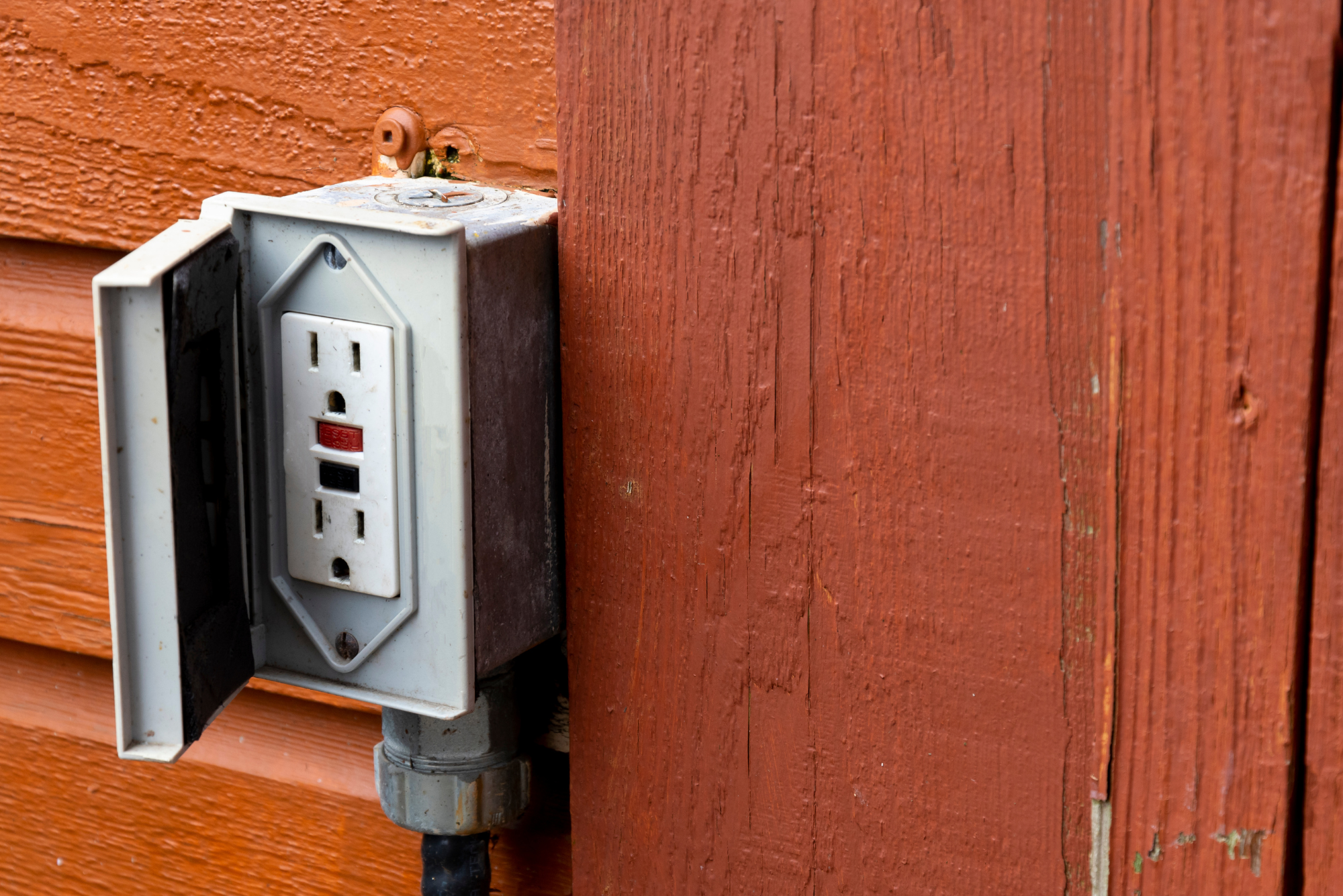
Outdoor GFCI outlets look like regular outlets but have two buttons. One is labeled “Test,” and the other says “Reset.” They are usually weatherproof and covered by a plastic lid. These covers protect the outlet from rain and dirt.
Check any outlet near your outdoor area that matches this description. Press the “Reset” button if it has popped out. This action can restore power to the outdoor outlet immediately.
Hidden Indoor Gfcis
Some GFCI outlets are indoors but control outdoor outlets. Common places include garages, basements, or utility rooms. These outlets also have “Test” and “Reset” buttons but may not be obvious at first glance.
Look near your main electrical panel or in rooms connected to the outdoor circuit. Resetting these indoor GFCIs can fix the outdoor outlet problem without extra work.
Checking Nearby Rooms
GFCI outlets may control multiple rooms or outdoor areas. Check all rooms close to the outdoor outlet, such as bathrooms, kitchens, or laundry rooms. These rooms often have GFCI protection due to moisture risks.
Press the “Reset” button on any GFCI outlet found in these rooms. This step may restore power to your outdoor outlet if it shares the same circuit.
Resetting Gfci Outlets
Resetting GFCI outlets is a common fix for outdoor outlets that stop working. GFCI stands for Ground Fault Circuit Interrupter. It protects you by cutting power when it detects electrical faults. Outdoor outlets often have GFCI built in for safety.
When a GFCI outlet trips, it stops electricity flow. You can restore power by resetting it. This process is simple and does not need special tools.
Using The Reset Button
Look closely at your outdoor outlet. You will see two small buttons, usually labeled “Test” and “Reset.” The reset button is often red or black. Press it firmly until you hear a click.
Pressing the reset button restores power to the outlet and all outlets connected to it. Sometimes, a GFCI outlet trips due to moisture or a power surge. Resetting solves this easily.
After pressing reset, check if your outdoor devices work. If power returns, the problem is fixed. If not, move to the next step.
When Resetting Fails
If the reset button does not stay in or power does not return, the GFCI outlet may be faulty. It might need replacement. Also, check your circuit breaker to ensure it is not tripped.
Moisture or dirt inside the outlet can cause failure. Make sure the outlet is dry and clean before resetting. If problems persist, call a qualified electrician for safety.
Inspecting Circuit Breakers
Inspecting circuit breakers is a key step when an outdoor outlet stops working. Circuit breakers protect your home by cutting power in case of electrical faults. Checking them can quickly reveal if a breaker has tripped, causing the outlet to lose power.
Start by locating your electrical panel. It is often found in the garage, basement, or utility room. Open the panel door and look for any breakers that are not fully in the “on” position. A breaker might be in the middle or switched off, indicating it has tripped.
Finding The Right Breaker
Each breaker controls power to specific areas or outlets in your home. Labels inside the panel can help you find the breaker for your outdoor outlet. If the labels are missing or unclear, try resetting breakers one by one to see which affects the outlet.
Focus on breakers marked for outdoor circuits, patios, or garden areas. Identifying the correct breaker saves time and helps avoid unnecessary resets of unrelated circuits.
Proper Breaker Reset Technique
Resetting a breaker requires care. First, switch the breaker fully to the “off” position. Pause for a few seconds. Then, flip it back to the “on” position firmly until it clicks.
This process clears the trip and restores power. Avoid forcing the breaker if it does not stay on, as this may signal a deeper electrical issue. In such cases, contacting a professional electrician is safer.
Testing And Replacing Outlets
Testing and replacing outdoor outlets is key to restoring power safely. It helps identify if the outlet itself is faulty or if the issue lies elsewhere. Simple tests can show whether the outlet needs replacement. Knowing the signs of a bad outlet prevents further electrical problems. Replacing an outdoor outlet is straightforward with the right tools and safety steps.
Power Testing Methods
Use a voltage tester or multimeter to check power at the outlet. Insert the tester probes into the outlet slots carefully. A reading near 120 volts means power is present. No reading means no power or a bad outlet. Test the circuit breaker box if no power is found. Some outlets have a built-in GFCI reset button to check as well.
Signs Of A Bad Outlet
Outlets that feel warm or burn slightly need replacement. Cracks or damage on the outlet cover are warning signs. Loose outlets that move when you plug in devices are unsafe. Sparks or popping sounds during use mean immediate replacement is required. If the outlet does not reset after a GFCI trip, it may be faulty.
Replacing Outdoor Outlets
Turn off power at the main breaker before starting. Remove the outlet cover and unscrew the outlet carefully. Disconnect the wires, noting their original positions. Attach the wires to the new outlet matching the terminals. Screw the outlet back into the box and replace the cover. Turn the power back on and test the new outlet for proper function.
Preventing Future Problems
Preventing future problems with outdoor outlets saves time and money. Outdoor outlets face harsh weather and frequent use. Taking simple steps keeps them working longer and safer.
Waterproof Covers
Use waterproof covers to protect outdoor outlets. These covers keep rain, snow, and dirt away. They prevent moisture from causing short circuits or corrosion. Choose covers designed for outdoor use. Make sure they close tightly around plugs. This stops water from entering even when cords are connected.
Regular Maintenance Tips
Check outdoor outlets regularly for damage or wear. Look for cracks, rust, or loose parts. Clean the outlet cover and area around it. Remove dirt and debris that can trap moisture. Test the GFCI reset button often to ensure it works. Replace any damaged parts quickly. Regular care avoids bigger problems later.
Using Outdoor-rated Equipment
Always use equipment made for outdoor use. Outdoor-rated cords and plugs resist weather better than indoor types. They prevent electrical faults and fires. Avoid cheap or indoor-only gear outside. Look for labels that say “outdoor use” or “weather resistant.” Using the right equipment keeps your outdoor outlets safe and reliable.

Safety Precautions
Working on an outdoor outlet requires careful attention to safety. Electricity can be dangerous. Taking proper precautions reduces the risk of injury or damage. Follow these safety steps before attempting any repair or inspection.
Power Off Before Work
Always turn off the power before starting any work on an outdoor outlet. Locate the circuit breaker that controls the outlet. Switch it off to cut the electricity supply. Use a voltage tester to confirm no power is present. Never touch wires or components while the power is on. This simple step protects you from electric shocks.
When To Call A Professional
Some problems require expert help. If the outlet still does not work after resetting the GFCI, call an electrician. Avoid handling wiring issues if you lack experience. Faulty wiring or damaged components can cause fires. A licensed professional has the tools and knowledge to fix complex issues safely. Do not risk your safety by attempting complicated repairs alone.
Credit: www.superfastelectric.com
Frequently Asked Questions
Why Did My Outside Electrical Outlet Stop Working?
Your outdoor outlet likely stopped working due to a tripped GFCI or circuit breaker. Locate and press the GFCI reset button or reset the breaker to restore power. Check nearby outlets, the breaker panel, and ensure no cords are wet or damaged.
How Do You Reset Your Outside Outlet?
Locate the outdoor GFCI outlet or nearby indoor GFCI outlets. Press the reset button firmly until it clicks. Check your circuit breaker and flip it off and on if needed. Unplug devices and ensure cords stay dry to prevent tripping again.
Why Are My Outlets Not Working But The Breaker Isn’t Tripped?
Your outlets may be linked to a tripped GFCI outlet elsewhere. Locate and reset the GFCI to restore power.
How To Tell If An Outdoor Outlet Is Bad?
Test the outlet with a voltage tester. If no power exists but the breaker is on, the outlet may be bad. Also, a GFCI outlet that won’t reset often indicates a faulty outdoor outlet needing replacement.
Why Is My Outdoor Outlet Not Working But Breaker Isn’t Tripped?
A tripped GFCI outlet often causes outdoor outlets to lose power without tripping the breaker. Check and reset any GFCI outlets nearby to restore power. Sometimes, wiring issues can also cause this problem.
Conclusion
Outdoor outlets often stop working due to a tripped GFCI or breaker. Check these first before calling a professional. Resetting the GFCI or flipping the breaker can restore power quickly. If the outlet still doesn’t work, it might need replacement.
Always stay safe when handling electrical issues. Regular checks help prevent future problems. Simple steps can save time and money. Don’t ignore outdoor outlet issues; fixing them keeps your home safe and functional.