
Have you noticed something unusual in your cat’s eyes? Maybe a strange color, swelling, or excessive tearing?
Your cat’s eyes are not just windows to their soul—they’re key indicators of their overall health. Spotting eye problems early can make all the difference in getting your furry friend the care they need. You’ll find clear pictures of common cat eye problems that will help you recognize signs of trouble right away.
Understanding these images can empower you to protect your cat’s vision and comfort. Keep reading to learn what to look for and how to act quickly if you see any warning signs in your cat’s eyes.
Common Cat Eye Issues
Cats can suffer from various eye problems that affect their vision and comfort. Early detection helps prevent serious damage. Watch for changes in your cat’s eyes and behavior.
Common cat eye issues include infections, injuries, and chronic conditions. Knowing the signs helps you seek prompt care. Below are some common problems to recognize.
Conjunctivitis Signs
Conjunctivitis causes redness and swelling in the eye’s inner lining. Your cat’s eyes may water or have a sticky discharge. Squinting and rubbing the eyes are common behaviors. This condition often results from infections or allergies.
Corneal Ulcers
Corneal ulcers are open sores on the eye’s surface. They cause pain, redness, and tearing. You might see your cat blinking more or keeping the eye closed. Scratches or injuries often lead to ulcers. Immediate vet care is needed to prevent worsening.
Glaucoma Symptoms
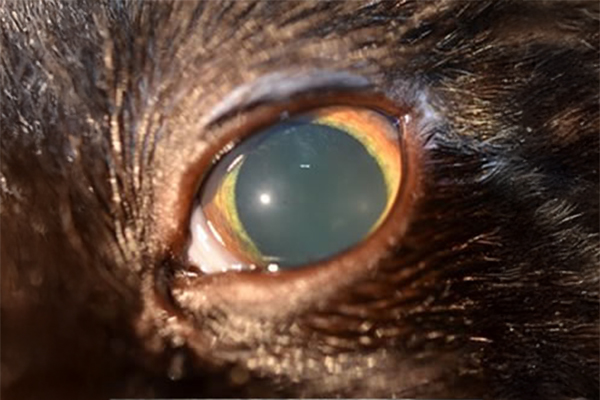
Glaucoma raises pressure inside the eye, causing discomfort and vision loss. Signs include a cloudy eye, redness, and a dilated pupil. Your cat may avoid light or paw at the eye. This condition requires urgent treatment to save vision.
Cataracts In Cats
Cataracts cause the eye lens to become cloudy. Vision blurs gradually, and the eye may look milky or gray. Cataracts can develop from aging, injury, or illness. Surgery might be an option if vision is severely affected.
Third Eyelid Problems
The third eyelid can become visible or swollen due to illness or injury. It may cover part of the eye or look red. This condition often signals infection, dehydration, or other health issues. Veterinary evaluation is important for proper treatment.
Credit: indyanimaleyeclinic.com
Visual Signs To Watch For
Recognizing eye problems in cats early helps prevent serious damage. Cats cannot tell us when their eyes hurt or feel strange. Watching for visual signs gives clues about their eye health. These signs often appear before your cat shows other symptoms. This section highlights the key visual signs to watch for in your cat’s eyes.
Discharge And Tearing
Clear or colored discharge from your cat’s eyes signals trouble. Excessive tearing also shows irritation or infection. Look for yellow, green, or thick mucus near the eye corners. Discharge can cause your cat to rub its face often. This sign often points to conjunctivitis or other infections.
Redness And Swelling
Red eyes mean inflammation or injury. Swelling around the eye or eyelids needs attention. The skin near the eye may look puffy or tender. Redness often appears with infections or allergies. Swelling can make your cat squint or keep the eye closed.
Cloudy Or Splotchy Eyes
Cloudy eyes may mean cataracts or corneal damage. Splotchy or uneven color in the eye surface is abnormal. This sign reduces your cat’s ability to see clearly. Cats with cloudy eyes may bump into things. This sign requires quick veterinary care.
Bloodshot Sclera
The sclera is the white part around the colored eye. Bloodshot sclera shows broken blood vessels or irritation. This condition can be caused by trauma or high eye pressure. It looks like red lines spreading across the white area. This sign often means a serious eye issue.
Scratches And Bruises
Scratches on the eye surface cause pain and vision problems. Bruises around the eye show trauma or fights with other animals. These injuries need careful examination and treatment. Watch for your cat avoiding light or pawing at the eye. Prompt care prevents worsening damage.
Causes Of Eye Problems
Cat eye problems can arise from many causes. Understanding these causes helps in early detection and treatment. Eye issues in cats often show in changes to their eye’s look or behavior. Some causes are simple, while others need urgent care.
Infections And Viruses
Infections are a common cause of eye problems in cats. Bacteria, viruses, and fungi can infect the eye. These infections cause redness, discharge, and swelling. Feline herpesvirus is one virus often linked to eye issues. Quick treatment can stop the infection from worsening.
Injury And Trauma
Eye injuries can happen due to fights, accidents, or scratches. Trauma may cause cuts, swelling, or even blindness. Cats with eye injuries often squint or keep their eyes closed. Immediate veterinary help is crucial to prevent permanent damage.
Allergies And Irritants
Cats can develop eye problems from allergies or irritants. Dust, pollen, smoke, or chemicals may cause redness and itching. Allergic reactions often lead to watery eyes and rubbing. Identifying and removing the irritant is important for relief.
Age-related Conditions
Older cats may develop eye problems linked to aging. Cataracts and glaucoma are common issues in senior cats. These conditions affect vision and can cause pain. Regular eye check-ups help catch age-related problems early.
Underlying Health Issues
Some eye problems stem from other health conditions. Diabetes, high blood pressure, and autoimmune diseases can affect the eyes. These issues may cause sudden blindness or eye inflammation. Managing the main health problem often improves eye health.
When To Seek Veterinary Care
Knowing when to seek veterinary care for your cat’s eye problems is crucial. Eyes are delicate and can worsen quickly without treatment. Early care helps prevent serious damage or loss of vision.
Watch for signs that suggest urgent attention. Some symptoms may look minor but can hide bigger issues. Always trust your instincts about your cat’s health.
Persistent Discharge
Discharge from your cat’s eyes that lasts more than a day needs a vet visit. Clear, yellow, or green discharge can mean infection or irritation. Do not ignore constant tearing or crusting around the eyes.
Sudden Vision Changes
Sudden changes in your cat’s vision require immediate care. Signs include bumping into objects or avoiding light. Quick diagnosis can save your cat’s sight.
Severe Swelling Or Pain
If the eye or surrounding area is swollen or your cat shows pain, seek help fast. Squinting, pawing at the eye, or redness are warning signs. Pain can indicate serious injury or infection.
Non-healing Eye Wounds
Wounds or scratches on the eye that do not heal within a few days need a vet’s evaluation. These can lead to infections or ulcers if untreated. Prompt care aids healing and comfort.
Behavioral Changes
Changes in behavior might signal eye problems. Hiding, reduced activity, or reluctance to play can mean pain or poor vision. Watch closely and get professional advice if behavior shifts.
Treatment Options
Treating cat eye problems requires careful attention and quick action. Various options exist to manage and heal eye issues. Treatment depends on the type and severity of the problem. A vet will decide the best approach after a full examination. Prompt care helps prevent complications and keeps your cat comfortable.
Medications And Eye Drops
Medications often include antibiotics and anti-inflammatory drugs. Eye drops help reduce pain and fight infection. Some drops keep the eye moist and clear. Follow the vet’s instructions exactly for dosage and timing. Never use human eye drops on cats.
Surgical Interventions
Some eye problems need surgery to fix or remove damaged tissue. Surgery can save sight in severe cases. Procedures vary from removing growths to repairing the eyelid. Only a specialist vet should perform eye surgeries. Surgery usually requires anesthesia and recovery time.
Home Care Tips
Keep your cat’s eyes clean with a soft, damp cloth. Avoid touching or rubbing the eyes. Provide a calm, safe space during recovery. Make sure your cat eats well and stays hydrated. Watch for changes and report them to your vet.
Preventive Measures
Regular check-ups catch eye issues early. Keep your cat indoors to avoid injuries. Avoid exposure to irritants like smoke or dust. Maintain good hygiene in your cat’s living area. Vaccinate to protect against diseases that affect the eyes.
Follow-up Care
Return to the vet for scheduled check-ups after treatment. Follow-up visits check healing and adjust medications. Report any worsening or new symptoms immediately. Proper follow-up care ensures full recovery. It helps prevent long-term damage and discomfort.
Preventing Eye Problems
Preventing eye problems in cats is essential for their overall health. Regular care keeps their vision sharp and avoids pain. Early actions stop many issues before they become serious. Simple daily habits protect your cat’s eyes effectively.
Regular Eye Checks
Check your cat’s eyes often for redness or discharge. Look for cloudiness or squinting signs. Early detection helps treat problems quickly. Visit the vet for yearly eye exams. Professional checks catch hidden issues early.
Safe Home Environment
Keep your home free of sharp objects and dust. Avoid places with strong chemicals or sprays. Provide a clean area for your cat to play. Safe spaces reduce the risk of eye injuries. Keep litter boxes clean to prevent infections.
Vaccinations
Vaccines protect cats from diseases affecting their eyes. Follow your vet’s vaccination schedule strictly. Immunized cats face fewer infections that harm vision. Vaccinations are a key step in prevention. Protecting overall health supports eye health too.
Proper Nutrition
Feed your cat a balanced diet with essential vitamins. Nutrients like vitamin A support good eye health. High-quality cat food strengthens their immune system. Healthy cats resist infections better. Avoid feeding harmful human foods.
Avoiding Irritants
Keep cats away from smoke, perfumes, and dust. These irritants cause redness and watering of eyes. Use gentle cleaning products around the house. Avoid rough play that might harm their eyes. Protecting eyes from irritants keeps them clear and bright.
Eye Care For Kittens
Kittens have delicate eyes that need special care. Early attention helps prevent serious problems. Healthy eyes support their growth and playfulness. This section covers common issues and care tips.
Common Kitten Eye Issues
Kittens often face eye problems like conjunctivitis, watery eyes, or swelling. Some show redness or discharge. These signs may indicate infections or allergies. Early detection helps avoid long-term damage.
Cleaning Techniques
Use a soft, damp cloth to clean around their eyes. Wipe gently from the inner corner outward. Avoid harsh rubbing to prevent irritation. Clean the cloth before each use to stop bacteria spread.
Signs Of Infection
Look for redness, swelling, or discharge that is yellow or green. Squinting or constant blinking can signal pain. If the kitten rubs its eyes often, it may be infected. Prompt care is crucial to avoid worsening.
When To Contact A Vet
Seek veterinary help if discharge persists beyond two days. If the kitten’s eyes are swollen or painful, do not wait. Sudden vision changes or cloudy eyes need immediate attention. A vet can diagnose and treat effectively.
Supporting Healthy Growth
Feed kittens a balanced diet rich in vitamins. Keep their living area clean and free of dust. Regular vet check-ups ensure eye health is monitored. Proper care helps kittens grow strong and see well.
Credit: www.aspcapetinsurance.com
Frequently Asked Questions
What Do Unhealthy Cat Eyes Look Like?
Unhealthy cat eyes may appear red, cloudy, or yellow with discharge, swelling, squinting, or visible scratches and ulcers.
What Is The Most Common Eye Problem In Cats?
The most common eye problem in cats is conjunctivitis, causing redness, swelling, and discharge. It often results from infections or allergies.
When To Worry About A Cat’s Eye?
Worry about a cat’s eye if you see redness, swelling, discharge, squinting, or cloudiness. Seek vet care promptly.
How Do You Know If Your Cat’s Eye Is Damaged?
Signs of a damaged cat’s eye include redness, swelling, discharge, squinting, cloudiness, or visible scratches. Consult a vet promptly.
What Are Common Cat Eye Problems Shown In Pictures?
Pictures often show issues like conjunctivitis, cataracts, and glaucoma. These conditions cause redness, cloudiness, or swelling in a cat’s eye. Visual signs help identify the problem early.
Conclusion
Cat eye problems can affect their health and happiness. Early detection helps treat issues quickly. Watch for changes in your cat’s eyes daily. Clear, bright eyes usually mean good health. If you spot redness, swelling, or discharge, act fast. Regular vet visits keep your cat’s eyes safe.
Use this guide and pictures to understand symptoms. Caring for your cat’s eyes improves their quality of life. Stay alert and protect your furry friend’s vision.