
If you’re planning a bathroom remodel or fixing a stubborn toilet leak, understanding how your toilet flange fits with your tile floor is crucial. You might be wondering: Should the toilet flange sit on top of the tile or underneath it?
This small detail can make a big difference in ensuring a secure, leak-free seal and a long-lasting installation. You’ll discover why placing the toilet flange on top of the tile is generally the best choice, how to handle common challenges during installation, and simple tips to avoid costly mistakes.
Keep reading to make sure your toilet sits perfectly and your bathroom stays dry for years to come.

Toilet Flange Basics
The toilet flange is a small but vital part of your bathroom plumbing. It connects the toilet to the drain pipe and secures it to the floor. Understanding the basics of the toilet flange helps you make better decisions during installation or repair. This knowledge ensures your toilet stays stable and leak-free.
Many homeowners wonder about the best way to install a toilet flange, especially when tile is involved. Knowing the function and types of flanges can guide you in placing the flange correctly on top of tile floors. Here is a clear explanation of the toilet flange basics.
Flange Function And Importance
The toilet flange holds the toilet in place on the floor. It creates a sealed connection between the toilet and the drain pipe. This seal prevents sewer gases from entering your bathroom.
A strong flange keeps the toilet stable during use. Without it, the toilet can wobble or leak water. Proper flange installation protects the floor from water damage and keeps plumbing safe.
Materials And Types
Toilet flanges come in different materials. Common types include PVC, ABS plastic, and metal. PVC flanges are popular for their durability and resistance to corrosion.
Metal flanges, often made from cast iron or brass, are strong but can rust over time. Some flanges fit directly over the drain pipe, while others fit inside it. Choosing the right type depends on your plumbing system and floor height.
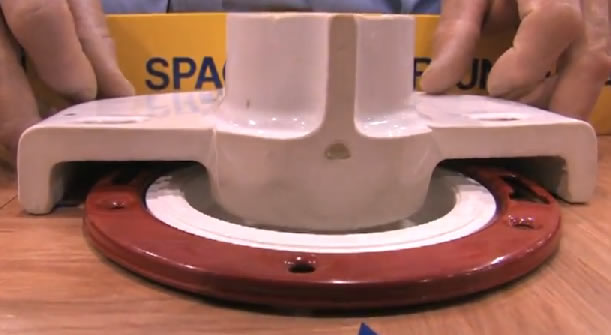
Credit: diy.stackexchange.com
Why Place Flange On Tile
Placing the toilet flange on top of the tile is a crucial step in bathroom installation. It ensures a proper seal and stable connection between the toilet and the drain pipe. This method adapts to the finished floor height, keeping everything aligned and secure. The flange must sit flush with the tile surface to prevent leaks and movement. Understanding the reasons behind this placement helps avoid costly repairs and plumbing issues.
Benefits Of Elevating Flange
Elevating the flange above the subfloor provides better support for the toilet. It creates a tight seal with the wax ring, preventing water leaks. The flange resting on tile offers a stable base, reducing the risk of rocking or shifting. It also matches the finished floor height, allowing for a smooth toilet installation. This placement protects the drain pipe and extends the life of the plumbing system.
Risks Of Incorrect Placement
Placing the flange below the tile can cause many problems. It may lead to poor sealing and toilet wobbling. Water can leak into the subfloor, causing damage and mold growth. Incorrect flange height often results in loose bolts and a weak toilet connection. Repairing these issues later can be costly and time-consuming. Proper flange placement prevents plumbing failures and protects your bathroom floor.
Preparing For Installation
Preparing for installation of a toilet flange on top of tile requires careful steps. Proper preparation ensures a secure and leak-free fit. It helps avoid costly mistakes during the installation.
Start by understanding the thickness of your tile. This determines the height at which the flange must sit. Gather the right tools and materials before you begin. Being prepared saves time and effort.
Measuring Tile Thickness
Measure the tile thickness using a caliper or a ruler. Check the combined height of the tile and the thinset or mortar. The flange must sit flush with the tile surface or slightly above it. This prevents leaks and ensures the toilet seals correctly.
Take multiple measurements at different spots to get an accurate reading. Note down the measurement for reference during installation. This step is essential for a proper flange height setup.
Tools And Materials Needed
Gather these tools and materials before starting the installation:
- Measuring tape or caliper for tile thickness
- New toilet flange compatible with your drain pipe
- Wax ring or wax-free seal
- Adjustable wrench or socket set
- Screwdriver for securing the flange
- Level to check flange position
- Silicone sealant or plumber’s putty
- Cleaning supplies to prep the area
Having everything ready ensures a smooth and efficient installation process.
Tiling Around The Flange
Tiling around the toilet flange requires careful planning and precise cuts. The flange usually sits on top of the tile, which means the tile must fit snugly around it. Proper tiling ensures a clean look and prevents leaks or movement of the toilet.
Cutting Tile For Flange Fit
Start by measuring the flange diameter and mark the tile accordingly. Use a pencil to draw a circle or square around the flange area on the tile. A tile cutter or wet saw works best for straight cuts. For curved cuts, a tile nipper or rotary tool helps shape the tile precisely. Take your time to create a smooth edge that fits tightly around the flange.
Using Tile Spacers For Precision
Tile spacers keep the gaps even and consistent between tiles and the flange. Place spacers around the flange to hold tiles in position during installation. This ensures grout lines stay uniform and neat. Spacers also prevent tiles from shifting while the adhesive dries. Remove spacers carefully once the tiles are set to complete the job with a professional finish.
Securing The Flange
Securing the toilet flange on top of tile is crucial for a stable toilet installation. The flange must be firmly anchored to prevent movement or leaks. Proper attachment also ensures the toilet seals tightly to the drain.
Working with tile requires care to avoid cracks or damage. Using the right tools and fasteners extends the life of the flange and floor.
Drilling Into Tile Safely
Drilling into tile needs a gentle touch and the right drill bit. Use a carbide or diamond-tipped bit designed for tile. Start with a small pilot hole to guide the larger bit.
Apply light pressure and keep the drill speed low. Use masking tape over the tile to stop the bit from slipping. Keep the drill perpendicular to the tile surface for a clean hole.
Cool the drill area with water to prevent tile cracking. Take breaks to avoid overheating the bit or tile. Patience here prevents costly mistakes.
Choosing Corrosion-resistant Screws
Use screws that resist rust and corrosion in wet bathroom settings. Stainless steel screws are a top choice for durability. Brass screws also resist corrosion but cost a bit more.
Avoid using plain steel screws that can rust and weaken over time. Corrosion-resistant screws maintain a strong hold and keep the flange secure. This prevents leaks and loosening.
Select screws long enough to grip through the tile and subfloor. Ensure they fit the flange holes snugly. Proper screw choice protects your plumbing investment.
Adjusting Flange Height
Adjusting the height of a toilet flange is important for a proper toilet installation. The flange must sit at the right level to ensure a good seal and stable toilet base. If the flange is too low or too high, it can cause leaks or an unstable toilet.
When installing a toilet flange on top of tile, small adjustments are often needed. The tile adds extra height, so the flange might need to be raised. There are simple methods to fix this without damaging the tile or plumbing.
Using Flange Spacer Kits
Flange spacer kits help raise the flange to the correct height above the tile. These kits usually include plastic or rubber rings that fit under the flange. They create a solid, level base without lifting the flange too much.
Spacers are easy to install and adjust. They keep the flange stable and prevent damage to the tile floor. Using a spacer kit is a smart way to handle height differences caused by tile thickness.
Avoiding Double Wax Rings
Double wax rings might seem like a quick fix to adjust flange height. But they can cause problems such as leaks or toilet instability. Wax rings compress unevenly when stacked, leading to poor seals.
Instead of stacking wax rings, raise the flange properly with spacers or flange extenders. This approach provides a secure fit and prevents costly plumbing issues. Avoiding double wax rings keeps the toilet installation safe and reliable.
Sealing And Finishing
Sealing and finishing the toilet flange on top of tile is essential for a durable bathroom setup. Proper sealing prevents leaks and protects the subfloor. Finishing ensures the toilet sits firmly without wobbling. Both steps increase the lifespan of your toilet installation.
Applying Silicone For Leak Prevention
Use high-quality silicone sealant around the flange base. Apply a continuous bead to fill gaps between the flange and tile. Silicone acts as a waterproof barrier to stop moisture from seeping. Smooth the bead with a finger or tool for an even finish. Let the silicone cure fully before installing the toilet. This step is key for avoiding water damage.
Ensuring A Stable Toilet Fit
Check that the flange is level with the tile surface. Use shims if the flange sits unevenly to prevent rocking. Tighten the toilet bolts carefully without overtightening. Secure bolts keep the toilet stable and avoid flange cracks. A stable fit reduces noise and improves comfort. Test stability by gently rocking the toilet after installation.
Common Mistakes To Avoid
Installing a toilet flange on top of tile requires care. Mistakes can cause leaks and damage. Avoid common errors to ensure a strong, lasting fit. Understanding these mistakes helps you prevent costly repairs later.
Improper Flange Height
Setting the flange too high or too low causes problems. If too low, the toilet may rock or leak. If too high, the toilet will not seal properly. The flange must sit flush with the tile surface. Measure carefully before installation. This step keeps the toilet stable and leak-free.
Inadequate Sealing
Failing to seal the flange correctly invites water damage. Use a good quality wax ring or rubber gasket. Apply sealant around the flange base for extra protection. Check for gaps between the flange and tile. Proper sealing stops water from seeping under the floor. It also prevents odors and mold growth.
Maintenance Tips
Proper maintenance of a toilet flange installed on top of tile is crucial. It ensures a secure connection between the toilet and the drainpipe. Good care prevents leaks and damage to your bathroom floor. Regular checks and timely repairs keep your toilet functioning well.
Inspecting Flange Condition
Look closely at the toilet flange for cracks or breaks. Check if it is loose or shifting on the tile surface. Notice any signs of water damage or rust around the flange. Early detection of problems helps avoid costly repairs. Inspect the flange seal for wear or gaps. Ensure the flange bolts are tight and not corroded.
Replacing Worn Components
Remove old or damaged wax rings to prevent leaks. Replace cracked or broken flange parts with new ones. Use corrosion-resistant bolts and screws for better durability. Install a new wax ring or a rubber seal for a tight fit. Tighten all fasteners securely but avoid over-tightening. Replace any damaged tile around the flange to maintain a solid base.

Frequently Asked Questions
Can The Toilet Flange Be Above The Tile?
The toilet flange should sit on top of the finished tile. This ensures a proper seal with the wax ring and prevents leaks.
Do You Install A Toilet On Top Of Tile?
Install the toilet flange on top of the finished tile floor. This ensures a proper seal and prevents leaks. Use corrosion-resistant screws to secure it.
Do I Put My Toilet Flange Before Or After I Tile?
Install the toilet flange after tiling. Position the flange on top of the finished tile for a proper, watertight seal.
Should A Toilet Flange Sit On Top Of Vinyl Plank Flooring?
The toilet flange should sit on top of vinyl plank flooring to ensure a proper seal with the wax ring and prevent leaks.
Can A Toilet Flange Be Installed On Top Of Tile?
Yes, the toilet flange can sit on top of the tile. This helps create a better seal and proper height for the toilet. The flange should rest firmly on the tile surface.
Conclusion
Placing the toilet flange on top of the tile ensures a proper seal. This setup helps prevent leaks and keeps your bathroom safe. It also makes future repairs easier and avoids tile damage. Always check flange height to fit your toilet correctly.
A well-installed flange supports toilet stability and comfort. Proper installation saves time and money in the long run. Remember, small details matter for a lasting bathroom fix.