
Is your dryer giving off a bad smell every time you run a load of laundry? That unpleasant odor coming from your dryer isn’t just annoying—it could be a sign of something that needs your attention.
Whether it smells musty, smoky, or even strange like chemicals, understanding what’s behind these smells is key to fixing the problem quickly and keeping your clothes fresh. You’ll discover why your dryer smells bad and learn simple, effective steps you can take right now to eliminate those odors for good.
Don’t let a smelly dryer ruin your laundry day—read on to find out how to get your dryer smelling clean and fresh again.
Common Dryer Odors
Dryers can develop unpleasant odors that affect your laundry’s freshness. Identifying common dryer smells helps find the source quickly. Different odors point to different problems inside your machine. Recognizing these scents can save time and prevent damage.
Musty And Mildew Smell
This smell often comes from damp clothes left too long in the dryer. Moisture trapped inside the drum or vent can cause mold growth. A clogged or dirty vent stops air from flowing properly. This creates a perfect place for mildew to grow. Cleaning the lint trap and drying clothes promptly helps avoid this odor.
Burning And Smoky Odor
A burning smell usually signals lint buildup near heating parts. Lint can catch fire or smolder, creating smoke and a bad odor. Overloading the dryer may cause it to overheat. This can scorch fabrics and damage the drum. Check for lint and avoid overloading to prevent burning smells.
Rotting And Animal Smell
This foul smell may come from pests trapped inside the vent or drum. Small animals like rodents sometimes crawl into the dryer vent and die there. Their remains cause a strong, unpleasant odor. Cleaning the vent and sealing openings stops pests from entering. Regular vent inspections help prevent this problem.
Chemical And Rubber Scents
New dryer parts or belts can emit a rubber or chemical smell. This odor usually fades after a few uses. Sometimes overheating belts or motors create a strong rubber scent. It may signal a mechanical issue needing repair. Monitor the smell and call a technician if it persists.

Credit: www.sharperservicesolutions.com
Causes Of Dryer Odors
Bad smells coming from your dryer often signal underlying problems. These odors can range from musty to burnt, each pointing to a specific cause. Identifying the root cause helps prevent damage and keeps your laundry fresh. Below are common reasons your dryer may smell bad.
Mold And Mildew Growth
Mold thrives in damp, warm places like your dryer drum. Leaving wet clothes inside for too long creates moisture buildup. This moisture encourages mold and mildew to grow. Mold produces a musty odor that can transfer to clothes. Regularly drying clothes promptly helps avoid this issue.
Lint Buildup Near Heating Elements
Lint collects in the dryer during use. Some lint escapes the filter and settles near heating parts. This lint can smolder and cause a burning smell. Excessive lint buildup also risks fire hazards. Cleaning the lint trap and vents reduces this problem.
Blocked Or Damaged Vent Hose
A blocked vent hose stops proper airflow. Moisture and heat get trapped inside the dryer. This creates a damp environment that encourages odors. Damage to the hose can also let dust and pests enter. Inspecting and cleaning the vent hose keeps air flowing freely.
Overloading The Dryer
Putting too many clothes inside blocks air circulation. Poor airflow causes heat to build unevenly. Hot spots develop and can scorch fabrics or parts. This overheating creates a burnt or rubbery smell. Dry smaller loads to maintain good airflow.
Mechanical Wear And Tear
Worn dryer parts can cause unusual smells. Bearings, belts, and motors may overheat or emit odors when damaged. Strange noises often accompany these smells. Regular maintenance catches wear early and prevents odor issues.
Pests In Exhaust Vents
Small animals like birds or rodents can nest in vents. Their droppings and nests produce foul smells. Blocked vents also reduce dryer efficiency. Checking vents for pests helps keep the dryer clean and odor-free.
Quick Fixes For Bad Dryer Smells
Bad smells coming from your dryer can be unpleasant and frustrating. Quick fixes can help remove odors and keep your dryer fresh. Simple cleaning and maintenance steps often solve the problem fast. Follow these easy tips to freshen your dryer and improve its performance.
Cleaning The Lint Filter Thoroughly
Remove the lint filter after each use and clean it well. Use warm water and mild soap to remove built-up residue. Let it dry completely before placing it back. This stops lint buildup that causes musty smells.
Wiping The Drum And Door Seal
Use a cloth dipped in a mix of vinegar and water to wipe the inside drum. Clean the rubber door seal carefully, removing any trapped dirt or moisture. This prevents mold and mildew that create bad odors.
Running An Empty High-heat Cycle
Run your dryer empty on the highest heat setting for 20-30 minutes. This helps kill bacteria and dries out any moisture inside. It also burns off any lingering smells from past loads.
Checking And Clearing The Vent Hose
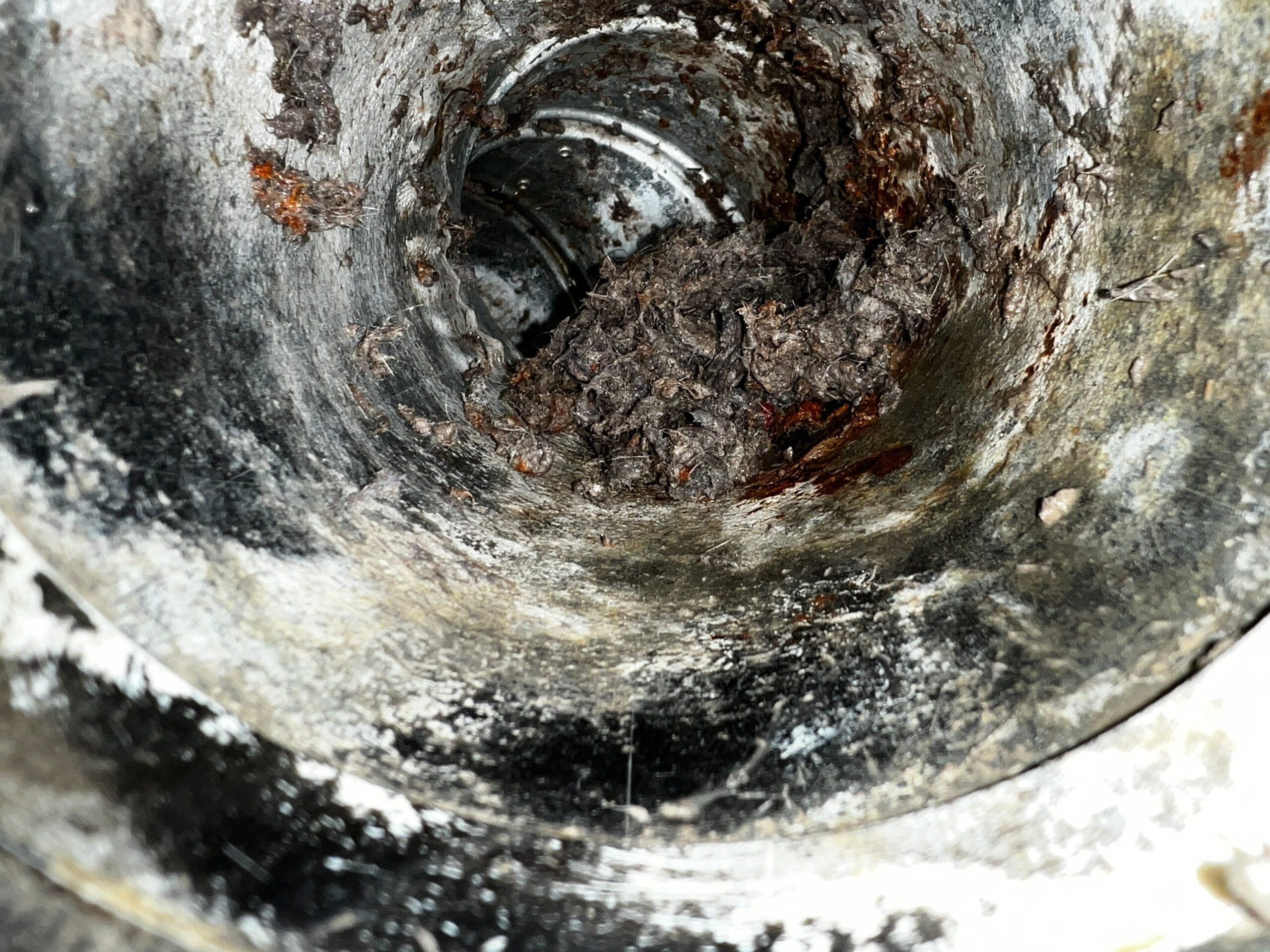
Disconnect the vent hose and check for blockages or lint buildup. Clean it with a vacuum or brush to clear any debris. Proper airflow stops odors and reduces fire risk by preventing lint buildup.
Deep Cleaning Steps
Deep cleaning your dryer is key to removing bad smells. Dirt, lint, and residue can build up inside. This buildup traps moisture and causes odors. Follow these simple steps to clean your dryer and freshen the air.
Removing And Washing The Lint Screen
Start by taking out the lint screen. Use warm water and mild soap to wash it thoroughly. Scrub gently to remove any stuck lint or residue. Let it dry completely before placing it back. Clean lint screens improve air flow and reduce odors.
Using Vinegar Or Alcohol To Remove Residue
Mix equal parts of white vinegar and water or use rubbing alcohol. Dampen a soft cloth with the solution. Wipe the inside of the dryer drum and door seal carefully. This removes residue and kills odor-causing bacteria. Avoid soaking to protect dryer parts.
Vacuuming The Vent And Exhaust Ducts
Unplug the dryer and detach the vent hose. Use a vacuum with a hose attachment to clean inside the vent and ducts. Remove lint and debris that block airflow. This step prevents musty smells and reduces fire risk. Reattach the vent securely after cleaning.
Inspecting Moisture Sensors
Locate the moisture sensors inside the dryer drum. These are small metal strips near the door opening. Wipe them with a cloth dampened in vinegar or rubbing alcohol. This clears any buildup that stops the sensors from working right. Proper sensors help dry clothes fully and stop odors.
Preventing Dryer Odors
Preventing dryer odors is key to keeping laundry fresh and your home smelling clean. Odors often come from damp clothes left inside, lint buildup, or blocked vents. Simple habits and regular care stop bad smells before they start. A few easy steps help maintain a fresh-smelling dryer and improve its efficiency.
Avoid Leaving Damp Clothes Inside
Leaving wet clothes in the dryer creates a damp environment. This encourages mold and mildew growth. Remove clothes as soon as the drying cycle ends. Dry clothes quickly to prevent musty smells from forming inside the drum.
Do Not Overload The Dryer
Overloading limits airflow inside the dryer. Poor air circulation causes uneven drying and damp spots. Clothes stay wet longer and develop odors. Dry smaller loads to ensure proper air movement and thorough drying each time.
Regular Maintenance Schedule
Clean the lint filter after every use to remove trapped fibers. Wipe the drum and door seal with a vinegar solution monthly to kill mold spores. Check for any unusual smells or residue regularly. Routine care keeps your dryer fresh and working well.
Keeping Vents Clear And Dry
Blocked or wet dryer vents trap moisture and lint. This creates a perfect place for mold and mildew. Clean vents at least once a year to remove debris. Ensure vents are dry and free of obstructions for safe, odor-free drying.

Credit: codysappliancerepair.com
When To Call A Professional
Knowing when to call a professional for a smelly dryer can save you time and avoid hazards. Some dryer smells hint at serious issues beyond simple cleaning. A professional technician can safely diagnose and fix these problems. Ignoring certain smells can lead to damage or fire risks. Watch for signs that require expert help.
Persistent Burning Or Chemical Smells
A burning smell that does not go away needs immediate attention. It may mean the dryer is overheating or the heating element is failing. Chemical odors can come from electrical parts burning or leaking fluids. A professional will identify the cause and prevent further damage. Do not try to fix these issues yourself.
Signs Of Mechanical Problems
Unusual noises and smells can signal mechanical faults. A worn belt or motor trouble often produces a bad odor. These problems affect dryer performance and may cause breakdowns. A technician can inspect, repair, or replace damaged parts. Prompt service avoids costly repairs later.
Pest Removal And Duct Cleaning
Rodents or insects in the dryer vent cause foul odors and block airflow. Nests and droppings build up inside ducts, creating smells and fire hazards. Professionals have the right tools to clean vents deeply and remove pests. Regular duct cleaning improves dryer efficiency and safety.
Safety Concerns And Fire Risks
Smells like burning rubber or plastic are red flags for fire danger. Lint buildup inside vents or near heating parts can ignite. If you sense any smoke or strong burning smells, turn off the dryer. Call a professional immediately to inspect and clean the unit. Safety should always come first with dryer issues.
Frequently Asked Questions
How Do I Get Rid Of A Bad Smell In My Dryer?
Clean the lint filter with soapy water. Wipe the drum and door seal using vinegar and water. Check and clear the vent for blockages. Run an empty, high-heat cycle to eliminate odors. Avoid overloading to ensure proper airflow and prevent musty smells.
Can Mold Be Killed In A Dryer?
A dryer’s heat can kill some mold on clothes, but it may not eliminate all mold spores inside the machine. Regular cleaning prevents mold buildup.
What Does An Overheating Dryer Smell Like?
An overheating dryer smells like burning rubber or scorched fabric. This smell signals excessive heat buildup inside the drum.
What Are The Warning Signs Of A Dryer Fire?
Warning signs of a dryer fire include burning or smoky smells, overheating, unusual noises, and visible sparks or flames. Also watch for a hot dryer surface and frequent shutdowns. Clean lint buildup regularly to prevent fire hazards.
Why Does My Dryer Smell Musty After Use?
A musty smell often means moisture is trapped inside. Check for clogged vents or damp clothes left too long in the dryer. Cleaning the lint trap and running a high-heat cycle can help.
Conclusion
A bad smell in your dryer signals a cleaning or ventilation issue. Regularly remove lint and wipe the drum to prevent odors. Avoid overloading to keep air flowing properly inside. Check the vent outside for blockages or pests that cause smells.
Running a hot cycle with vinegar can kill mold and freshen the dryer. Taking these simple steps keeps your dryer smelling clean and working well. Don’t ignore bad odors—they can lead to bigger problems later. Keep your laundry routine fresh and safe with easy dryer care.