
Is your washing machine not filling enough with water? This can be frustrating, especially when your clothes don’t get properly soaked and cleaned.
You might have tried different cycles or settings, but the problem still persists. Don’t worry—you’re not alone, and there are simple reasons why this happens. Understanding what’s causing your washer to fill with too little water will help you fix it fast and save you from costly repairs.
Keep reading to discover the common causes and easy solutions so your laundry routine can get back on track without hassle.
Common Water Fill Issues
Washing machines need the right amount of water to clean clothes well. Sometimes, they do not fill enough. This can cause clothes to come out dirty or damaged. Common water fill issues often cause this problem. These issues usually come from the water supply or parts of the machine that control water flow.
Understanding these common problems helps fix the washer quickly. It also stops small issues from becoming big repairs. Check these areas to find out why your washing machine is not filling with enough water.
Low Water Pressure Effects
Low water pressure means less water flows into the machine. The washer may fill slowly or not fill fully. Clothes might not get wet enough to clean properly. Low pressure can come from your home’s plumbing or the water company. Test water pressure with a simple gauge or call a plumber. Fixing low pressure ensures the washer fills correctly every time.
Partially Closed Water Valves
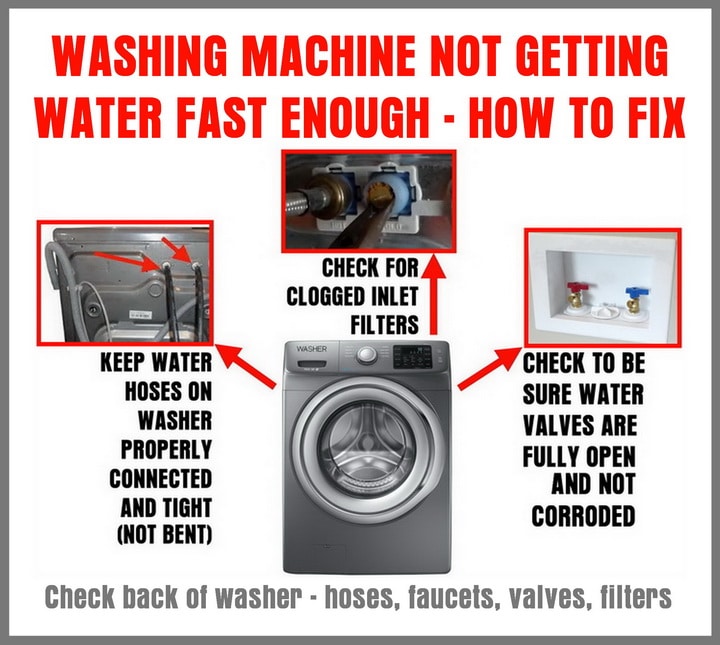
Water valves control the flow of water into the washer. If these valves are not fully open, water flow reduces. This causes the machine to fill less than needed. Check the valves behind the washer. Turn them fully counterclockwise to open. Sometimes, valves feel open but are stuck halfway. Opening valves fully restores proper water flow.
Kinked Or Damaged Hoses
Water hoses connect the washer to the home water supply. Kinks or damage in these hoses block water flow. The washer then fills slowly or not enough. Inspect hoses for bends, cracks, or holes. Replace damaged hoses with new ones. Straightening kinks also helps water flow freely. Healthy hoses keep water moving fast into the washer.
Cleaning And Maintenance
Proper cleaning and maintenance keep your washing machine working well. Dirt and debris can block water flow and cause low water levels. Regularly cleaning specific parts helps water fill correctly. It also prevents future problems and extends your washer’s life.
Clearing Inlet Screens
Inlet screens catch dirt before water enters the washer. They can get clogged over time. Turn off the water supply and unplug the machine first. Find the screens where the hoses connect to the washer. Remove and rinse them under running water. Use a soft brush to clean stubborn dirt. Replace the screens and hoses securely.
Removing Hose Filters
Some washing machines have filters inside the water hoses. These filters stop particles from entering the machine. Unscrew the hoses from the back of the washer. Check for small filters inside the hose ends. Take them out carefully and rinse with water. Clean filters help improve water flow. Reinstall the filters and tighten the hoses firmly.
Cleaning Water Inlet Valve
The water inlet valve controls water flow into the washer. Dirt can build up inside the valve or on its screens. Unplug the washer and turn off water supply before starting. Remove the valve from the back of the machine. Inspect the valve screens and clean gently with a brush. Check the valve’s rubber seals for damage. Replace the valve if it is worn or broken. Clean valves allow water to fill faster and fully.
Checking Washer Components
Checking the washer components helps find why your machine is not filling enough with water. Each part works together to control water flow. Faulty components can cause low water levels in your washer. Testing these parts can save time and money on repairs.
Inspecting Water Level Switch
The water level switch tells the washer how much water to use. It senses the water level inside the tub. If this switch is broken or stuck, the washer may fill too little. To inspect it, unplug the washer and locate the switch. Check if the switch moves freely. Clean or replace it if needed.
Testing The Pressure Switch
The pressure switch detects water pressure in the washer tub. It signals the machine to stop filling when the right level is reached. Use a multimeter to test the switch for proper function. Listen for a clicking sound when you gently blow into the pressure tube. Replace the switch if it does not respond.
Examining Timer And Control Board
The timer and control board manage the washer’s cycles, including water fill times. A malfunction here can stop the washer from filling correctly. Look for signs of damage or burnt spots on the control board. Test the timer by advancing it through cycles. Repair or replace any faulty parts found.

Credit: www.youtube.com
Adjusting Water Levels
Adjusting the water level in your washing machine can solve the problem of not filling enough with water. Many washers allow users to control how much water fills the drum. This adjustment helps make sure clothes get properly soaked and cleaned. Knowing how to change water levels improves washing results and saves water.
Using Deep Fill Settings
Most modern washers include a deep fill option. This setting increases the water amount in the drum. Use it for large loads or bulky items. Deep fill ensures clothes are fully submerged. Check your machine’s control panel for this feature. Select deep fill before starting the wash cycle. It adds extra water beyond the normal level.
Manual Cycle Interruption Techniques
Stopping the wash cycle manually can help add more water. Start the cycle and watch the water level. When it stops, pause or cancel the cycle. Open the lid or door carefully to pour extra water inside. Close the door and restart the cycle. This tricks the machine into using more water than usual. Use this method only if your washer allows manual interruption.
Bypassing Water Level Sensors
Water level sensors control how much water fills the washer. Sometimes these sensors fail or misread levels. Bypassing them can increase water fill but requires caution. Locate the sensor or pressure switch inside the machine. Disconnect or adjust it to allow more water. This step may need a professional technician. Incorrect handling can damage the washer or cause leaks.
When To Replace Parts
Knowing when to replace parts in your washing machine saves time and prevents bigger issues. If the machine does not fill enough with water, certain parts might be faulty or worn out. Timely replacement can restore proper water levels and improve washing performance. Below are key signs and cost details for common parts needing replacement.
Signs Of A Faulty Inlet Valve
The inlet valve controls water flow into the washer. If it is faulty, water fills slowly or not enough. Listen for humming or buzzing sounds during filling. Check if water pressure is weak or uneven. Leaks around the valve or water spilling from the back are clear signs. A valve stuck open or closed causes filling problems. Testing the valve with a multimeter can confirm failure. Replace the valve if it does not open fully or shows electrical faults.
Replacing The Water Level Sensor
The water level sensor tells the machine how much water to use. A broken sensor causes underfilling or overfilling. If the washer stops filling too early, the sensor may be faulty. Look for error codes or inconsistent water levels. The sensor is usually a pressure switch connected to a small hose. Check the hose for cracks or blockages. Replace the sensor if cleaning the hose does not fix the problem. Sensor replacement restores accurate water level detection.
Costs For Impeller Replacement
The impeller helps circulate water and detergent inside the drum. A damaged impeller may reduce water movement and washing quality. Signs include noisy operation or poor cleaning results. Impeller replacement costs vary by brand and model. Parts typically cost between $20 and $50. Labor fees depend on repair complexity but usually range from $70 to $150. Replacing the impeller is a cost-effective fix compared to buying a new machine.
Preventive Tips
Preventing your washing machine from not filling enough with water saves time and hassle. Taking simple steps regularly keeps your machine running smoothly. These tips focus on basic maintenance tasks anyone can do.
Regular Filter Cleaning
Clean the inlet filters every few months. These small screens catch dirt and debris that block water flow. Turn off the water supply before removing the filters. Rinse them under clean water to remove buildup. Dry and reinstall carefully. Clean filters help maintain steady water filling.
Ensuring Proper Hose Installation
Check that the water hoses are connected tightly. Loose hoses cause leaks or restrict water flow. Avoid kinks or sharp bends in the hoses. Position hoses straight and secure them with clamps if needed. Proper installation allows water to flow freely into your machine.
Routine Water Pressure Checks
Test your home’s water pressure regularly. Low pressure reduces water entering the washer. Use a pressure gauge or call a professional to check. If pressure is low, check the main water valve or consult your water supplier. Good water pressure ensures the washing machine fills properly.
Frequently Asked Questions
Why Is My Washing Machine Not Filling Up With Enough Water?
Your washing machine may not fill with enough water due to clogged inlet screens, low water pressure, or partially closed supply valves. Check and fully open both hot and cold water taps. Clean inlet screens and inspect the water inlet valve and pressure switch for proper function.
How Do I Trick My Washer Into Filling With More Water?
Select a cycle and start the washer. When it stops filling, pause and drain the water. This resets the fill level to add more water. Ensure water taps are fully open and inlet screens are clean for better filling.
Why Is My Washing Machine Only Filling With A Little Water?
Your washing machine may fill slowly due to clogged inlet screens, low water pressure, or partially closed supply valves. Check and fully open both hot and cold water taps behind the machine. Clean inlet filters to improve water flow and ensure the water level switch functions properly.
How Much Does It Cost To Replace An Impeller On A Washing Machine?
Replacing a washing machine impeller typically costs between $100 and $250, including parts and labor. Prices vary by model and location.
Why Is My Washing Machine Not Filling Enough With Water?
A common cause is clogged inlet screens or partially closed water valves. Low water pressure can also reduce water flow into the machine.
Conclusion
A washing machine not filling with enough water can be frustrating. Simple checks often solve the problem. Make sure water taps are fully open. Clean the inlet screens to remove any blockages. Inspect the water inlet valve and pressure switch for faults.
Regular maintenance helps keep your washer working well. Taking these steps can save time and money. Keep your clothes fresh and clean with the right water level. Don’t ignore small issues before they get worse. A little care goes a long way in washing machine performance.