
Is your Weber Genesis grill igniter not working when you’re ready to fire it up? It’s frustrating when you push the ignition button, hear nothing, or see no spark—and your grill just won’t light.
But don’t worry, you’re not alone, and this problem is often easier to fix than you think. In this guide, you’ll learn simple, step-by-step ways to troubleshoot your igniter so you can get back to grilling your favorite meals in no time.
Whether it’s a dead battery, dirty connections, or a faulty part, we’ll show you exactly what to check and how to fix it. Keep reading to take control and bring your Weber Genesis grill back to life today!
Check Manual Lighting
Before troubleshooting the igniter on your Weber Genesis grill, try lighting it manually. This step helps confirm whether the problem lies with the ignition system or the gas supply. Use a long match or a grill lighter to safely ignite the burner.
Manual lighting ensures your grill can still function while you fix the igniter. It is a simple and effective way to keep cooking without delay.
Locate The Ignition Battery
Remove the ignition button or cap to find the battery compartment. Most Weber Genesis grills use a single AA alkaline battery. Check the battery for corrosion or leakage before replacing it.
Replace The Ignition Battery
Insert a fresh AA battery with the positive (+) end facing inward. Make sure the battery fits snugly inside the compartment. A new battery often restores the igniter’s clicking sound.
Clean Battery Contacts
Use fine-grit sandpaper or a cotton swab to clean the metal contacts. Dirt or corrosion on contacts can stop the igniter from working properly. Clean contacts improve electrical flow and igniter function.
Inspect Igniter Wires
Look under the control panel and follow the wires from the igniter module. Unplug and reconnect each wire to ensure tight connections. Check for any frayed or broken wires that may cause failure.
Test Manual Ignition Safety
Always open the grill lid before lighting manually. Remove cooking grates and use a long match or grill lighter. This prevents gas buildup and reduces the risk of flare-ups.
Replace Igniter Battery
Replacing the igniter battery on your Weber Genesis grill is a simple fix for many ignition problems. A weak or dead battery often causes the igniter not to click or spark. Changing the battery restores power to the igniter, helping your grill light quickly and safely.
Follow these steps carefully to replace the igniter battery and get your grill working again.
Access Battery Compartment
Locate the igniter button on your grill’s control panel. Unscrew or pull off the button cap gently. Inside, you will find the battery compartment where the AA battery is housed. Take care not to damage any wires or connectors while opening the compartment.
Insert Fresh Battery
Remove the old battery and dispose of it properly. Insert a new alkaline AA battery with the positive (+) end facing inward and the negative (-) end facing outward. Make sure the battery fits snugly without any loose movement. Replace the button cap securely.
Clean Battery Contacts
Check the metal contacts inside the battery compartment for dirt, corrosion, or battery leakage. Use fine-grit sandpaper, a small wire brush, or a cotton swab dipped in rubbing alcohol to clean the contacts. Clean contacts ensure a good electrical connection for the igniter to function.
Inspect Igniter Wiring
Inspecting the igniter wiring is a key step in fixing a Weber Genesis grill that won’t ignite. The igniter wires carry the electric spark needed to light the burners. Over time, these wires can loosen, get damaged, or disconnect. Each issue stops the igniter from working properly.
Careful inspection of the wiring helps pinpoint the problem. Simple fixes like reconnecting wires or replacing damaged ones can restore your grill’s spark. Follow these clear steps to check the igniter wiring safely and effectively.
Locate Igniter Wires
Start by opening the grill’s control panel. Look behind the knobs where the igniter button sits. You will see thin wires leading from the igniter button to the burner area. These are the igniter wires.
Trace the wires carefully. Note where they connect to the igniter module and the burner manifold. Knowing their path helps you spot any issues like loose or broken sections.
Reconnect Loose Wires
Check each wire connection. Gently pull on the wires to see if any are loose. Loose wires can stop the electric spark from reaching the burners.
Push any loose wires firmly back into their connectors. Ensure they fit snugly and do not move. A tight connection often solves the igniter problem.
Check For Wire Damage
Look closely for signs of damage on the wires. Cracks, cuts, or frayed ends can block the spark. Damaged wires need replacement for safe operation.
If you find wire damage, cut the damaged part or replace the wire entirely. Use heat-resistant wire designed for grills to avoid future issues.

Clean Electrode And Spark Area
Cleaning the electrode and spark area plays a key role in fixing Weber Genesis grill igniter issues. Dirt, rust, and grease buildup can stop the igniter from sparking. Regular cleaning removes these blockages. This helps restore the spark needed to light the burners quickly and safely.
Focus on the electrode and spark area for best results. Clear any debris that may prevent proper ignition. Use simple tools and gentle cleaning methods to avoid damage. Keep parts dry and free of rust for longer igniter life.
Remove Grates And Flavorizer Bars
Start by taking off the cooking grates and flavorizer bars. This gives clear access to the ignition area. Carefully lift them out and place them aside on a clean surface. Removing these parts prevents dirt from falling back on the electrode. It also makes cleaning easier and safer.
Scrape Rust And Debris
Use a soft brush or cloth to scrape off rust and debris around the electrode. Avoid harsh tools that can bend or break the electrode. Gently remove any buildup that blocks the spark gap. Clean the surrounding metal parts to ensure good contact. Removing rust improves electrical flow and spark strength.
Check Electrode Position
Verify the electrode stands close to the burner tube but does not touch it. The gap should be about 1/8 inch for a strong spark. Adjust the electrode gently if needed. A misaligned electrode may fail to produce sparks. Correct positioning ensures reliable ignition every time.
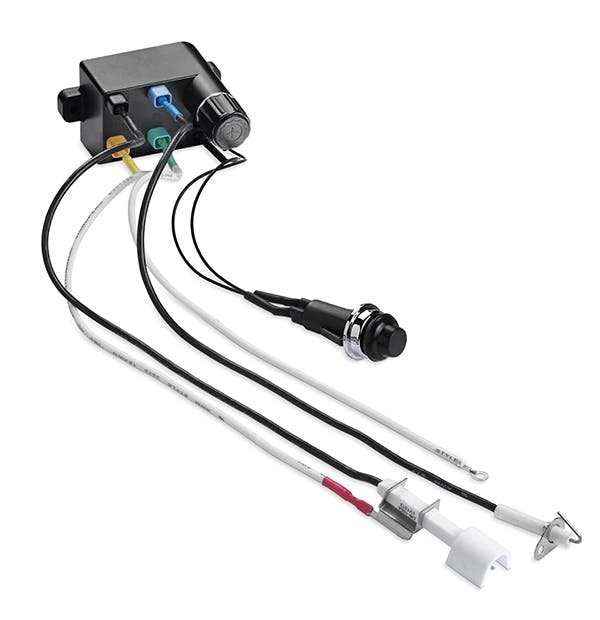
Replace Ignition Module Or Switch
Replacing the ignition module or switch is a key step in fixing a Weber Genesis grill igniter that does not work. This part sends the spark needed to light the burners. Over time, it may wear out or break, causing the igniter to fail. Swapping out the faulty component can restore your grill’s ignition quickly and safely.
Follow clear steps to identify the broken part, order the right replacement, and install it properly. This process saves time and money compared to buying a new grill. It also keeps your grill ready for many cookouts to come.
Identify Faulty Components
Start by checking the igniter button or switch for damage. Look for cracks, corrosion, or a weak spring inside. Next, examine the ignition module under the control panel. Inspect the wires for breaks or loose connections. Use a multimeter to test for electrical continuity. A lack of spark means the module or switch may be faulty.
Order Replacement Parts
Find the exact model number of your Weber Genesis grill. Use it to search for the correct ignition module or switch online. Choose parts that match your grill’s model and serial number. Buy from reputable sellers or Weber’s official website. Confirm the parts come with installation instructions and any necessary tools.
Install New Module Or Switch
Turn off the gas supply and disconnect the grill’s power source. Remove the control panel screws to access the ignition module or switch. Carefully unplug the wiring harness and take out the old part. Connect the new module or switch, ensuring all wires fit snugly. Secure the control panel back in place. Test the igniter by pressing the button to check for a spark.
Tips For Effective Troubleshooting
Troubleshooting a Weber Genesis grill igniter requires care and the right approach. Using proper tools helps avoid further damage. Handling components gently ensures they stay intact. Following safety rules protects you and your grill during repair. These tips make the process smoother and safer.
Use Proper Tools
Always select tools made for small, precise work. A small screwdriver set helps remove screws without stripping them. A multimeter checks electrical connections easily. Sandpaper or a wire brush cleans corrosion on contacts. Having the right tools reduces mistakes and speeds up fixes.
Handle Components Carefully
Grill parts are delicate and can break if forced. Remove the igniter button gently. Avoid pulling on wires too hard. Keep small parts like screws safe and organized. Being careful prevents costly replacements and keeps the grill in good shape.
Follow Safety Precautions
Turn off the gas supply before starting any work. Disconnect the grill from power sources if electric. Work in a well-ventilated area to avoid gas buildup. Wear gloves to protect your hands. Safety steps keep accidents away and protect your health.
Frequently Asked Questions
Why Is My Weber Genesis Igniter Not Clicking?
Your Weber Genesis igniter may not click due to a dead battery, loose or damaged wires, or a dirty electrode. Replace the battery, tighten wire connections, and clean the electrode tip to restore clicking. If these steps fail, the ignition module or push-button switch might need replacement.
Where Is The Igniter Battery On Weber Genesis?
The igniter battery on a Weber Genesis is inside the ignition button. Unscrew the button to access and replace the AA battery.
How To Fix Igniter On Weber Gas Grill?
Replace the AA battery in the igniter. Clean the electrode tip and metal contacts. Check and reconnect all wires securely. Replace the igniter module if it still doesn’t click.
Why Is My Weber Gas Grill Not Igniting?
Your Weber gas grill may not ignite due to a dead igniter battery, loose or damaged wires, or a dirty electrode. Replace the battery, tighten connections, and clean the electrode tip. If it still won’t ignite, the ignition module or push-button switch might need replacement.
Why Is My Weber Genesis Igniter Not Clicking?
The igniter may have a dead or weak battery. Check the battery and replace it if needed. Also, ensure the igniter button and wires are clean and connected tightly.
Conclusion
A Weber Genesis grill igniter not working can be fixed with simple steps. Start by replacing the battery and cleaning the contacts. Check all wires for tight, secure connections. Clean the electrode to help the spark jump properly. These easy fixes often restore your grill’s ignition quickly.
Keep your grill ready for any cookout by maintaining the igniter regularly. Don’t let a small problem stop your grilling fun. Stay patient and follow each step carefully for the best results.