
Is your water heater suddenly not getting as hot as it used to? You’re not alone, and this problem can turn your daily routine upside down.
Whether it’s a chilly shower or slow heating, the frustration is real. But don’t worry—you can fix it. You’ll discover the common reasons why your water heater isn’t heating properly and simple steps you can take to get warm water flowing again.
Keep reading to find out how to save time, avoid costly repairs, and enjoy hot water like you should.
Common Causes
Several common problems cause a water heater to not get as hot as it should. These issues can reduce the water temperature or stop the heater from working properly. Identifying the root cause helps fix the problem quickly.
Understanding these causes prevents unnecessary repairs and saves money. Below are the main reasons why your water heater may not heat water enough.
Faulty Thermostat
The thermostat controls the water temperature inside the tank. A malfunctioning thermostat may not signal the heater to warm water correctly. This leads to water that feels cooler than usual.
Broken Heating Elements
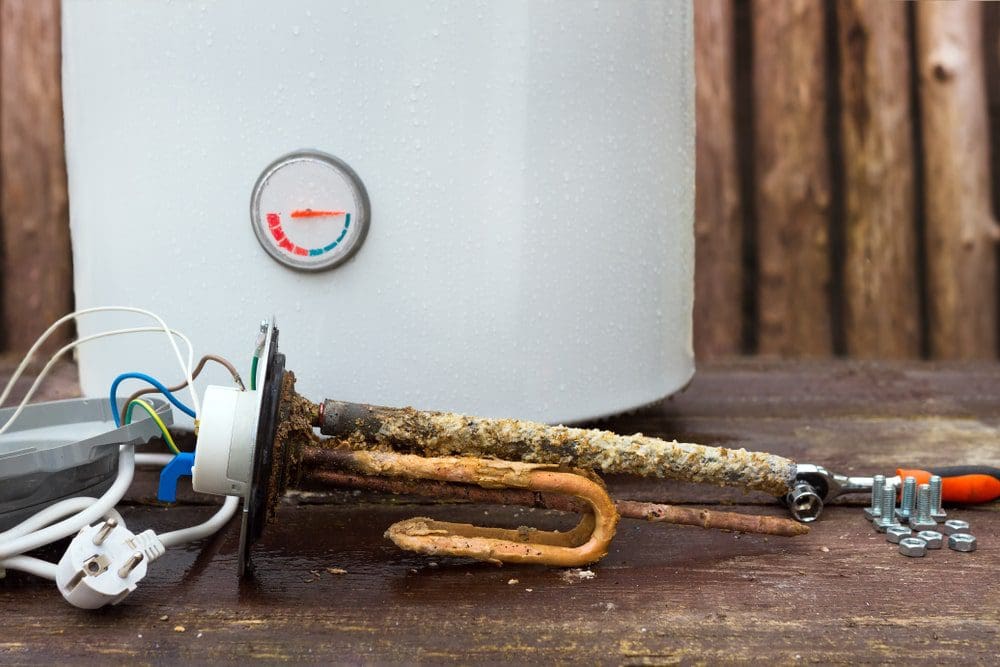
Electric water heaters use heating elements to warm the water. If one or both elements break, the heater cannot reach the set temperature. This results in less hot water or no hot water at all.
Sediment Build-up
Minerals and debris settle at the tank’s bottom over time. This layer blocks heat transfer from the element to the water. Sediment build-up reduces heating efficiency and causes lukewarm water.
Leaking Tank
A leak in the tank lowers water pressure and heat retention. Water escapes before it heats properly, making the output water cooler. Leaks also risk damaging floors and walls.
Broken Dip Tube
The dip tube sends cold water to the tank’s bottom for heating. If it breaks, cold water mixes at the top, where hot water exits. This mixing cools the water coming from the faucet.
Tripped Circuit Breaker
The breaker controls electricity to the water heater. If it trips, the heater stops working. A reset may be needed to restore power and allow the heater to warm water again.
Gas Supply Problems
Gas water heaters need a steady fuel supply. A faulty gas valve or blocked burner reduces heat output. Without enough gas, the heater cannot reach the desired temperature.
Air Pockets In Pipes
Air trapped in water pipes blocks hot water flow. This causes irregular heating and weak water pressure. Bleeding the pipes releases air, restoring normal hot water flow.
Quick Fixes
Quick fixes often solve the problem of a water heater not getting as hot as it should. Many issues come from simple causes. These can be fixed without calling a professional. Trying these steps can restore hot water fast. Follow the instructions carefully and check your water heater step by step.
Resetting The Water Heater
Resetting the water heater can clear minor faults. Locate the reset button on the thermostat panel. Press it firmly until you hear a click. Wait a few minutes for the heater to restart. This simple step often restores proper heating.
Replacing The Thermostat
A faulty thermostat stops the water from reaching the right temperature. Turn off power to the heater first. Remove the thermostat cover and disconnect wires. Replace the old thermostat with a new one. Reconnect wires and restore power. Test if the water heats properly now.
Flushing Sediment From Tank
Sediment buildup inside the tank blocks heat transfer. Turn off the heater and water supply. Attach a hose to the drain valve and empty the tank. Flush cold water through the tank to remove leftover sediment. Close the valve and refill the tank. This improves heating efficiency.
Replacing Heating Elements
Heating elements wear out over time and stop heating water. Switch off the power and drain the tank below the elements. Remove the old elements using a wrench. Install new heating elements and tighten securely. Refill the tank and turn power back on. Hot water should return soon.
Fixing Leaks
Leaks reduce water temperature by lowering pressure and heat retention. Check the tank and pipes for visible leaks. Tighten loose fittings or replace damaged parts. Small leaks often cause big heat loss. Fixing leaks keeps the system working well and water hot.
Bleeding Air From Pipes
Air trapped in pipes blocks hot water flow. Locate the highest faucet in your home. Open it fully to let air escape. Wait until water flows smoothly without sputtering. Close the faucet. This simple step restores proper water pressure and heat.
Preventive Maintenance
Preventive maintenance helps keep your water heater working well. It stops small problems from becoming big issues. Regular care improves heating performance and extends the heater’s life. Simple checks and cleaning save money and avoid cold showers.
Regular Flushing Schedule
Flushing the tank removes sediment that builds up over time. Sediment blocks heat transfer and lowers water temperature. Flush the tank at least once a year to clear debris. Use cold water to flush until it runs clear. This keeps the heater efficient and water hot.
Checking Electrical Components
Inspect wires and connections for damage or corrosion. Loose or broken parts can cause the heater to underperform. Test the thermostat and heating elements regularly. Replace faulty parts to restore proper heating. Keep electrical parts dry and secure for safety.
Inspecting Gas Lines
Gas water heaters need a steady fuel supply to heat water well. Check gas lines for leaks or blockages. Make sure the pilot light burns steadily. A weak flame means poor heating and wasted fuel. Call a professional if you smell gas or see damage.
Monitoring Water Pressure
High water pressure can damage the heater and reduce heat output. Use a pressure gauge to check levels often. Ideal pressure is usually between 40 and 60 psi. Install a pressure regulator if pressure is too high. Proper pressure protects the heater and ensures hot water flows well.
When To Call A Professional
Knowing when to call a professional for your water heater saves time and prevents damage. Some problems need expert skills and tools. Attempting repairs without experience can cause risks or worsen the issue. Watch out for signs that need a specialist’s touch. These situations require fast and safe handling.
Persistent Temperature Issues
If your water heater keeps giving lukewarm water, it may have a deeper problem. Repeatedly adjusting the thermostat without results is a warning. A professional can test components like the thermostat and heating element. They find hidden faults that simple fixes miss. Persistent issues need expert diagnosis and repair.
Complex Gas Valve Repairs
Gas water heaters involve delicate parts like gas valves. These control gas flow to the burner. Problems with the gas valve are dangerous and complex. A trained technician safely inspects and fixes gas valves. Avoid DIY attempts on gas systems to prevent leaks or fire hazards. Leave gas valve repairs to professionals.
Major Leaks And Tank Replacement
Water leaking from the tank signals severe damage. Small leaks may be fixed, but large leaks often mean tank failure. A professional can assess the damage and recommend repair or replacement. Ignoring major leaks risks water damage in your home. Early expert intervention prevents costly problems.
Electrical Safety Concerns
Electric water heaters involve wiring and electrical parts. Faulty wiring or burnt elements pose shock and fire risks. If you notice burning smells, sparks, or frequent breaker trips, call an expert. Professionals handle electrical repairs safely. Never touch electrical components without proper training.
:max_bytes(150000):strip_icc()/reasons-gas-water-heater-not-working-5212987-hero-fe6b82a59053421c88b7d13ea311d3c5.jpg)
Frequently Asked Questions
Why Is My Water Heater Not Getting As Hot As Normal?
Your water heater may not get hot enough due to a faulty thermostat, broken heating element, sediment buildup, or a damaged dip tube. Check these parts and reset the breaker if needed. Regular maintenance helps prevent heating issues and ensures consistent hot water.
Why Do The Water Heaters Heat Up On The First Floor But Not On The Second Floor?
Water heaters may heat the first floor but not the second due to air pockets blocking hot water flow upstairs. Opening a bleeder valve or flushing the system can release trapped air. Also, check for plumbing blockages or faulty valves restricting hot water distribution.
Why Am I Only Getting 5 Minutes Of Hot Water?
Limited hot water often results from a small water heater tank or a faulty thermostat. Sediment buildup or a broken heating element can also cause this issue. Check the thermostat settings, flush the tank, and inspect the heating element to restore hot water duration.
Why Is My Hot Water Heater Only Giving Me Lukewarm Water?
Lukewarm water often results from sediment buildup, a faulty thermostat, broken heating element, or a damaged dip tube. Check and maintain your water heater regularly.
Why Is My Water Heater Not Heating Water Enough?
A faulty thermostat or heating element can cause low water temperature. Sediment buildup inside the tank also reduces heating efficiency.
Conclusion
A water heater not heating well can have simple causes. Check the thermostat settings first. Sediment build-up often blocks heat transfer inside the tank. Faulty heating elements or broken dip tubes also reduce water temperature. Regular maintenance keeps your heater working properly.
Quick fixes may restore hot water fast. Don’t ignore signs of trouble to avoid bigger problems. Stay aware and act early to enjoy warm water again.