
Is your cuckoo clock acting up and leaving you frustrated? Whether it’s stopping unexpectedly, chiming at the wrong times, or the little bird refusing to come out, these problems can throw off the charm of your beautiful timepiece.
You don’t have to live with these issues or rush to expensive repairs just yet. Understanding the common cuckoo clock problems and how to spot them can save you time, money, and stress. You’ll discover simple tips and easy fixes to get your cuckoo clock running smoothly again.
Keep reading—your clock will thank you!
Common Cuckoo Clock Issues
Cuckoo clocks are charming and unique timepieces. They bring joy with their rhythmic movement and cheerful calls. Despite their appeal, these clocks can face common issues. Knowing these problems helps maintain your clock’s beauty and function.
This section covers frequent cuckoo clock issues and simple ways to spot them. Understanding these problems saves time and avoids unnecessary repairs.
Pendulum Stops Moving
The pendulum keeps the clock ticking. If it stops moving, the clock will halt. This often happens if the clock is not level. Dust or dirt can also block the pendulum’s swing. Check the clock’s position and clean the pendulum area gently.
Clock Runs Slow Or Fast
Clock speed depends on the pendulum’s length. A pendulum too low will slow the clock. If it is too high, the clock runs fast. Adjust the pendulum bob up or down to fix the timing. Dirt inside the clock can also affect speed, so regular cleaning helps.
Cuckoo Bird Fails To Call
The cuckoo bird may not call if its mechanism is stuck. Check if the bird’s door opens freely. Dust or broken wires can cause this issue. The bird’s call depends on small bellows and whistles inside. These parts may need cleaning or replacing.
Chimes Sound Incorrectly
Chimes can sound wrong if the clock’s gears slip. Sometimes the chime will play at the wrong time. This happens when the count of the hour is off. Adjust the hour hand or reset the clock to fix chime errors. Keep gears clean and oiled for smooth sound.
Clock Hands Not Aligned
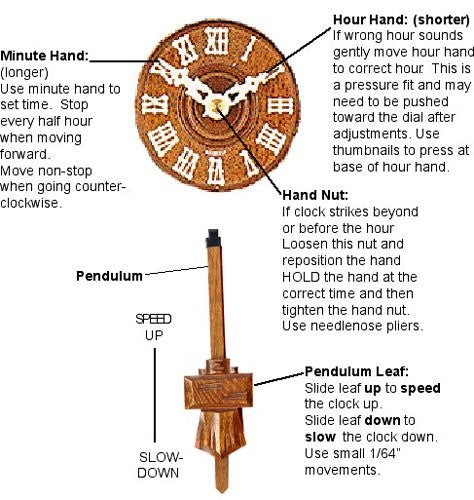
Hands not pointing correctly can confuse the time. Loose or bent hands cause misalignment. Tighten the hands gently or reposition them to the correct time. Avoid forcing the hands as this may damage the clock’s movement.
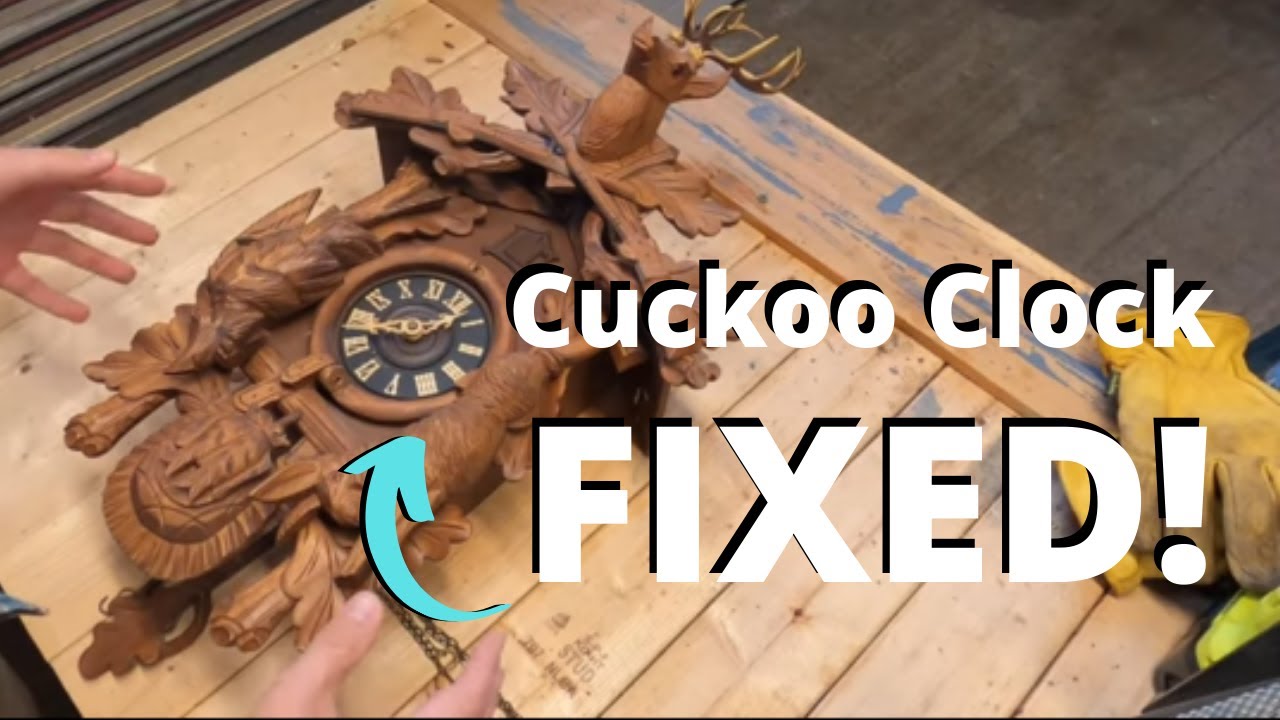
Credit: www.youtube.com
Quick Pendulum Fixes
Quick pendulum fixes can help your cuckoo clock run smoothly again. The pendulum controls the clock’s timing and motion. Small adjustments often solve common problems fast. These fixes do not require special tools or skills. Try these simple steps to keep your clock ticking accurately.
Adjusting The Pendulum Bob
The pendulum bob is the weight at the bottom of the pendulum. Moving it up makes the clock run faster. Moving it down slows the clock. To adjust, gently slide the bob up or down the rod. Check the clock’s time after a few hours. Repeat the adjustment until the time is correct.
Ensuring Proper Suspension Spring
The suspension spring holds the pendulum and lets it swing freely. A bent or damaged spring can stop the pendulum. Check the spring for any kinks or breaks. Replace it if it looks weak or worn. A strong suspension spring keeps the pendulum moving smoothly and keeps the clock on time.
Removing Pendulum Interference
Sometimes the pendulum hits the clock case or other parts. This stops it from swinging properly. Look inside the clock for anything blocking the pendulum’s path. Clear away dust, debris, or loose parts. Make sure the pendulum swings without touching anything. This quick fix helps the pendulum keep moving without interruptions.
Adjusting Clock Timing
Adjusting the timing of your cuckoo clock is essential for accurate timekeeping. Small changes can make a big difference in how well your clock runs. This section explains simple steps to fine-tune the clock’s timing. Follow these tips to keep your cuckoo clock running smoothly and on time.
Raising Or Lowering The Pendulum Leaf
The pendulum leaf controls how fast or slow the clock runs. Raise the pendulum leaf slightly to make the clock run faster. Lower it a bit to slow the clock down. Make small adjustments and check the time for a few hours. Repeat until the timing feels right.
Recalibrating The Beat
The beat is the steady tick-tock rhythm of the clock. If the tick and tock sound uneven, the clock may stop or lose time. Adjust the pendulum’s suspension spring or move the pendulum to balance the beat. A balanced beat keeps the clock running smoothly and accurately.
Checking Weight Drop Strength
The weights power the clock’s movement. Make sure the weights drop smoothly without sticking. If the weights drop too slowly or get stuck, the clock may stop or run slow. Adjust the chains or cables to ensure the weights fall evenly. Proper weight drop strength is key to good timing.
Cuckoo Mechanism Repairs
Repairing the cuckoo mechanism keeps your clock running smoothly and sounding right. Small parts inside can wear down or get stuck over time. These problems stop the bird from popping out or the clock from chiming properly.
Simple fixes often solve common issues. Careful inspection and gentle adjustments restore the cuckoo’s charm. Regular checks help avoid bigger repairs later.
Inspecting The Bird’s Tail Lift Wire
The tail lift wire moves the cuckoo bird in and out. Check if it bends or catches on anything. A bent wire blocks the bird’s motion. Straighten it carefully with pliers. Make sure it lifts smoothly without rubbing against other parts.
Fixing Snagged Leader Rods
Leader rods connect gears to the cuckoo bird and bellows. Dirt or misalignment can snag these rods. Clean them gently with a soft cloth. Adjust their position so they move freely. Avoid forcing rods; that can cause damage.
Resetting The Silent Switch
The silent switch stops the cuckoo sound when needed. Sometimes it gets stuck or misaligned. Slide the switch back and forth a few times. Check it clicks into the correct position. This reset often restores normal cuckoo calls.
Chime Troubleshooting
Chime issues are common in cuckoo clocks. They often cause frustration but are usually easy to fix. Understanding how the chime mechanism works helps solve these problems.
The chime depends on precise timing and correct mechanical alignment. Small misalignments or stuck parts can stop the clock from chiming properly. The following tips will help troubleshoot common chime problems.
Fixing One-time Hourly Chimes
Sometimes, the clock chimes only once at every hour. This usually happens when a lever gets stuck. Look for a small black lever at the back of the clock.
If this lever is stuck in the raised position, the clock will not count the hours correctly. Tap the lever gently down to free it. Make sure it moves smoothly without resistance. This simple fix often restores normal chiming.
Correcting Number Of Cuckoo Calls
The clock might cuckoo the wrong number of times. This happens when the star wheel slips or the lifting wire is out of place. The star wheel controls how many cuckoo calls happen for each hour.
Check if the star wheel is turning freely and is not blocked. Make sure the lifting wire lifts the cuckoo bird properly. Adjust the wire if it does not move the bird fully. These steps ensure the cuckoo calls match the hour.
Aligning Star Wheel And Levers
The star wheel and levers must be aligned perfectly for the chime to work. Misalignment can stop the clock from chiming or cause it to chime at wrong times.
Open the back of the clock and observe the star wheel and levers as the clock ticks. The levers should lift and release the star wheel teeth smoothly. If they catch or miss teeth, adjust the lever positions slightly.
Use a small tool to bend the levers gently until they engage correctly. Proper alignment ensures smooth chimes and prevents clock stopping.

Credit: www.youtube.com
Maintenance Tips
Proper maintenance keeps your cuckoo clock running smoothly. Small efforts prevent common issues and extend its life. Focus on cleaning, oiling, and inspecting parts regularly. These simple steps ensure reliable timekeeping and clear chimes.
Cleaning And Oiling Gears
Dust and dirt cause gears to stick or slow down. Clean gears gently with a soft brush or cloth. Avoid harsh chemicals that can damage delicate parts. After cleaning, apply a thin layer of oil to reduce friction. This keeps gears moving freely and prevents wear.
Using Synthetic Clock Oil
Use only synthetic clock oil designed for cuckoo clocks. Regular oils can gum up and harm the mechanism. Synthetic oil stays thin and lasts longer. Apply sparingly to avoid attracting dust. Proper lubrication helps the clock run quietly and accurately.
Regular Inspection For Wear
Check moving parts often for signs of wear or damage. Look at gears, chains, and the pendulum suspension spring. Replace worn parts early to avoid bigger problems. Regular inspection catches issues before they stop the clock. Keep your cuckoo clock in top condition by staying alert.
Leveling And Placement
Proper leveling and placement are crucial for your cuckoo clock’s smooth operation. An unlevel clock can cause the pendulum to stop or the clock to run slow. Placement in the right spot also prevents damage and keeps the clock working longer. Follow these tips to ensure your clock hangs and runs correctly.
Hanging Clock Plumb And Level
Hang the clock so it is perfectly vertical. Use a small level to check the clock’s position. A clock that leans forward or backward will not keep time well. Adjust the hook or nail until the clock is plumb. This helps the pendulum swing evenly and the cuckoo call sound clear.
Avoiding Breezes And Vibrations
Place the clock away from windows or fans that create drafts. Breezes can stop the pendulum or disturb the clock’s timing. Also, avoid walls near heavy foot traffic or appliances that cause vibrations. These vibrations can make the cuckoo mechanism skip or stop working. A calm spot helps the clock run smoothly.
Choosing A Stable Wall Location
Select a strong, steady wall to hang your cuckoo clock. Drywall alone may not support the clock’s weight well. Use a stud or a solid wood panel. A sturdy wall prevents the clock from shifting or falling. This keeps the clock safe and ensures steady operation.
When To Seek Professional Help
Knowing when to seek professional help for your cuckoo clock saves time and prevents damage. Some problems are simple and can be fixed at home. Others require expert skills and tools. Understanding the limits of DIY repairs helps keep your clock in good shape. Below are key signs that call for professional attention.
Complex Mechanical Repairs
Cuckoo clocks have many delicate parts inside. The gears, levers, and bellows work together to tell time and make sounds. If your clock stops working or runs incorrectly, the cause might be deep inside. Complex repairs need special tools and knowledge. Trying to fix these can cause more harm than good. A trained clockmaker knows how to handle these intricate mechanisms safely.
Cost Expectations For Repairs
Repair costs vary based on the problem’s difficulty and clock’s age. Simple fixes like cleaning or oiling are usually affordable. Major repairs or part replacements cost more. Expect to pay more for antique or rare clocks because parts are harder to find. Knowing the repair cost upfront helps avoid surprises. Most clockmakers provide an estimate before starting work.
Finding A Reliable Clockmaker
Choosing the right clockmaker ensures your cuckoo clock gets proper care. Look for someone with experience in cuckoo clocks. Check reviews and ask for references if possible. A good clockmaker explains the repair process clearly. They use proper tools and genuine parts. Trustworthy professionals also offer warranties on their work. This gives peace of mind that your clock is in safe hands.
Frequently Asked Questions
What Are The Common Problems With Cuckoo Clocks?
Common cuckoo clock problems include stuck chains, out-of-beat timing, rubbing leader rods, breeze interference, and silent switch issues. Pendulum misalignment, dirt buildup, weak weight drops, and suspension spring faults also cause malfunctions. Regular cleaning, oiling, and careful adjustments fix most issues quickly.
Why Won’t The Pendulum Keep Going On My Cuckoo Clock?
The pendulum may stop due to incorrect beat, dirt, lack of oil, or interference. Check the suspension spring and weights.
What Is The Average Cost To Repair A Cuckoo Clock?
The average cost to repair a cuckoo clock ranges from $180 to $450. Prices vary by clock age and issue complexity.
How Do I Get My Cuckoo Clock Working Again?
Check the pendulum position and adjust it slightly upward. Clean and oil the gears with synthetic oil. Ensure chains and weights move freely. Verify the cuckoo lever isn’t stuck. Restart the clock by gently swinging the pendulum.
What Are The Most Common Cuckoo Clock Problems?
Common issues include the clock running slow or fast, the cuckoo not chiming, and the pendulum stopping. Chains or weights may also get stuck. Regular cleaning and proper setup help avoid these problems.
Conclusion
Cuckoo clock problems can be simple to fix with patience. Check the pendulum position and oil the gears regularly. Listen for unusual sounds or stuck parts. Small adjustments often bring your clock back to life. Keep it clean and handle it gently.
With care, your cuckoo clock will keep charming time for years. Don’t ignore small issues—they can become bigger. Enjoy the soothing cuckoo calls without worry.