
Is PEX Safe for Drinking Water? When it comes to your home’s plumbing, safety is the top priority—especially for the water you and your family drink every day.
You may have heard about PEX pipes as a popular alternative to traditional copper or PVC piping. But is PEX really safe for drinking water? Could it affect the taste or quality of your water? And what about chemicals or contaminants?
If you’re wondering whether PEX piping is a smart choice for your drinking water system, this article is made for you. We’ll break down what PEX is, how it compares to other materials, and the important certifications to look for. You’ll also learn practical tips to make sure your water stays clean and safe. Keep reading to discover everything you need to know about PEX and your drinking water—so you can feel confident about the pipes behind your walls and the water flowing from your tap.

Safety Of Pex For Drinking Water
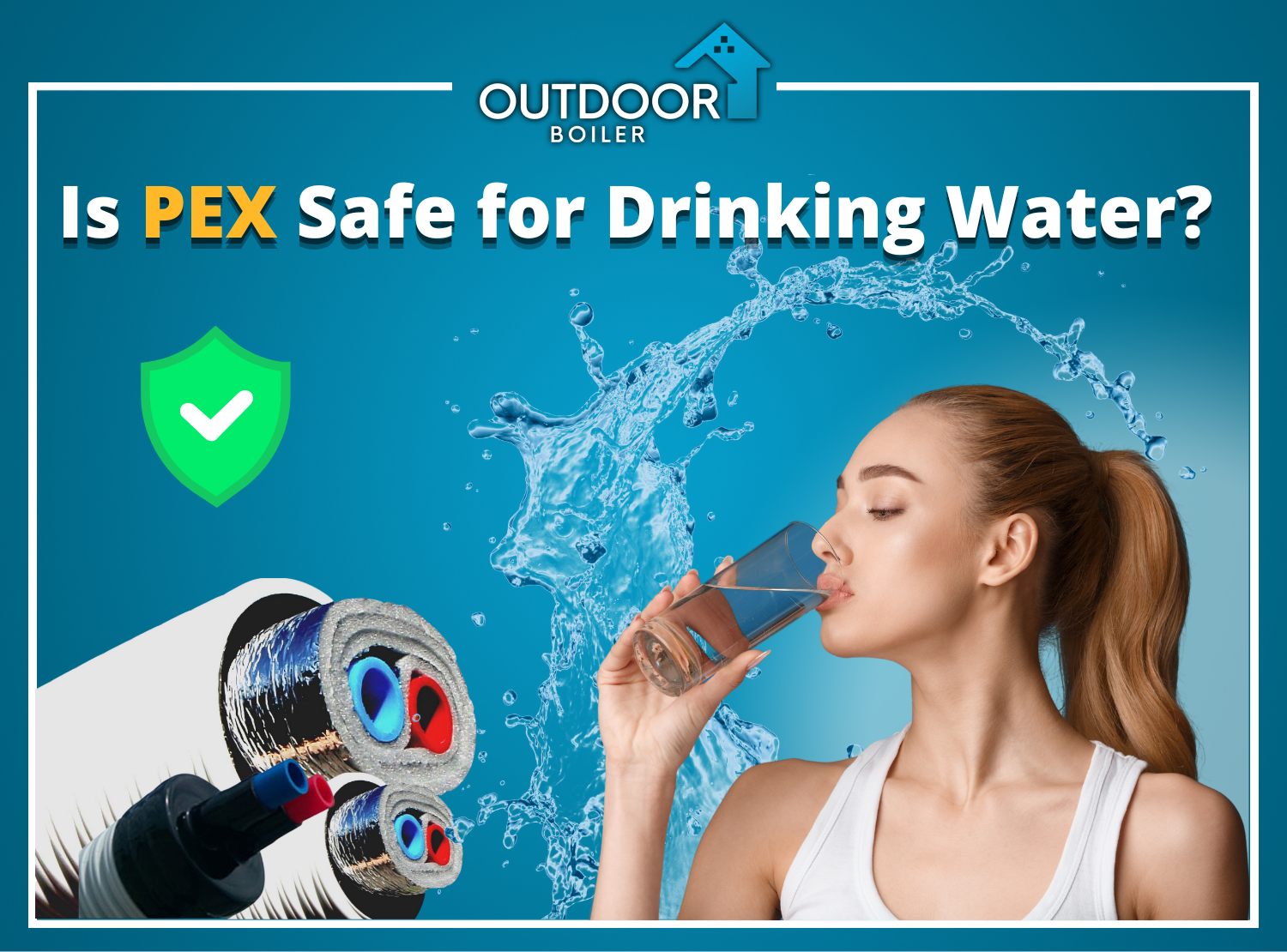
PEX, or cross-linked polyethylene, is a popular plumbing material. It is widely used in homes for drinking water lines. Many people wonder if PEX is safe for their water supply. Understanding its safety is important for health and peace of mind.
PEX pipes are flexible and resistant to corrosion. They do not rust like metal pipes. This helps keep water clean and fresh. The material is BPA-free and meets strict safety codes.
Chemical Leaching Concerns
Some studies show PEX pipes can release small amounts of chemicals. These include volatile organic compounds (VOCs) and antioxidants. The levels tend to be very low and decrease over time. New pipes may release more chemicals at first.
Water testing often finds these chemicals well below harmful limits. The plastic does not contain harmful additives like BPA. Overall, chemical leaching is minimal and considered safe for drinking water.
Health Risk Studies
Researchers have studied health risks linked to PEX pipes. Results show no significant health effects from normal use. Regulatory agencies have approved PEX for drinking water systems. It meets NSF/ANSI Standard 61 for health effects.
Long-term studies confirm PEX does not release harmful toxins. It remains stable under typical household water conditions. This makes it a reliable choice for safe drinking water.
Comparison With Other Pipes
PEX pipes compare well with copper and PVC pipes. Copper can leach metals if water is acidic. PVC may release chemicals if not certified for drinking water. PEX offers good durability and minimal leaching.
Its flexibility helps reduce leaks and joint failures. It resists scale buildup better than metal pipes. PEX is often preferred for modern plumbing systems due to these advantages.
Certifications To Check
Certifications provide proof that PEX pipes meet safety and health standards. These approvals show the pipes are tested for water safety. Always check for key certifications before choosing PEX for drinking water. They ensure the product is free from harmful chemicals and safe to use.
Nsf Certifications
NSF International tests and certifies products for drinking water safety. PEX pipes with NSF certification meet strict standards for chemical leaching and durability. Look for NSF/ANSI 61, which focuses on drinking water system components. This certification means the pipe won’t contaminate your water.
Bpa-free Assurance
BPA is a harmful chemical found in some plastics. PEX pipes used for drinking water must be BPA-free. This assurance guarantees the pipe won’t release BPA into your water. Always check product labels or manufacturer information for BPA-free status.
Code Approvals
Local and national plumbing codes regulate materials for safe water delivery. PEX pipes approved by these codes meet health and safety requirements. Common codes include the International Plumbing Code (IPC) and Uniform Plumbing Code (UPC). Using code-approved PEX pipes ensures compliance and safety in your home.
Types Of Pex Pipes
PEX pipes come in three main types, each with unique features. These types affect flexibility, strength, and installation methods. Understanding these differences helps choose the right pipe for drinking water.
Pex-a Features
PEX-A pipes use the Engel method to cross-link polyethylene. This process makes the pipe very flexible and resistant to kinking. PEX-A can easily return to its original shape after bending. It offers excellent freeze resistance and durability. This type is ideal for tight spaces and complex plumbing layouts.
Pex-b Benefits
PEX-B pipes are made through a silane method. They are less flexible than PEX-A but have higher chlorine resistance. PEX-B is more affordable and widely used in plumbing systems. It provides good strength and long-term performance. Many builders prefer PEX-B for its balance of cost and quality.
Pex-c Characteristics
PEX-C pipes use electron beam cross-linking. They are the least flexible among the three types. PEX-C is strong but more prone to kinks during installation. It can handle high temperatures and pressures well. This type is less common but still suitable for many water supply needs.
Durability And Longevity
Durability and longevity are key factors when choosing pipes for drinking water. PEX pipes are known for their strong resistance to wear and tear. They last long without cracking or leaking. Understanding how PEX handles different challenges helps explain why it is a preferred choice in many homes.
Resistance To Chlorine
Chlorine is common in water treatment. It can damage some pipe materials over time. PEX pipes resist chlorine well, preventing early degradation. This resistance helps maintain pipe integrity and water quality. It lowers the risk of cracks or leaks caused by chlorine exposure.
Temperature And Pressure Effects
Water pipes face stress from heat and pressure changes. PEX pipes handle hot and cold water without losing strength. They stay flexible and do not become brittle. PEX can work under high pressure, reducing chances of bursting or damage. This makes it reliable for various water systems.
Freeze Expansion Capabilities
Freezing water can burst many types of pipes. PEX pipes expand slightly when water freezes inside. This ability lowers the risk of pipe bursts in cold weather. It offers better protection compared to rigid pipes like copper or PVC. Homeowners in colder areas benefit from PEX’s freeze resistance.
Installation Best Practices
Proper installation is key to ensuring PEX piping remains safe for drinking water. Poor installation can lead to leaks, contamination, and reduced pipe lifespan. Following best practices helps maintain water quality and system reliability. Focus on using the right materials and techniques to protect your drinking water system.
Certified Fittings And Joints
Use only fittings and joints certified for potable water. Certified components meet strict safety standards and prevent harmful substances from leaching into water. Avoid mixing different brands or unapproved parts. Properly sealed connections reduce the risk of leaks and contamination. Tighten fittings according to manufacturer guidelines to ensure a secure fit.
Flushing New Systems
Flush new PEX systems before use to remove debris and manufacturing residues. Run water through pipes for several minutes until it runs clear. This step helps eliminate any particles or chemicals that might affect water taste or safety. Flushing also checks for leaks and confirms proper flow throughout the system.
Avoiding Contamination Risks
Keep PEX pipes away from sources of contamination. Store pipes in clean, dry areas before installation to prevent dirt and chemicals from entering. Use protective sleeves or barriers if pipes run near electrical wiring or chemicals. Always handle pipes with clean hands or gloves. Regularly inspect installed pipes for damage or wear that could expose water to contaminants.
Environmental And Health Considerations
Choosing the right material for drinking water pipes involves understanding both environmental and health factors. PEX, or cross-linked polyethylene, is popular in plumbing. It offers flexibility and resistance to corrosion. Still, questions remain about its impact on water quality and human health.
This section explores key concerns related to PEX pipes: microplastics, volatile organic compounds, and long-term exposure effects. Each plays a role in evaluating PEX’s safety for drinking water.
Microplastics In Water
Microplastics are tiny plastic particles that may enter water through pipe materials. Studies show PEX pipes can release small amounts of microplastics, especially when new. These particles can affect water clarity and potentially enter the human body. The amount released is generally low and decreases over time as the pipe ages.
Volatile Organic Compounds
Volatile organic compounds (VOCs) are chemicals that can evaporate into the air or dissolve in water. PEX pipes may leach small amounts of VOCs, such as antioxidants and toluene, into drinking water. These compounds usually appear at the start of use and reduce with flushing. Regulatory agencies set limits to ensure these levels stay safe for consumers.
Long-term Exposure Effects
Long-term exposure to chemicals from plumbing materials raises health concerns. Research on PEX shows no significant harmful effects when used properly and following standards. The pipes meet strict testing for chemical leaching and durability. Regular water testing and proper installation help minimize any risks associated with prolonged use.
Insurance And Regulatory Factors
Understanding insurance and regulatory factors is important when choosing PEX for drinking water. These factors affect the installation, acceptance, and long-term use of PEX plumbing. They also influence safety, compliance, and warranty coverage.
Insurance companies, local plumbing codes, and warranties all play a role in determining if PEX is a suitable choice. Each has specific views and rules that impact homeowners and contractors.
Insurance Company Views
Many insurance companies approve PEX for water supply lines. They recognize its flexibility and resistance to corrosion. Some insurers require certified installation by licensed plumbers. This ensures the system meets safety standards. Insurers may inspect plumbing before approving coverage. Problems with unapproved materials can lead to denied claims.
Local Plumbing Codes
Local codes set strict rules for plumbing materials. PEX is approved in most U.S. states and cities. Codes specify where and how PEX can be used. Some areas restrict PEX in outdoor or exposed locations. Inspectors check installations for code compliance. Following codes ensures safe drinking water and avoids fines.
Warranty Implications
Manufacturers back PEX with warranties covering defects and leaks. Warranties may require professional installation and code compliance. Using non-approved fittings or methods can void coverage. Homeowners should keep installation records and receipts. Proper care extends the life of PEX plumbing. Warranty claims protect your investment in safe water supply.
Pex Vs Copper Pipes
Choosing between PEX and copper pipes often raises questions about safety and performance. Both materials serve well for drinking water systems. Each has unique features that affect durability, cost, and installation. Understanding these differences helps homeowners make informed decisions.
Corrosion And Leaching
Copper pipes can corrode over time, especially with acidic water. This corrosion may release copper into drinking water. High copper levels can cause a metallic taste and health concerns. PEX pipes do not corrode. They resist chemicals and won’t rust. Some studies show new PEX pipes might leach small amounts of chemicals. These chemicals usually decrease after initial use. Regulatory bodies approve PEX for safe drinking water use.
Cost Comparison
PEX pipes generally cost less than copper pipes. Copper prices fluctuate with the metal market. Installation costs for copper are higher due to skilled labor needs. PEX materials are cheaper and widely available. Lower labor costs reduce overall expenses. Budget-friendly options make PEX attractive for many homeowners.
Installation Ease
PEX pipes are flexible, allowing easy routing through walls and floors. This flexibility speeds up installation and reduces fittings. Copper pipes require soldering or special connectors. Installation takes more time and skill. PEX can be installed with simple tools. This lowers labor costs and time on site. Homeowners often prefer PEX for quicker renovations.
Maintaining Water Quality
Maintaining water quality is essential for safe drinking water in any home. Using PEX pipes is common, but it is important to keep the water clean and pure throughout the system. Proper care and attention help reduce risks of contamination and preserve the safety of your water supply.
Whole-home Filtration Options
Installing a whole-home filtration system can improve water quality greatly. These systems remove sediments, chlorine, and harmful chemicals before water reaches your taps. Filters like activated carbon, reverse osmosis, or UV systems offer different benefits. Choose one that fits your water source and needs. Clean water protects your family and extends the life of PEX pipes.
Regular System Maintenance
Routine maintenance keeps your water system working well. Check pipes, fittings, and filters regularly for leaks or buildup. Replace filters on schedule to avoid clogging and contamination. Flushing pipes occasionally helps remove stagnant water that may hold impurities. Clean systems prevent bacterial growth and ensure fresh water flows freely.
Monitoring Water Quality
Testing water quality at home can detect problems early. Use simple test kits to measure pH, chlorine, hardness, and contaminants. Notice any changes in taste, smell, or color of water. If issues arise, address them quickly with filtration or professional help. Staying alert protects your health and keeps your PEX pipes safe for drinking water.
Credit: www.plasticpipeconsulting.com
Frequently Asked Questions
Does Pex Leach Plastic Into The Water?
PEX pipes may leach small amounts of volatile organic compounds and microplastics, especially when new. Certified PEX meets strict safety standards and is generally safe for drinking water.
Is Pex Healthy For Drinking Water?
Yes, PEX is safe for drinking water. It meets strict health standards and carries NSF certifications. All three PEX types (A, B, C) are approved for potable water use.
Is Pex Safer Than Copper Drinking Water?
PEX is safe for drinking water and meets strict health standards. It does not leach harmful metals like copper can in acidic water. Certified PEX pipes are BPA-free and widely approved by plumbing codes across the U. S.
Why Do Insurance Companies Not Like Pex Plumbing?
Insurance companies dislike PEX plumbing due to concerns about chemical leaching, potential pipe damage, and uncertain long-term durability.
Is Pex Pipe Safe For Drinking Water Use?
PEX pipes are safe and approved for drinking water by major plumbing codes. They are BPA-free and tested to meet health standards. Many homes use PEX without water safety concerns.
Conclusion
PEX pipes have proven safe for drinking water use. They meet strict health and safety standards. Certified PEX piping undergoes thorough testing to limit chemical leaching. While new pipes may release small amounts initially, these effects fade quickly. Compared to other materials, PEX offers durability and resistance to corrosion.
Always choose certified PEX products to ensure water quality. Regular inspection and maintenance keep your water safe over time. Trusting certified PEX helps protect your household’s drinking water supply.