
When working with electrical panels, you might wonder: what’s the real difference between a neutral bar and a ground bar? You may have heard these terms used interchangeably, but mixing them up can lead to serious safety issues in your home or workplace.
Understanding how each one works—and why they must be kept separate except in specific cases—is crucial for anyone dealing with electrical systems. You’ll discover the key distinctions between neutral bars and ground bars, why they matter for your safety, and how proper wiring protects you and your property from electrical hazards.
Keep reading to make sure your electrical setup is both safe and up to code.

Neutral Bar Basics
The neutral bar is a key part of any electrical panel. It holds all the neutral wires from the circuits. These wires return current back to the power source safely.
Understanding the neutral bar helps to see how electricity flows inside a panel. It also shows how it differs from the ground bar. This knowledge is important for safe electrical work.
Function In Electrical Systems
The neutral bar collects neutral wires from many circuits. It provides a common return path for electrical current. This helps complete the circuit and keeps systems working.
Without the neutral bar, current would have no safe way back to the source. It ensures electricity flows smoothly and correctly through the system.
Current Load Characteristics
The neutral bar carries current only when the circuit is active. It handles the unbalanced current from multiple circuits. The current here can vary depending on the load.
This bar must be sized to handle the total current safely. Overloading the neutral bar can cause overheating and hazards.
Isolation From Panel Chassis
The neutral bar is isolated from the metal panel chassis. This prevents unintended current flow through the panel frame. Isolation is key to preventing electrical shock or damage.
Only the ground bar connects directly to the panel chassis. This separation helps keep the neutral and ground paths distinct and safe.
Ground Bar Essentials
The ground bar is a crucial part of any electrical panel. It acts as a connection point for grounding wires. These wires help keep people safe by directing stray electricity safely into the earth. Understanding the ground bar’s role helps prevent electrical hazards and ensures a properly functioning system.
This section covers the key functions and safety features of the ground bar. Clear knowledge helps in proper installation and maintenance.
Purpose For Safety
The ground bar provides a safe path for electricity to follow during faults. It prevents electric shock by directing harmful currents away from users. Without a ground bar, stray electricity may cause fires or injuries. It protects both people and equipment by stabilizing electrical systems.
Handling Fault Currents
Fault currents occur when wires touch or short circuit. The ground bar carries these currents safely to the earth. This quick action helps trip breakers and stops damage. Handling fault currents properly reduces risk of electrical fires and equipment failure.
Bonding To Panel Enclosure
Bonding connects the ground bar directly to the metal panel enclosure. This makes the entire panel safe by creating a low resistance path. It ensures any stray current flows safely to the ground. Proper bonding prevents shocks and maintains system integrity.
Key Physical Differences
The neutral bar and ground bar serve different roles in electrical panels. Recognizing their physical differences helps ensure proper installation and safety. These bars have distinct features in appearance, mounting, and terminal design. Understanding these differences aids in correct wiring practices and code compliance.
Appearance And Markings
The neutral bar is usually silver or white in color. It often has clear markings such as “Neutral” or “N” printed on it. The ground bar is typically bare copper or green-coated. Markings like “Ground” or “G” identify the ground bar. These labels help electricians quickly spot each bar’s purpose inside the panel.
Mounting Methods
Neutral bars often mount directly to the panel’s metal frame with screws. They may have insulated mounting to isolate the neutral from the panel. Ground bars attach firmly to the panel’s metal enclosure. This direct metal-to-metal contact ensures proper grounding. The mounting style supports their different electrical functions.
Terminal Design
Neutral bars have multiple screw terminals designed to connect neutral wires. These terminals secure the neutral conductor without bonding to the panel frame. Ground bars feature clamp-style or screw terminals for grounding wires. These terminals bond the ground wire directly to the panel’s metal case. The design difference keeps neutral and ground wiring separate.
Neutral Vs Ground Wiring
Neutral and ground wiring are key parts of any electrical system. They look similar but have very different jobs. Understanding their differences helps keep your system safe and working well.
Neutral wires carry current back to the power source. Ground wires provide a safe path for electricity if there is a fault. This distinction is vital for safe wiring practices and code compliance.
Current Flow And Roles
The neutral wire carries current during normal operation. It completes the electrical circuit by returning current to the panel. The ground wire only carries current during a fault or short circuit. It directs unwanted electricity safely to the earth.
Neutral is a current-carrying conductor. Ground acts as a safety path. Mixing these roles can cause dangerous shock hazards or equipment damage.
Separation In Subpanels
In subpanels, neutral and ground bars must remain separate. This prevents neutral current from flowing on grounding wires. Neutral and ground are bonded only at the main service panel.
Separating them in subpanels ensures the grounding system works properly. It stops shock risks and interference in sensitive equipment. Use different bars for neutral and ground wiring in subpanels.
Main Panel Bonding Rules
The main panel is the only place where neutral and ground connect. This bond creates a reference point for the electrical system. It allows fault current to return safely to the source.
Bonding the neutral and ground here prevents voltage buildup on metal parts. The main panel uses a neutral bar and a ground bar, often connected by a bonding strap or screw.
Following these bonding rules is critical for electrical safety and code compliance.
Common Installation Practices
Proper installation of neutral and ground bars is key for electrical safety. These bars serve different roles and must follow specific guidelines. Understanding common installation practices helps prevent electrical faults and hazards. This section covers essential tips for setting up neutral and ground bars correctly.
When To Separate Bars
Neutral and ground bars must be separated beyond the main panel. The main panel is the only place where bonding occurs. In subpanels, keep the neutral and ground bars apart. This prevents neutral current from flowing on grounding paths. Separation ensures the grounding system works as intended to protect people and equipment.
Avoiding Neutral-ground Bonding
Neutral-ground bonding only happens at the first disconnect point. Avoid bonding them in subpanels or downstream panels. Bonding neutral and ground wires elsewhere causes unwanted current on grounding wires. This creates shock hazards and may trip breakers improperly. Always check that the green bonding screw is removed in subpanels.
Use Of Non-conductive Mounts
Mount neutral and ground bars using non-conductive materials. Plastic or nylon mounts prevent accidental electrical connections. This stops current from traveling through the panel frame or enclosure. Non-conductive mounts add extra safety by isolating the bars. Use approved mounts designed for electrical panels only.
Safety Implications
Understanding the safety implications of neutral and ground bars is crucial for any electrical installation. These bars serve different purposes and must be handled carefully to ensure safety. Mixing them or improper wiring can lead to serious risks, including electrical shock and equipment damage.
Risks Of Neutral And Ground Mixing
Neutral and ground wires carry different currents. Neutral carries return current under normal operation. Ground carries current only during faults. Mixing them causes current to flow on grounding paths. This creates shock hazards and risks electric shock. It can also damage sensitive electronics. Proper separation protects people and equipment.
Impact On Fault Current Paths
Ground bars provide a safe path for fault currents. These currents travel back to the source to trip breakers quickly. If neutral and ground are mixed, fault currents may follow unintended paths. This delays breaker operation. It increases fire and shock risks. Clear fault paths ensure fast disconnection and improved safety.
Code Compliance Considerations
Electrical codes require neutral and ground separation beyond the main panel. Bonding only occurs at the first disconnect point. Following code prevents neutral current from flowing on grounding wires. This reduces shock hazards and prevents equipment damage. Inspectors look for proper bar separation to approve installations.
Troubleshooting Tips
Troubleshooting issues between neutral and ground bars requires careful attention. Mistakes can cause electrical faults or safety risks. Follow simple steps to find and fix problems effectively.
Identifying Neutral-ground Issues
Start by inspecting the panel visually. Look for any wires connected to the wrong bar. Neutral wires carry current; ground wires do not. Check if neutral and ground bars are bonded outside the main panel. This is a common error. Use a circuit tester to detect current on the ground bar. Any current flow means a neutral-ground problem exists.
Testing Current Flow
Use a clamp meter around the ground wire to measure current. There should be no current on the ground conductor. Test the neutral wire for proper current flow. Compare readings between neutral and ground bars. If current flows on ground, it indicates neutral current is leaking. This can cause shocks and damage equipment. Isolate circuits to locate the source of leakage. Repeat tests after each change to confirm results.
Correcting Wiring Errors
Disconnect power before making any changes. Separate neutral and ground wires if bonded outside the main panel. Ensure neutral wires connect only to the neutral bar. Attach ground wires only to the ground bar. Tighten all connections firmly. Replace any damaged wires or bars. After fixing, test the system again for current flow. Proper wiring prevents hazards and keeps your electrical system safe.
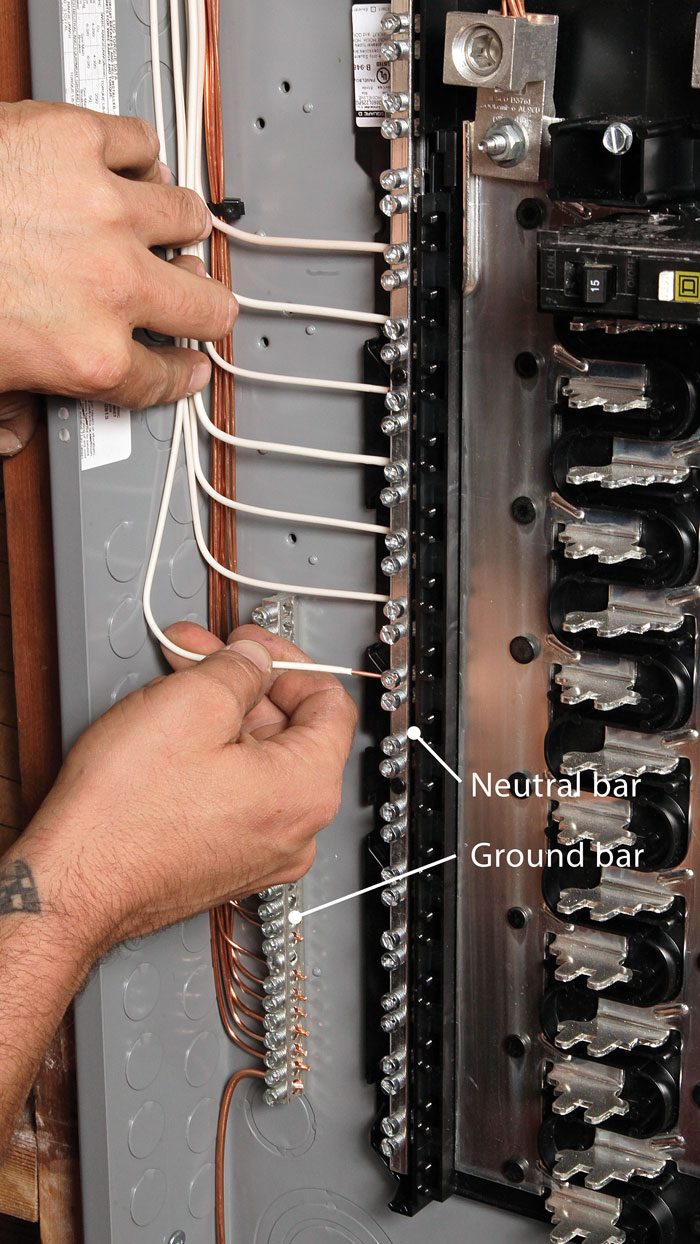
Summary Of Differences
Understanding the differences between a neutral bar and a ground bar is vital for safe electrical work. Each bar has a distinct role in the electrical system. This summary highlights the key differences clearly. It helps electricians and homeowners avoid confusion and potential hazards.
Comparison Table Highlights
| Feature | Neutral Bar | Ground Bar |
|---|---|---|
| Function | Returns current to the power source | Provides a path for fault current |
| Current Carrying | Yes, carries current during normal operation | No, carries current only during faults |
| Connection Point | Bonded to ground at main panel only | Connected to panel chassis and earth ground |
| Wire Color | Typically white or grey | Typically green or bare copper |
| Separation | Separate from ground past main panel | Always separate from neutral except main panel |
Practical Examples
In a home electrical panel, the neutral bar collects white wires. These wires return current to the utility. The ground bar holds green or bare copper wires. These wires protect against electrical faults by connecting metal parts to earth.
In subpanels, neutral and ground bars stay separate. This separation stops neutral current from flowing on grounding wires. It prevents shock hazards and equipment damage. Only the main panel bonds neutral and ground together.
Choosing The Right Bar
Choose the neutral bar for wires carrying return current. Use the ground bar for safety grounding wires. Never mix neutral and ground wires beyond the main panel. Proper separation ensures the electrical system works safely. It reduces the risk of electric shock and fire.

Frequently Asked Questions
Are The Ground Bar And Neutral Bar The Same?
The ground bar and neutral bar are not the same. The neutral bar carries return current, while the ground bar carries fault current for safety.
Do Neutral And Ground Go On The Same Bar?
Neutral and ground bars connect different wires and serve distinct roles. They share the same bar only at the main service panel. In subpanels, neutral and ground must stay separate to avoid shock hazards and ensure proper grounding safety.
Can You Connect A Ground Wire To The Neutral Bar?
Do not connect a ground wire to the neutral bar except at the main service panel. Keep ground and neutral separate to avoid safety hazards.
Can You Bond The Neutral And Gnd On The Same Bar?
Neutral and ground bars must stay separate except at the main service panel. Bonding them on the same bar elsewhere creates safety hazards.
What Is The Main Difference Between Neutral And Ground Bars?
A neutral bar carries return current from electrical devices. A ground bar provides a path for fault current to protect people and equipment.
Conclusion
Neutral and ground bars serve different roles in electrical panels. The neutral bar carries current back to the source. The ground bar provides a safe path for fault currents. They must stay separate except at the main service panel. Mixing them can cause safety risks and electrical problems.
Always follow electrical codes to keep systems safe and efficient. Understanding this difference helps prevent hazards and ensures proper wiring. Proper installation protects both people and equipment. Stay informed for safer electrical work.